
What does support look like when the crowds leave?
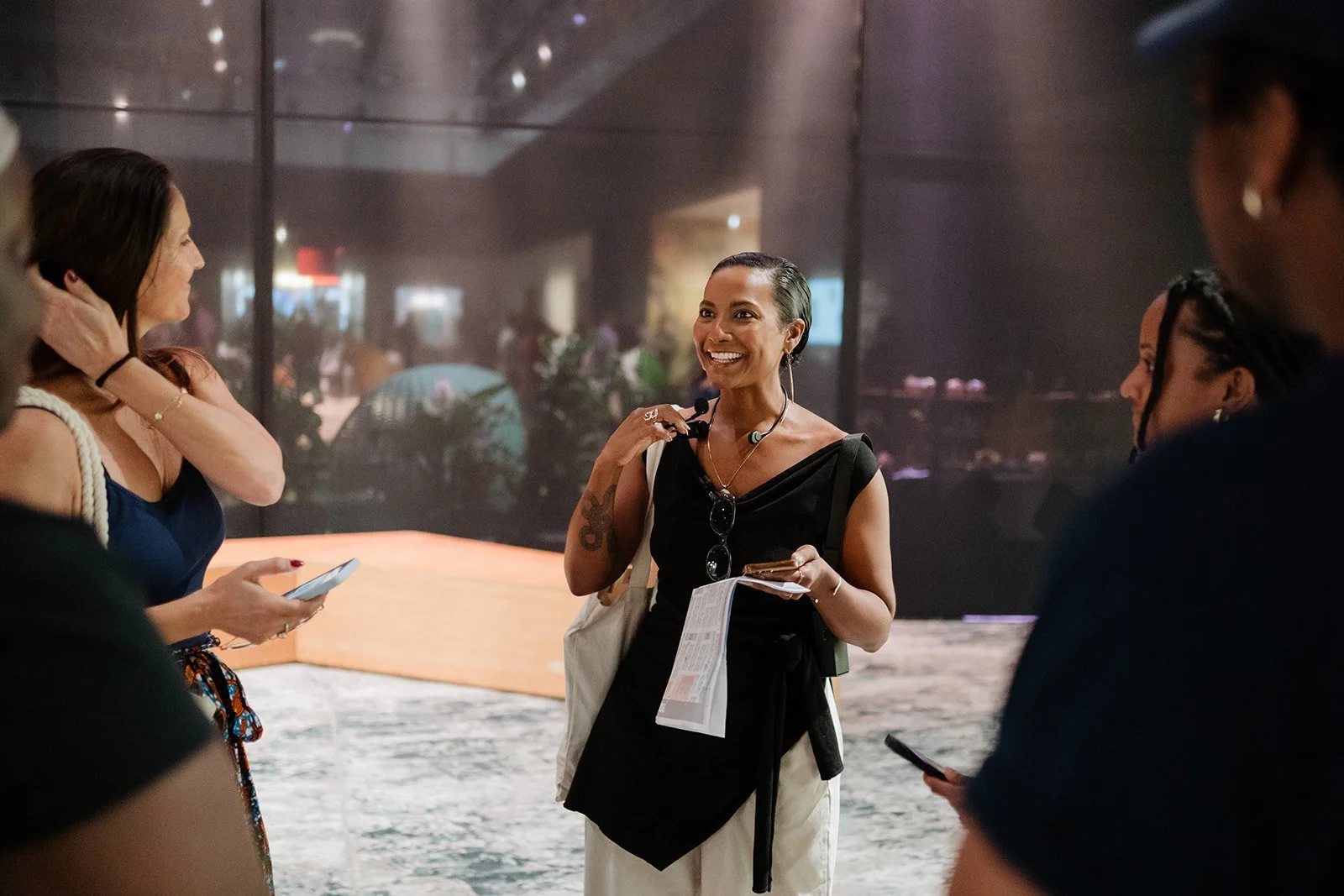
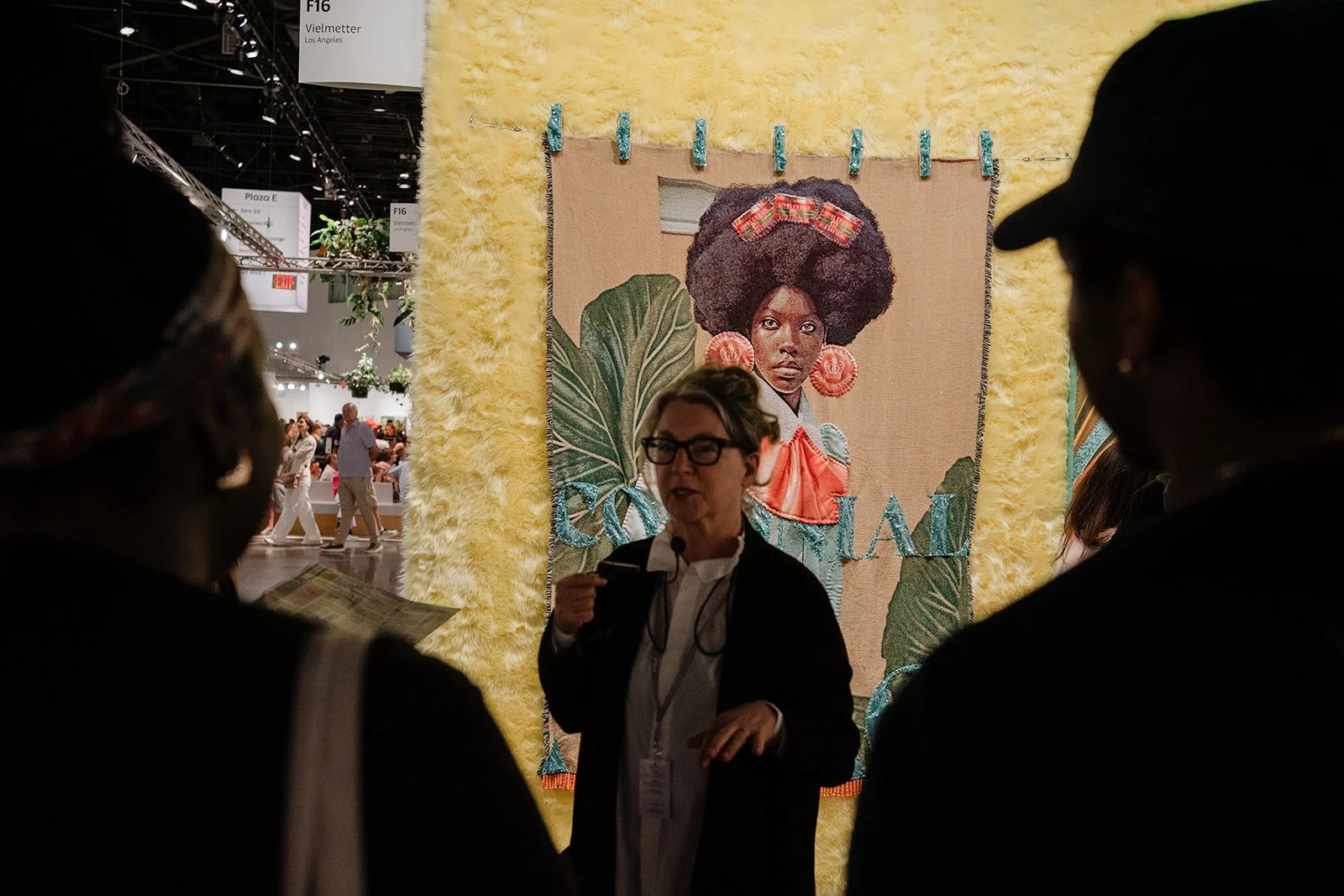
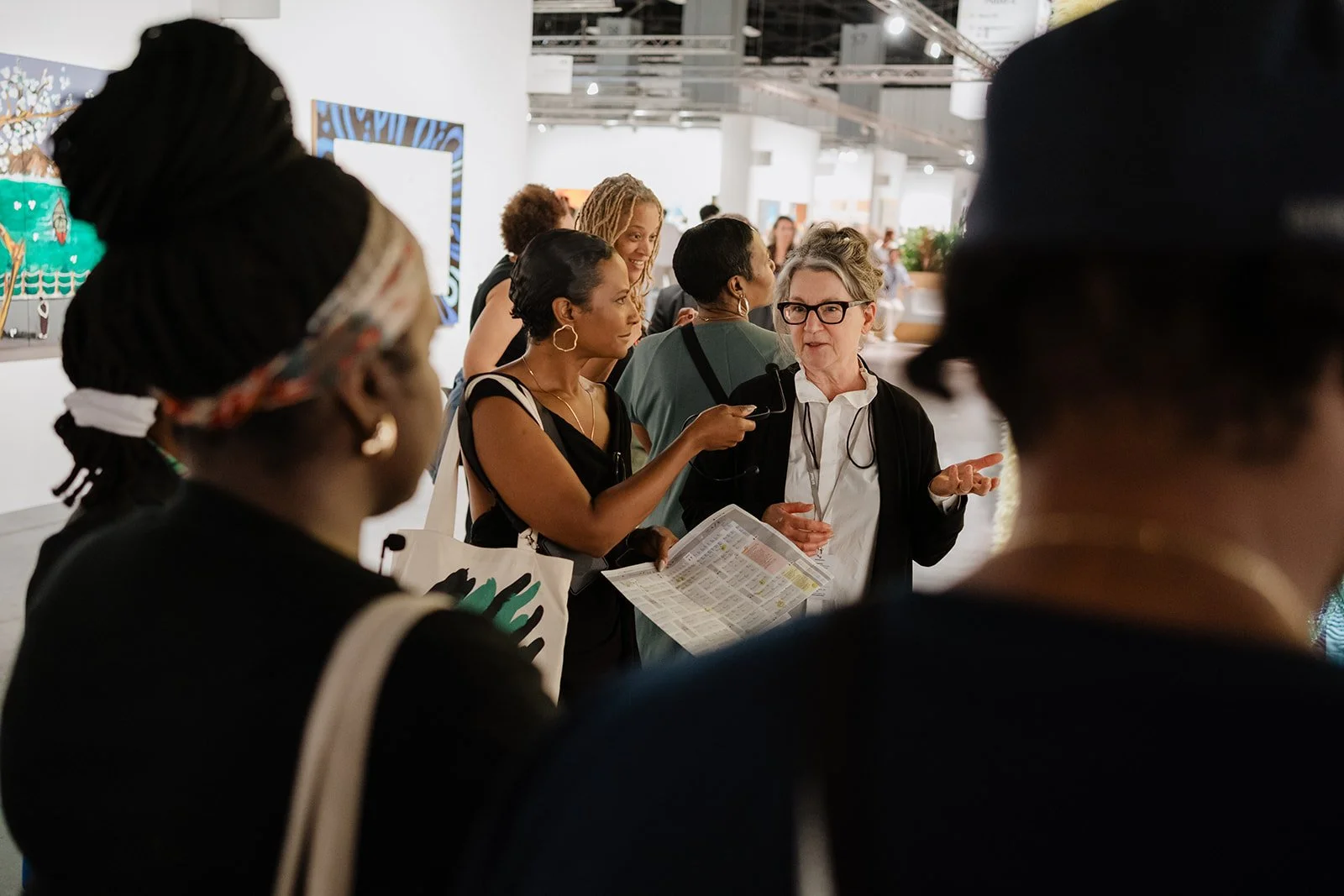
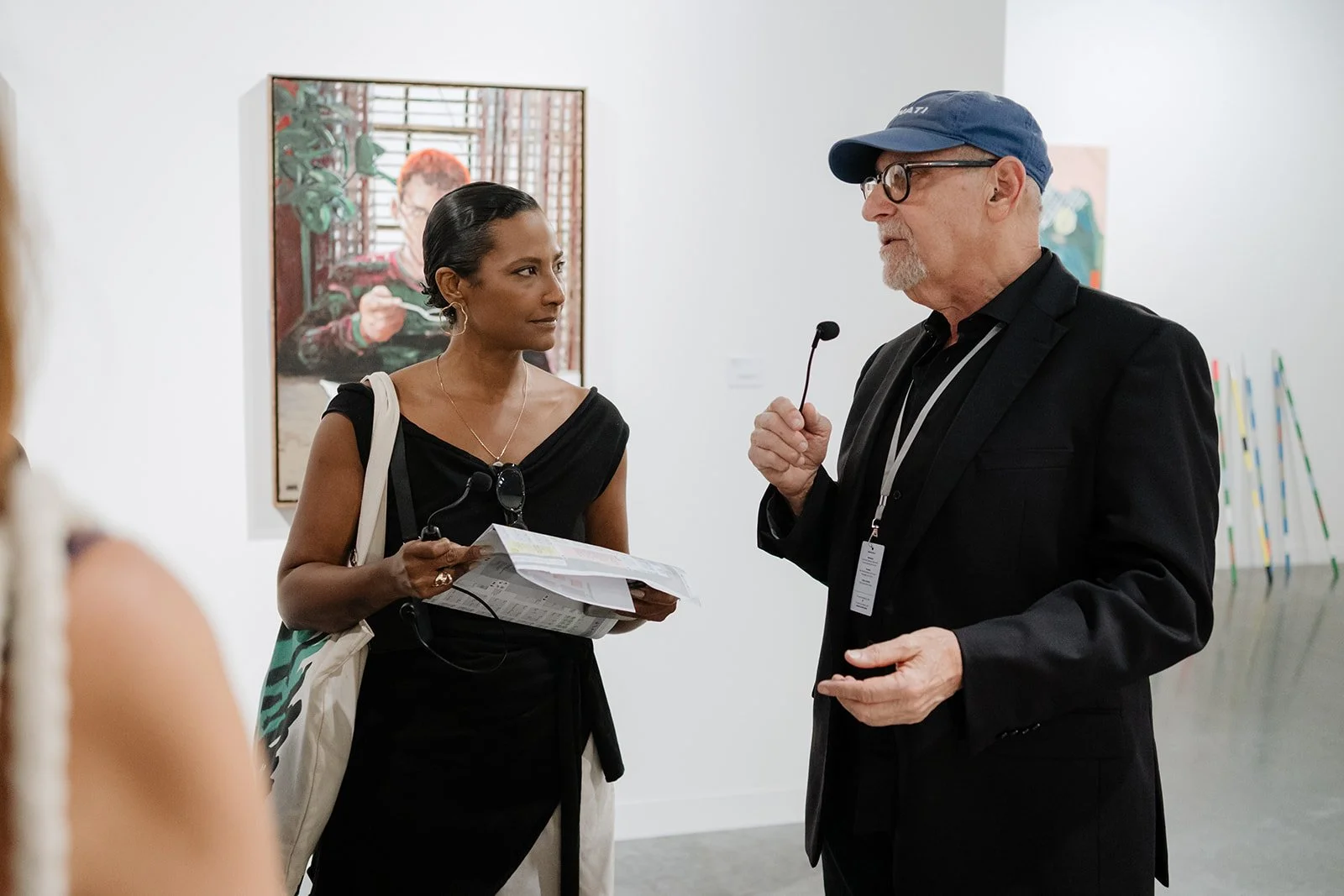
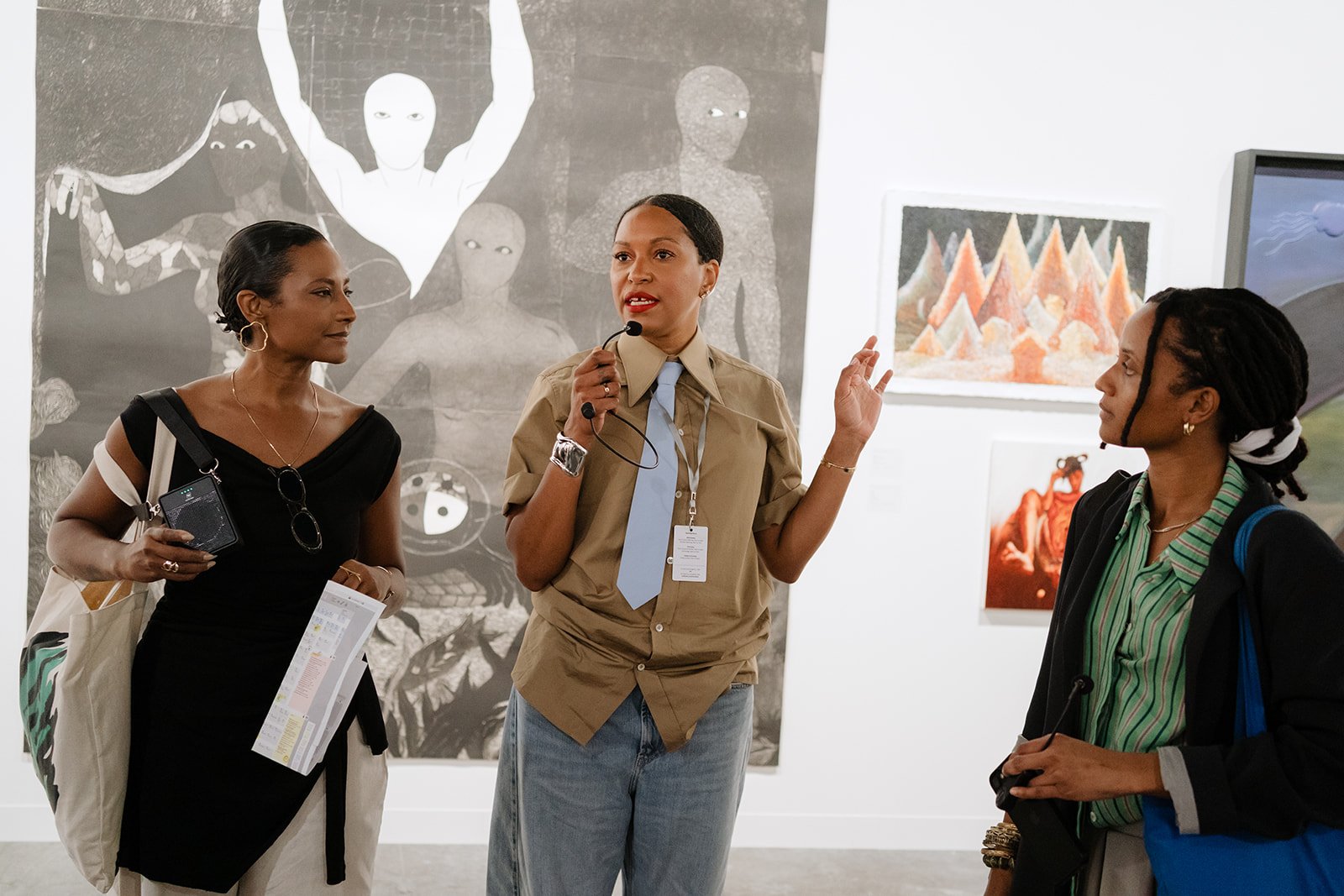
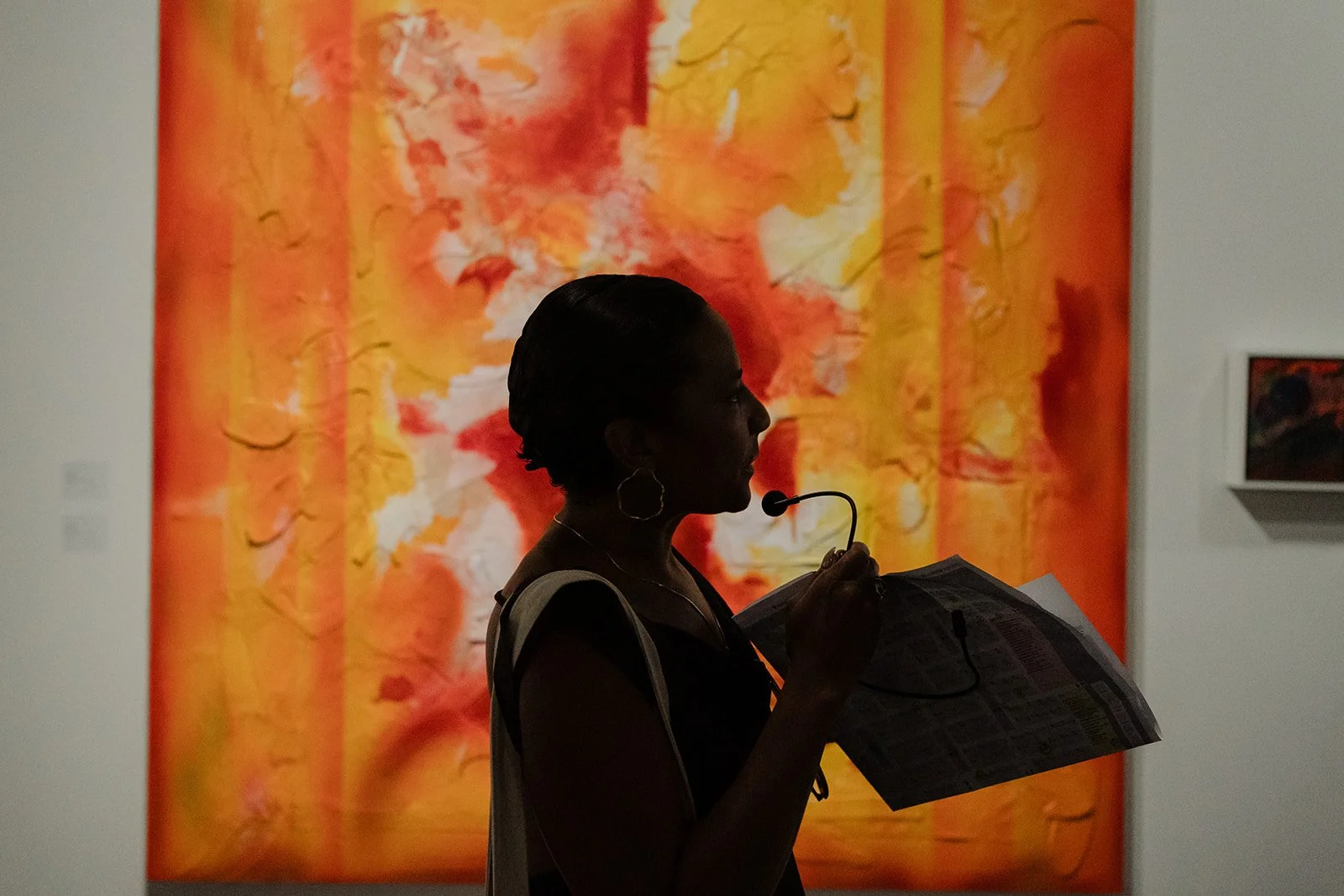
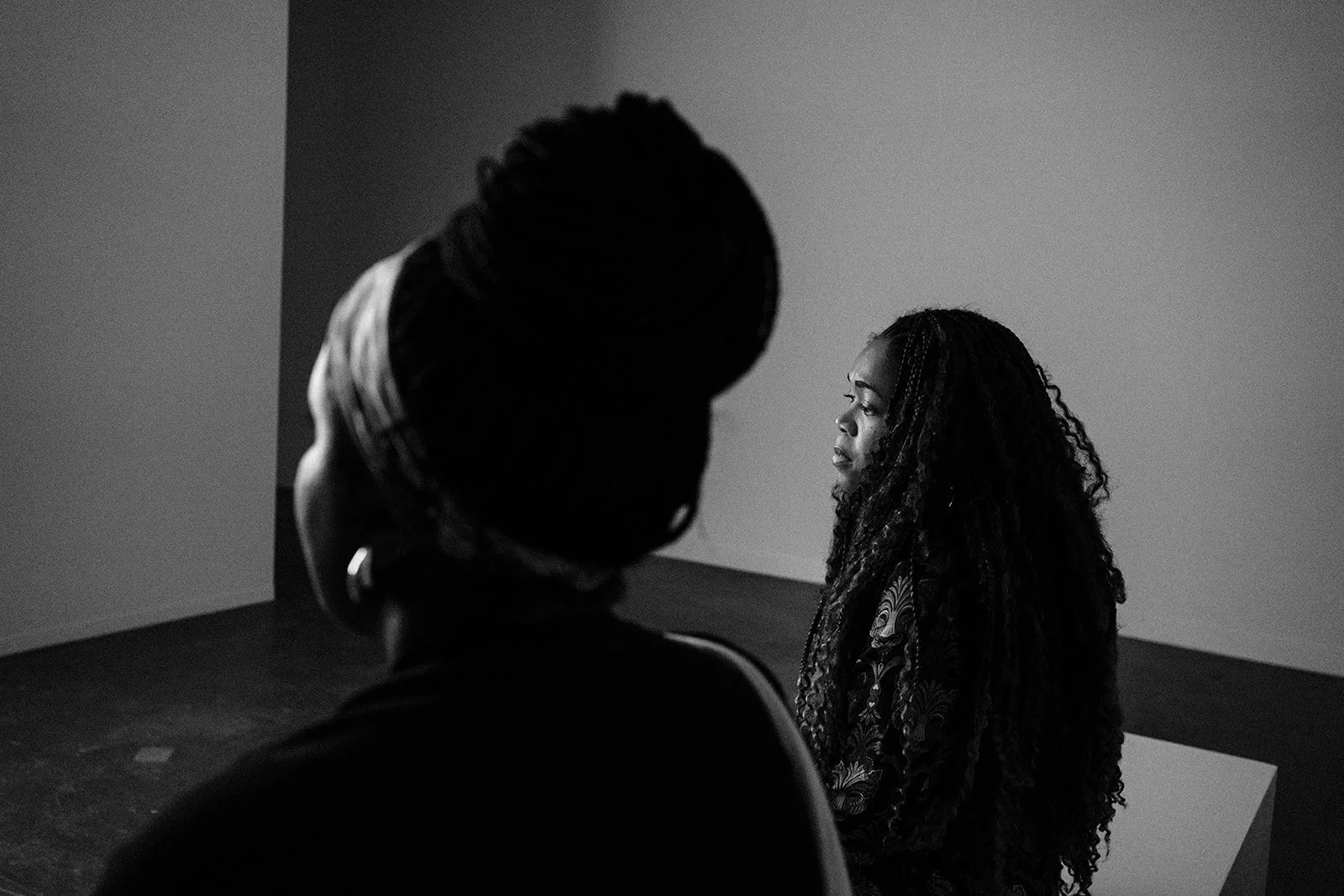
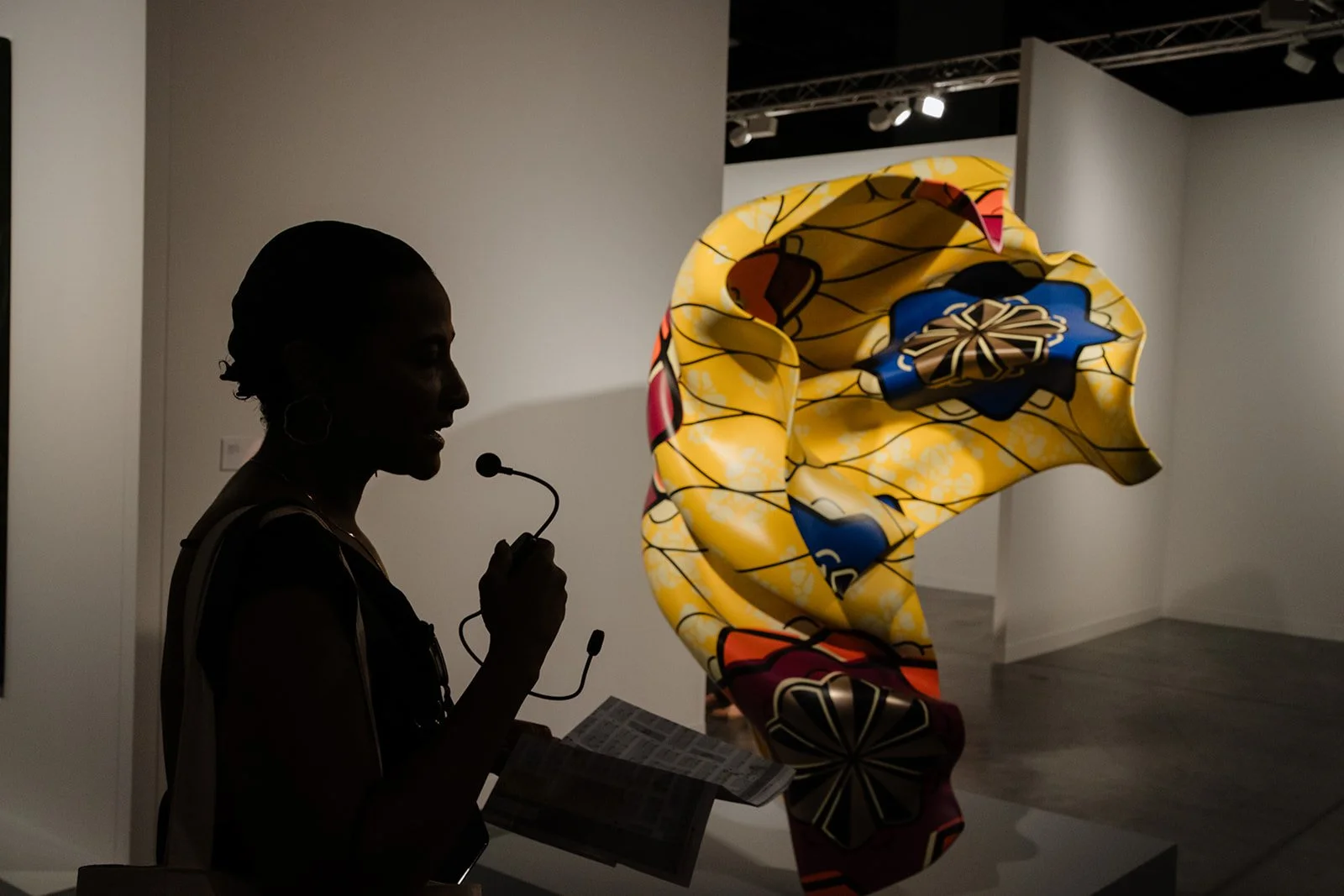
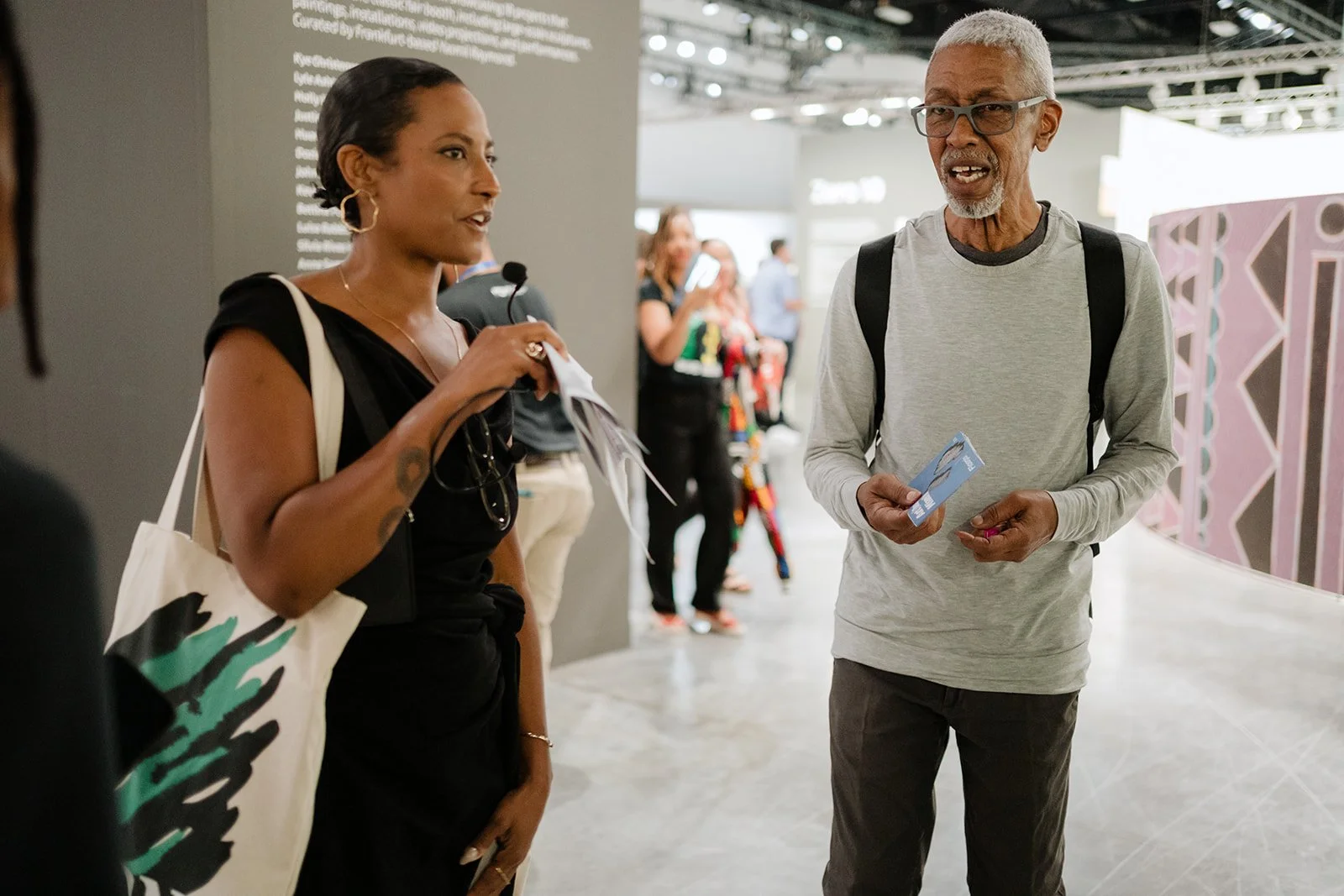
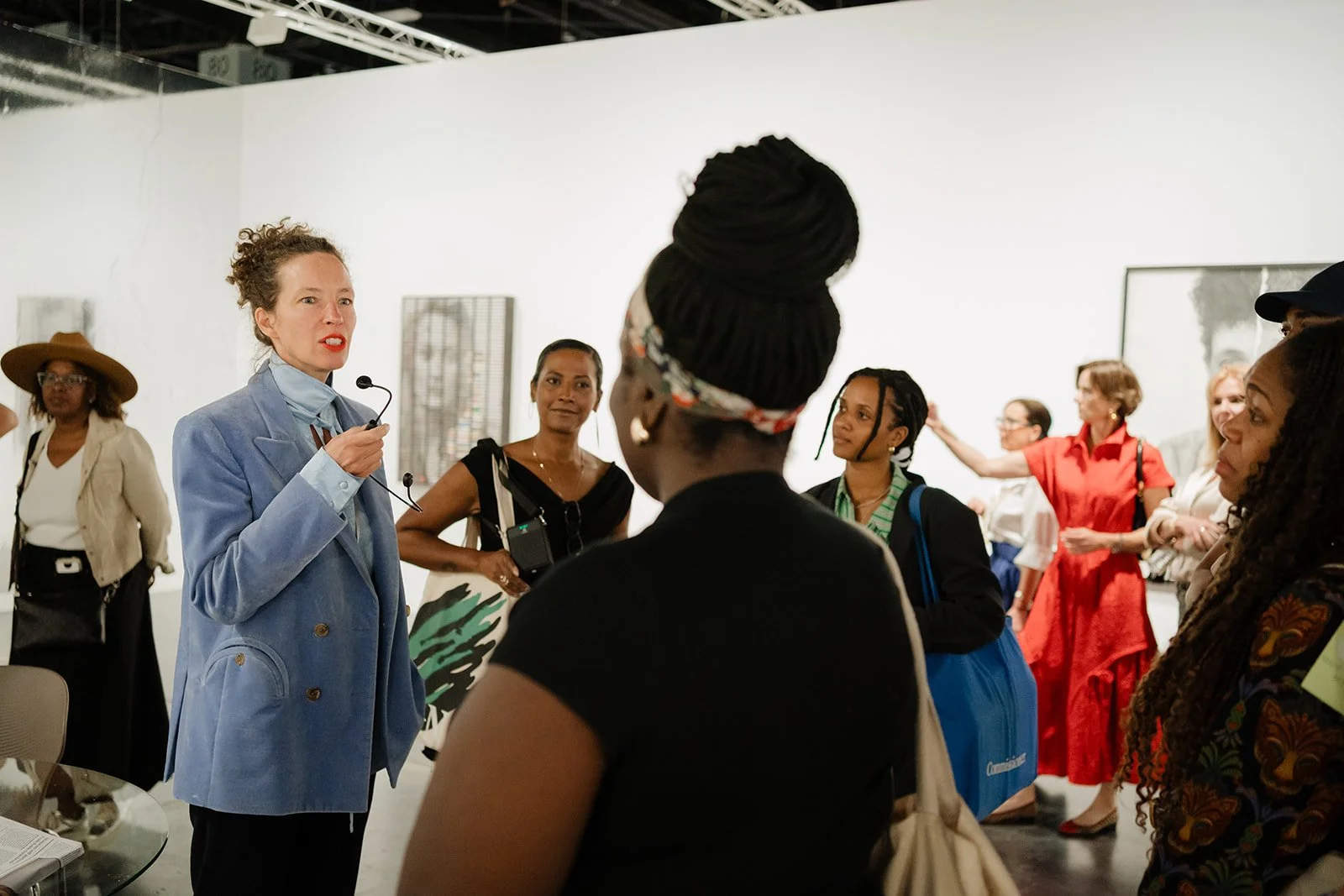
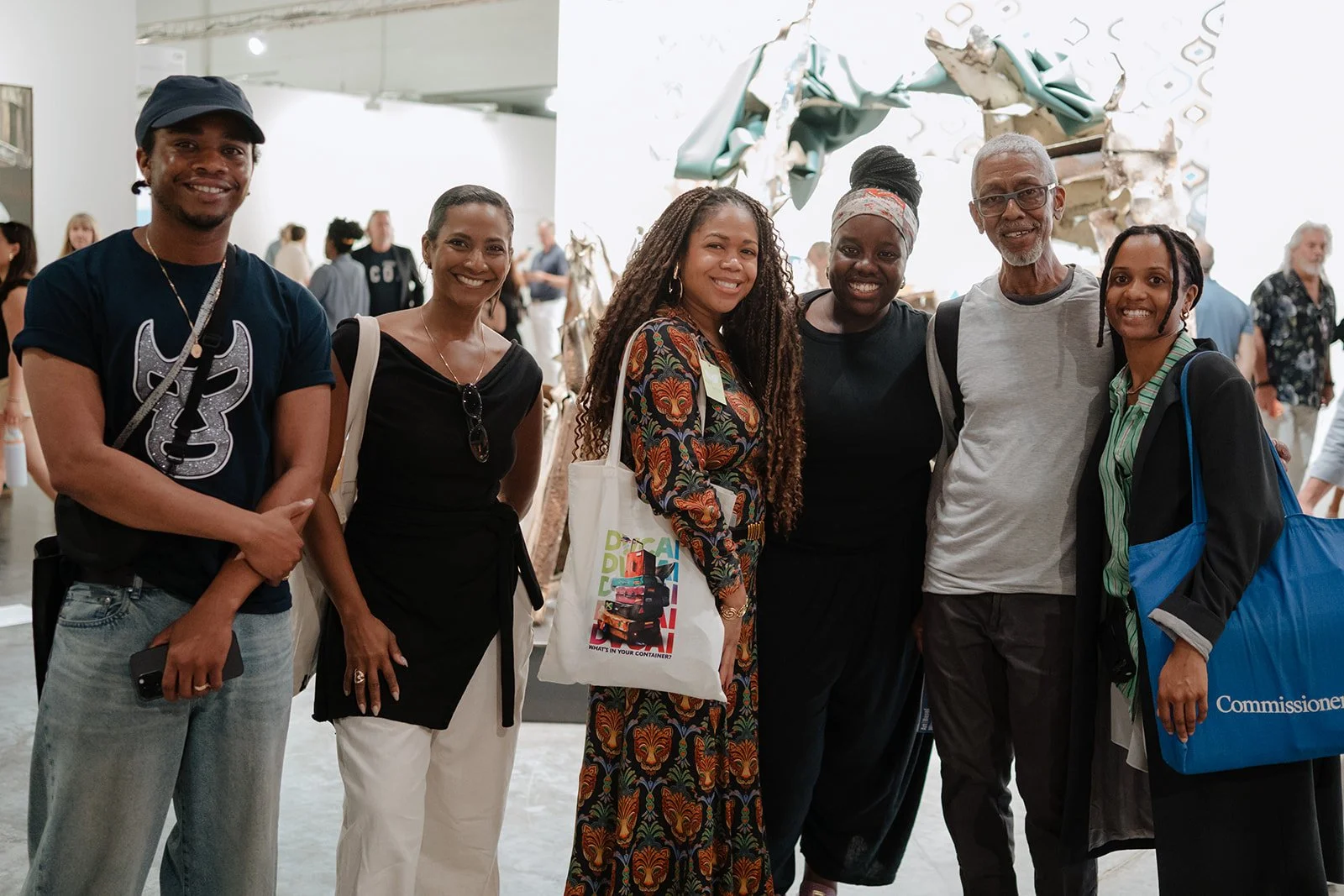
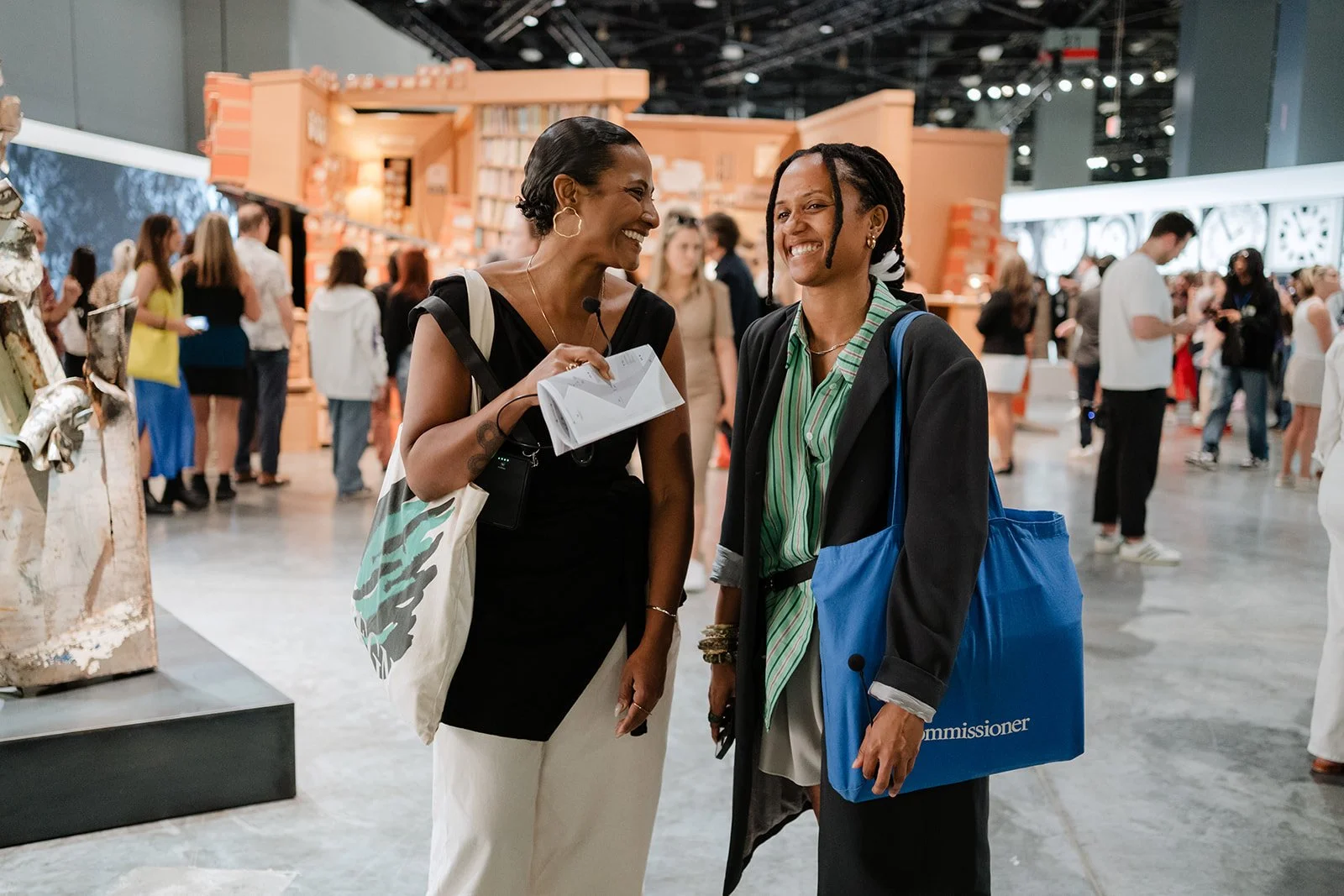
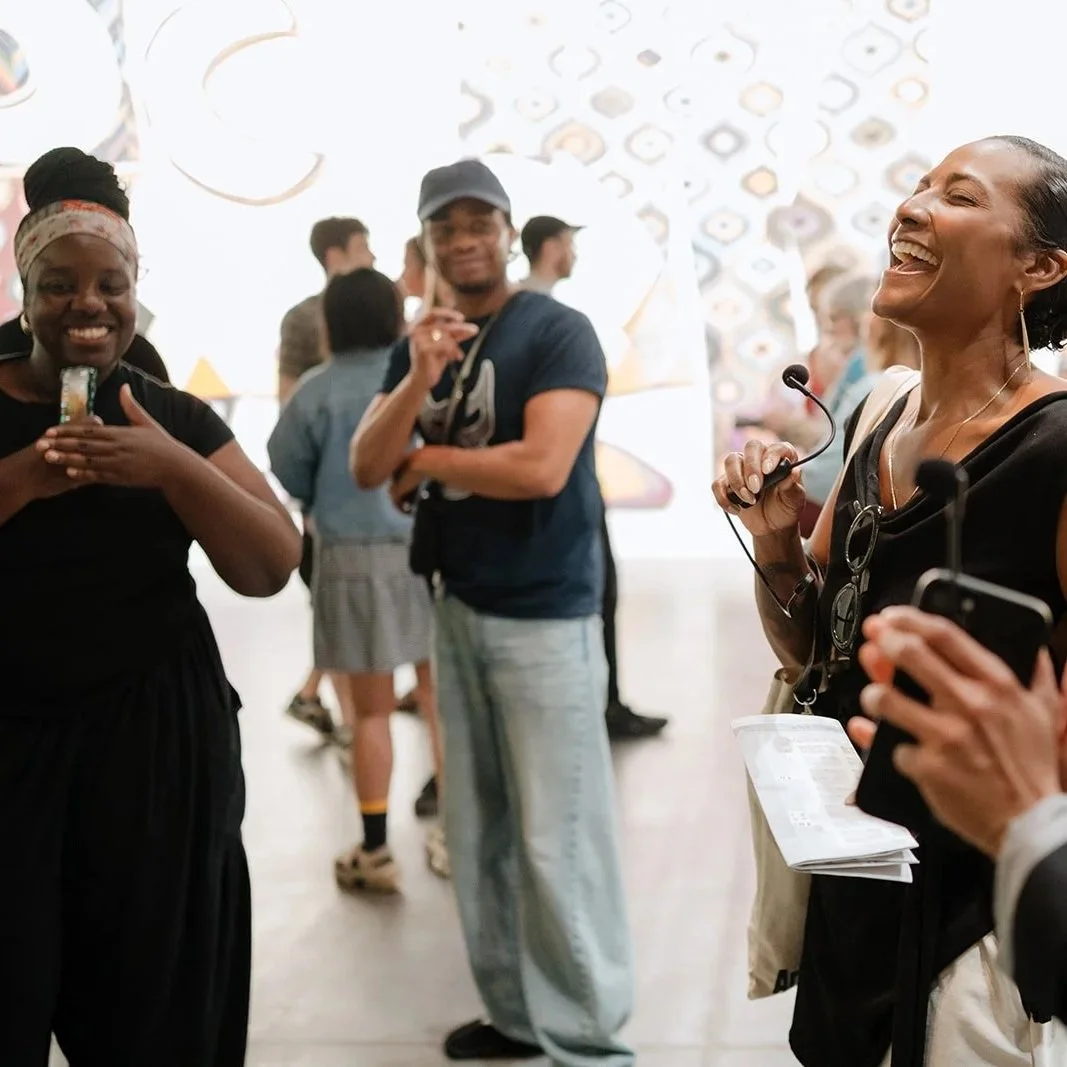
On the last Friday of Miami Art Week, we invited Lauren Baccus, artist, cultural worker, and the director of education and community engagement at the Museum of Contemporary Art, North Miami, to lead us on a curated tour of the titanic Art Basel Miami Beach art fair.
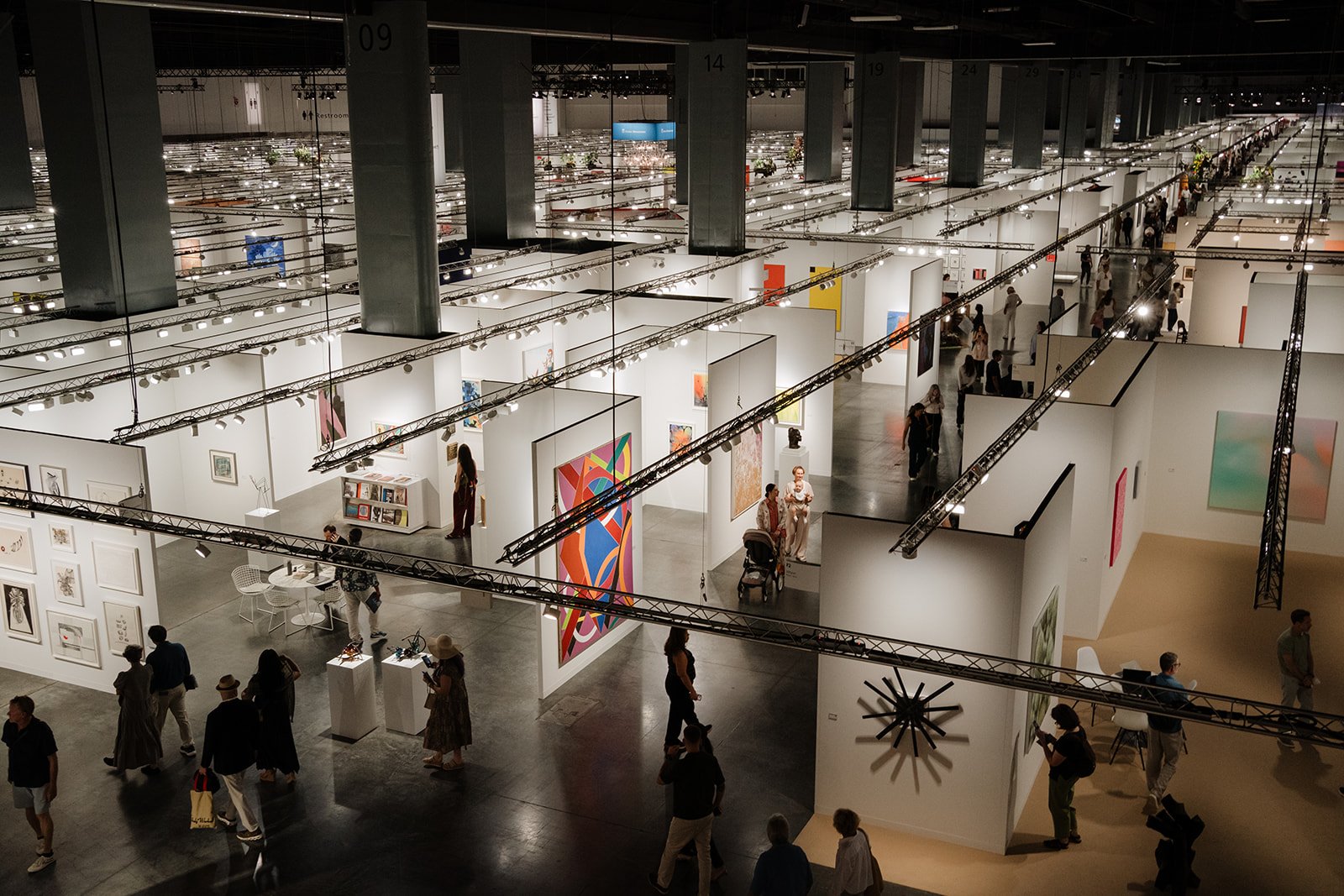
With 283 leading galleries from 43 countries and territories, ABMB is the largest contemporary art fair in the Americas—it’s almost impossible to see everything. So, to help ground our route with purpose, Baccus recalled the words of writer Damien Davis for Hyperallergic: “Once the fair ends, the question becomes simple. What does support look like when the crowds leave? Who continues the relationship beyond the spectacle? Who disappears once the performance has ended?”
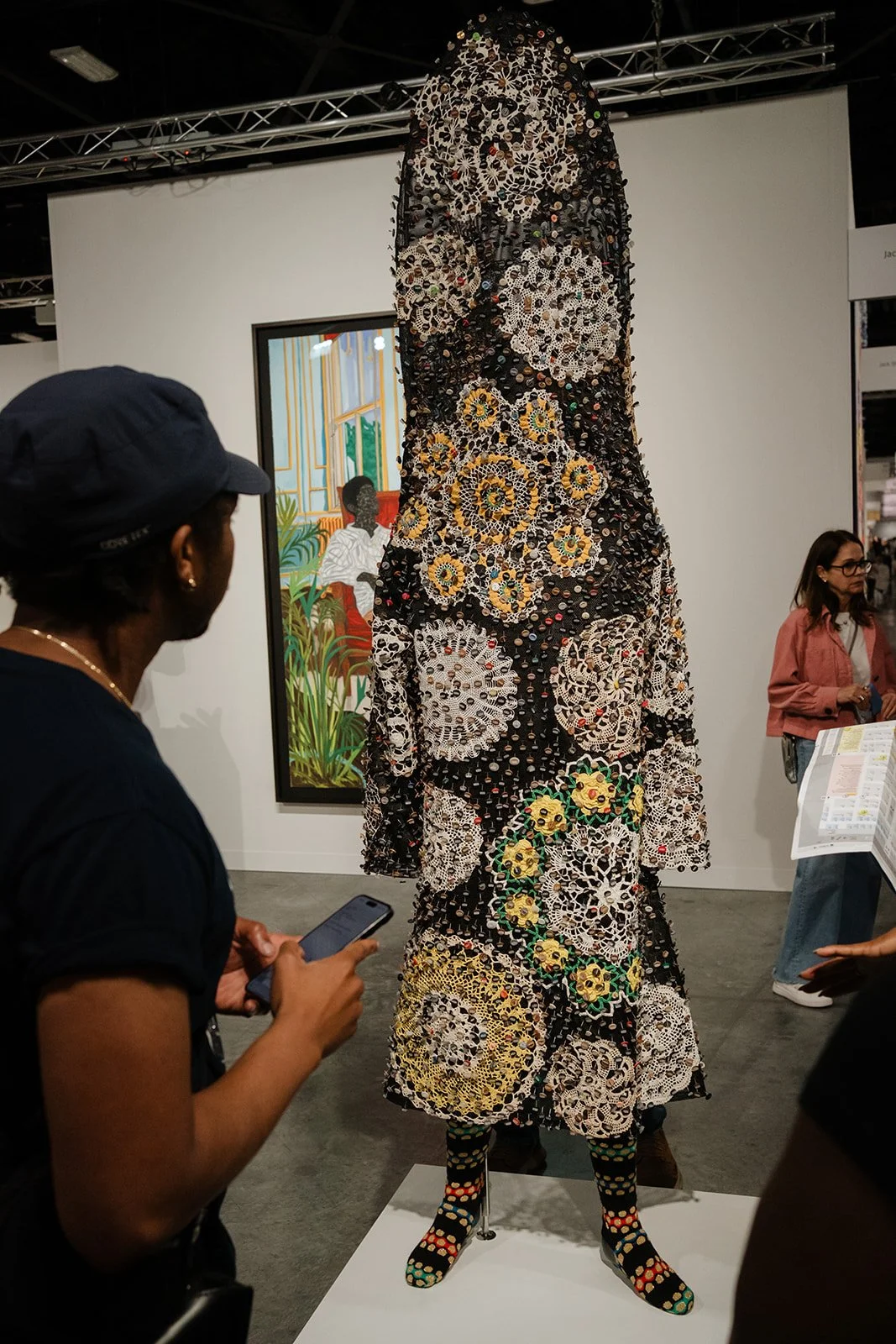
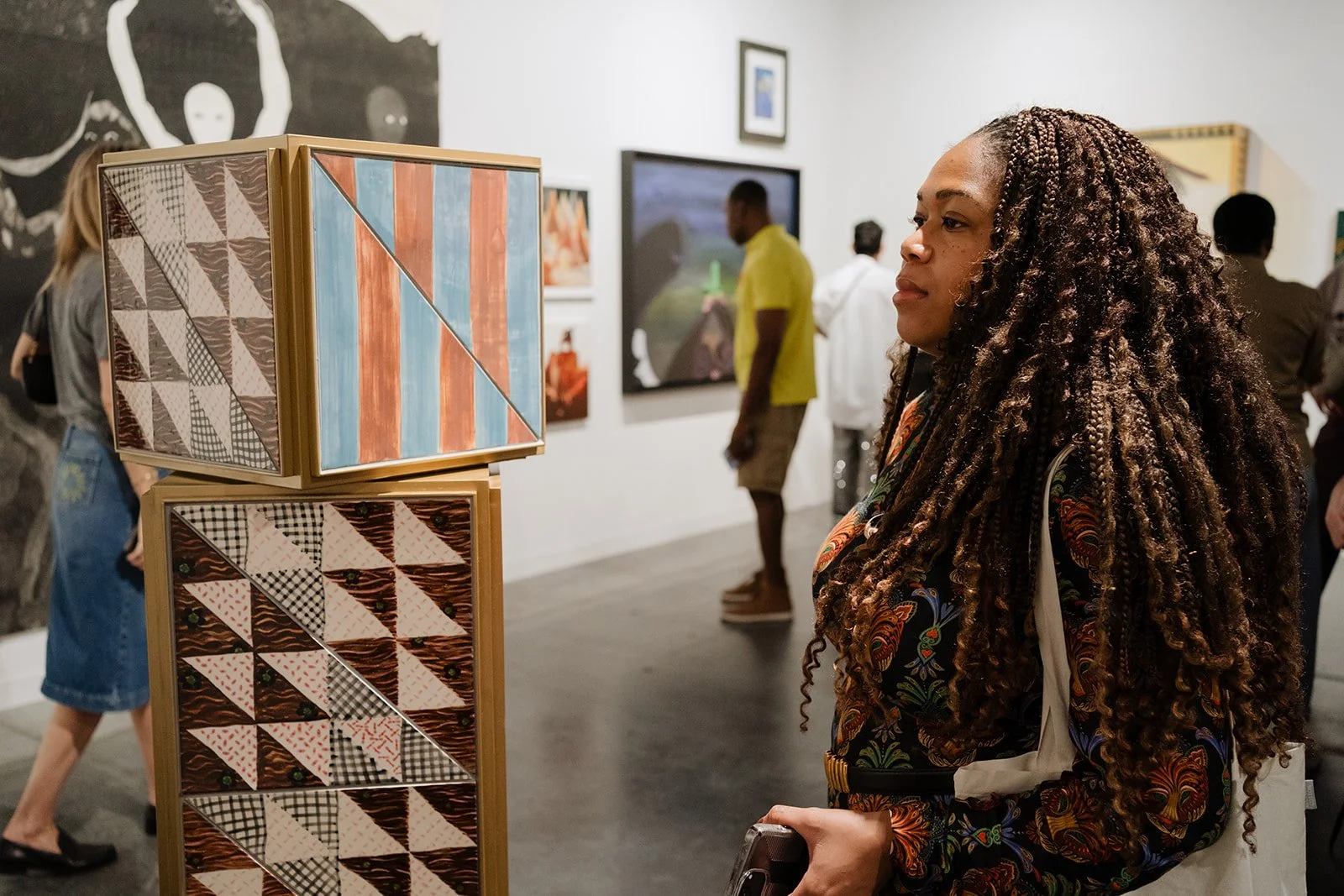
Baccus’s tour explored these questions, focusing on booths featuring artists connected to Miami and Commissioner, as well as those investigating alternative models for collecting. This offered us a pathway to support them beyond the fair.
Notable stops included galleries exhibiting commissioned artists, such as Pepe Mar (Season Three Artist) at David Castillo Gallery and Anastasia Samoylova (Season Five Artist) at Wentrup Gallery. We also visited Fredric Snitzer Gallery, where the veteran dealer spoke with us about the evolution of ABMB as a gallery exhibiting since its inception in 2002. By uplifting the work of local artists, he has played a major role in building the momentum of artists’ careers, like Hernan Bas, who first showed with the gallery in 2001. This year, Snitzer presented works by Vickie Pierre, a Brooklyn-born, South Florida-based artist whose first museum solo exhibition, The Maiden is the Warrior, we visited at MOCA earlier in the fall.
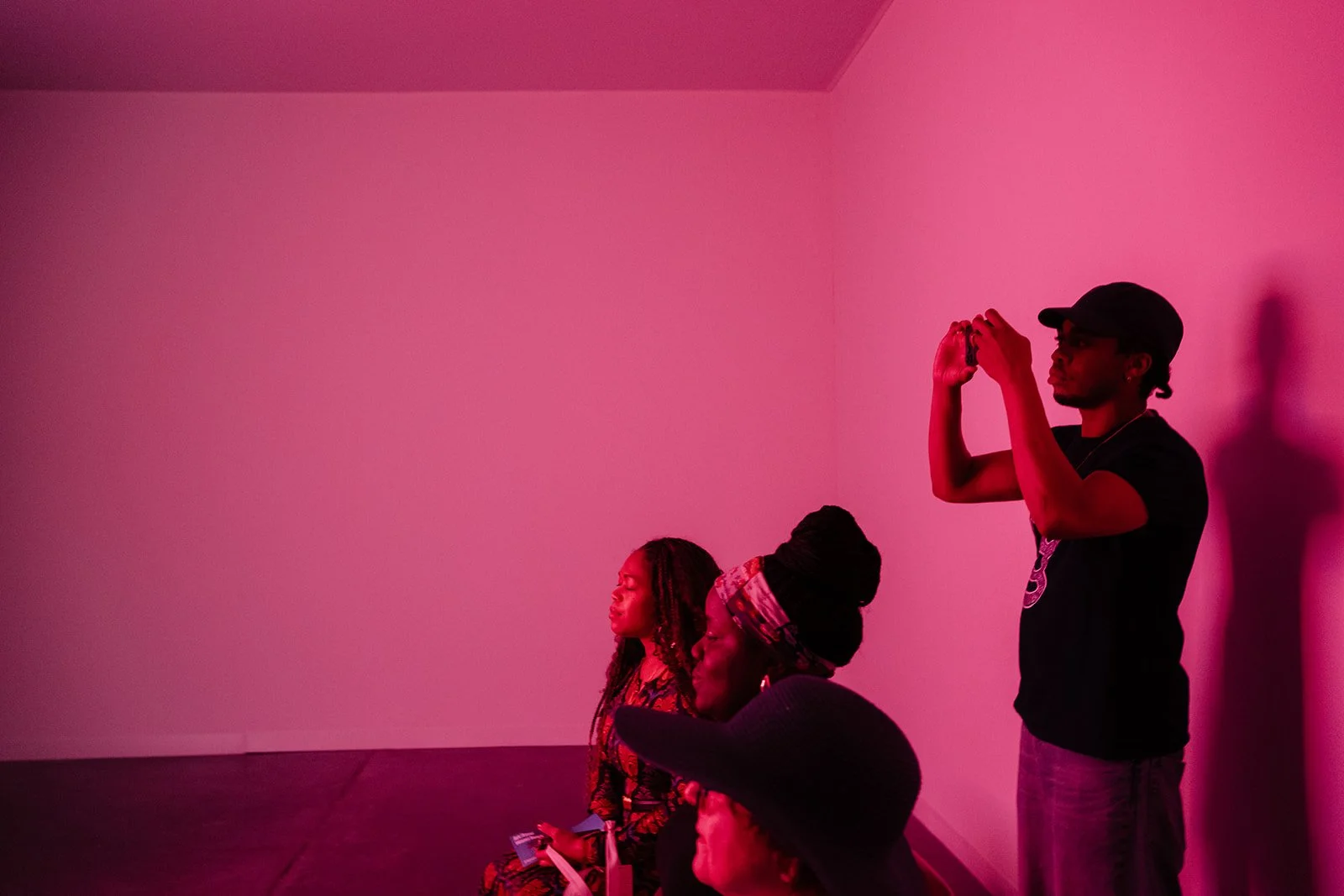
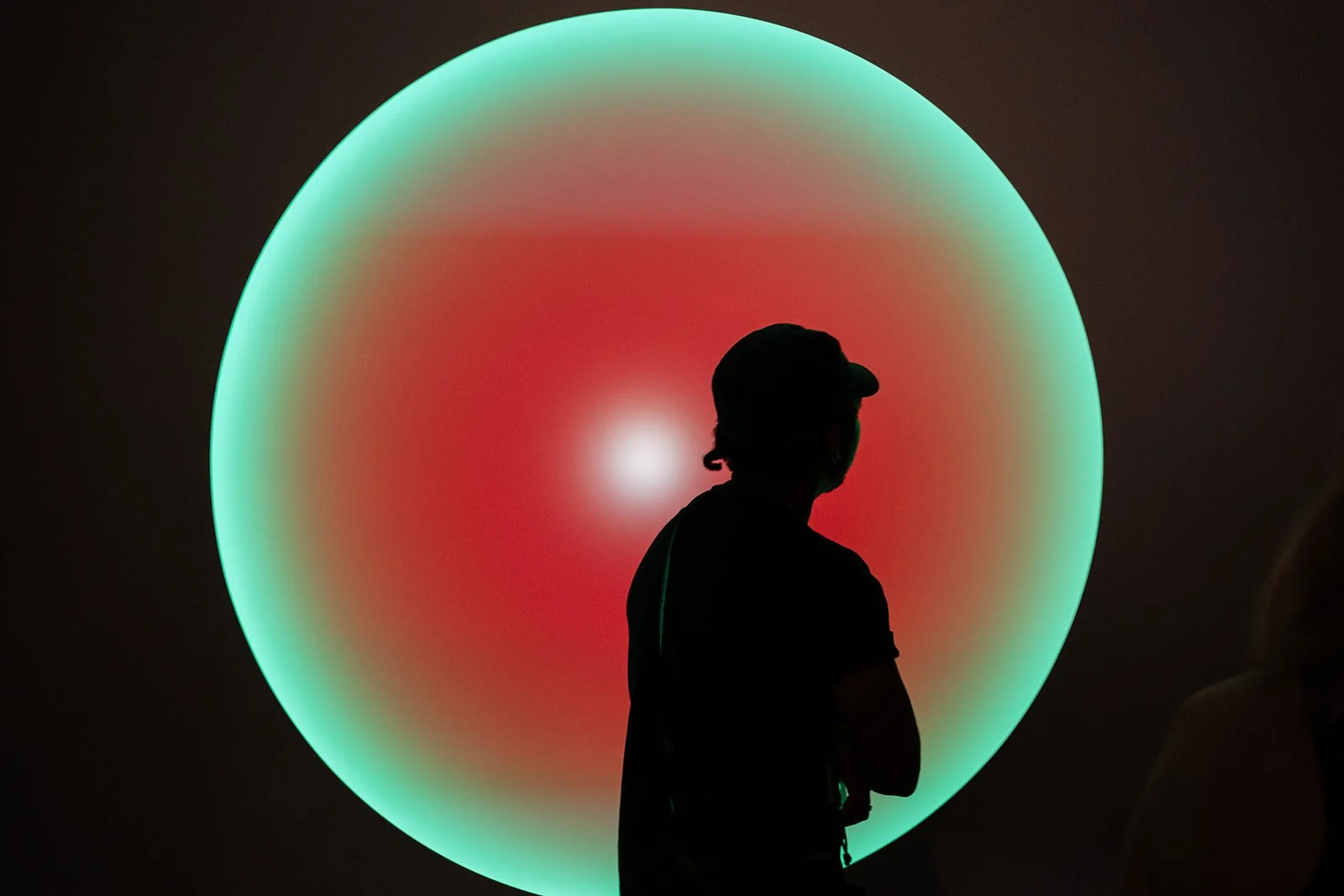
Baccus guided us through the traffic of art enthusiasts, advisors, buyers, and an alarming number of dogs to the fair’s Zero 10 debut—a new global initiative for art of the digital era. We stopped at the American artist James Turrell’s installation for a rare moment of quiet in the fair thunder. For over half a century, Turrell has worked directly with light and space to create artworks that engage viewers with the limits and wonder of human perception. Spend more time with his environments at Superblue Miami.
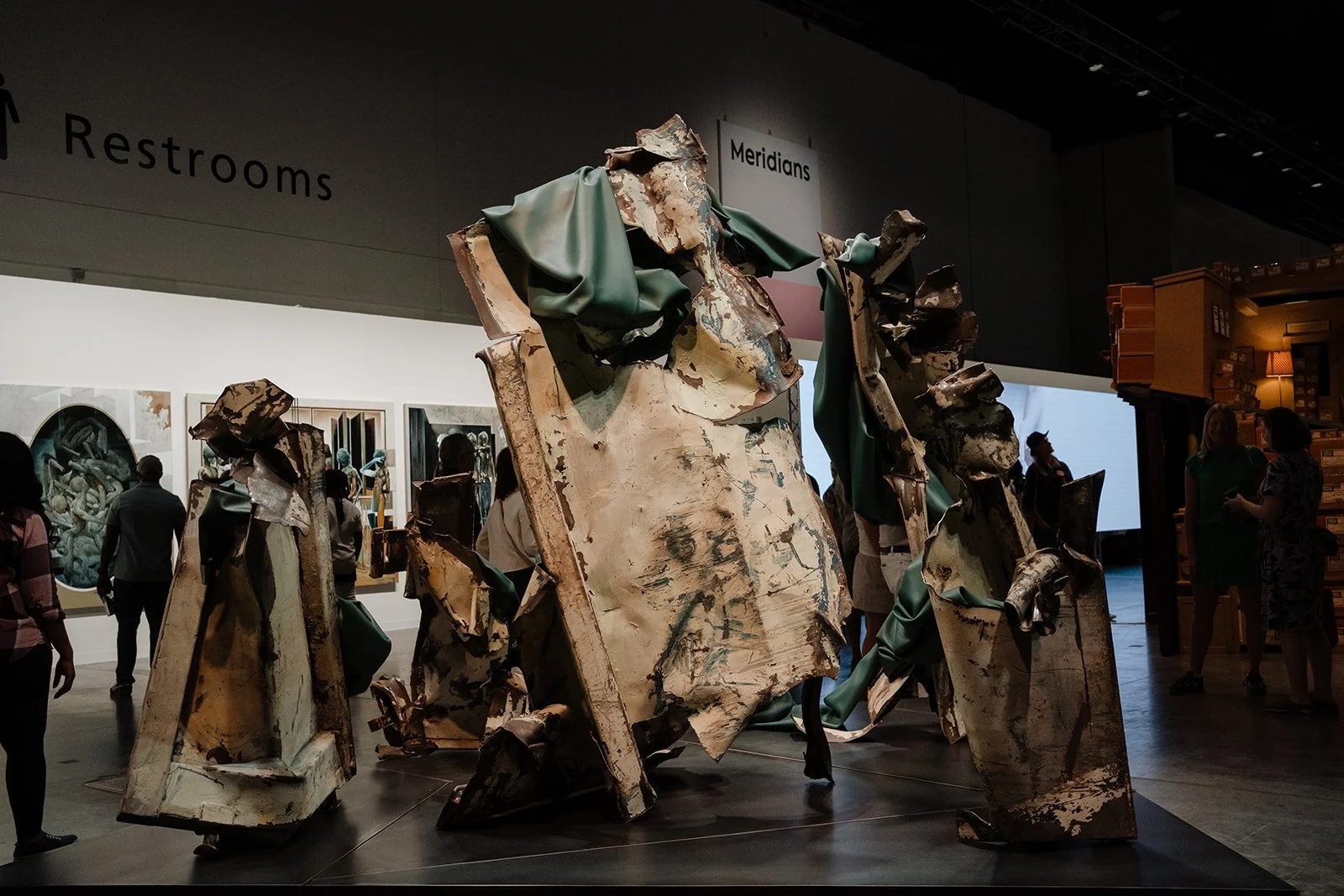
We ended at Meridans, the sector dedicated to large-scale sculpture, video, and performance. Kennedy Yanko was our featured and final stop. Yanko, also Miami-based, is known for transforming found industrial metals and paint skins into dynamic and fluid forms. The work she presented with Library Street Collective—Commissioner’s Detroit curatorial partner—seemed to fold light and shadow. Yanko was most recently named Fountainhead Arts’s inaugural Forum Award recipient, funding the production of new work for a major international exhibition next year.
Part of the magic of ABMB, and Miami Art Week, overall, was seeing the familiar faces, like artist Onajide Shabaka. As we reflect on how we can continue supporting artists, we’re reminded that participation can happen at any time—the creative ecosystems are all around us.
Overwhelming gratitude to Adaeze Nwakobi for her writing, and to all of the galleries, artists, and art fairs who have so generously shared their work and programs with us. Special thank you to Stefanie Reed and Lucy Killian for their support. Photography by Chantal Lawrie.