
Artists on Common Skin Fantasy
Experience Common Skin Fantasy through the eyes of artists Alicia Bilbao and Alejandra Moros in a private member tour led by Katia Rosenthal at KDR in Allapattah.

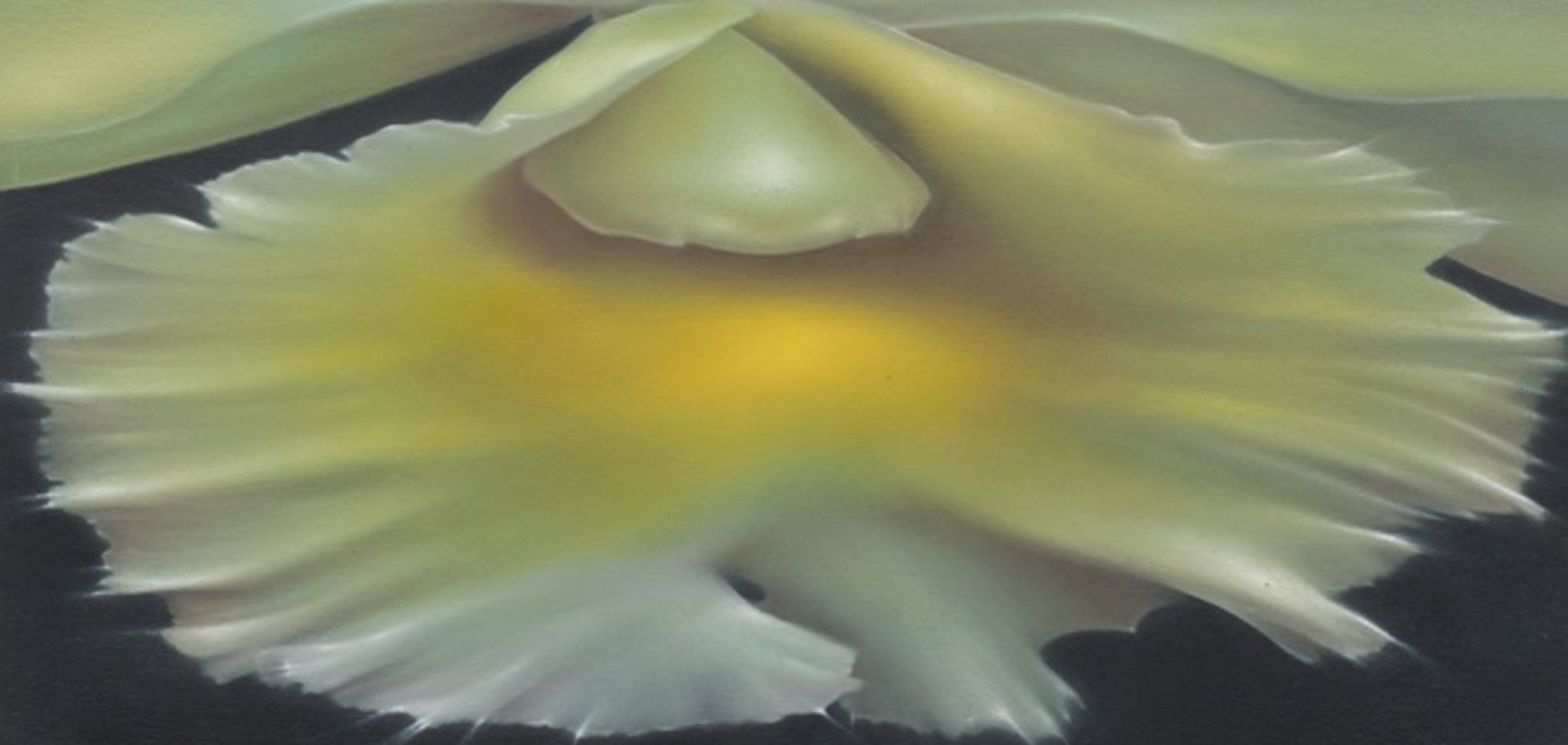


Experience Common Skin Fantasy through the eyes of artists Alicia Bilbao and Alejandra Moros in a private member tour led by Katia Rosenthal at KDR 305 in Allapattah.
Common Skin Fantasy is two-person exhibition that marks the first time these artists’ works have existed in dialogue, creating an environment where materials, conceptual references, and audience projections expand in uncanny ways that reflect the scope of both practices.
Born in Heidelberg, Germany, and moving to Miami in her teenage years, Alicia Bilbao’s sculpture-based practice exists somewhere between the histories of fictional myths and the otherwise brutal psychological revelations that reality inevitably trails. Born in Miami, Alejandra Moros’s multidisciplinary practice, taking shape primarily through painting within this exhibition, explores transformation, adaptation across psychological, ecological, and collective systems, and the mirrored possibilities of fiction.
In the words of curator Catherine Mary Camargo:
Where Moros may spend years collecting visual references for her paintings, ranging from Victorian-era prosthetics and the shedding of reptilian skins to the pollination processes of orchids, Bilbao, who works as a scientific laboratory researcher by day, intimately creates sculptural figures from artificial and organic materials, ranging from epoxy clay and resin to tufts of her own hair and animal pelts.
The fragmented bodies and small faces she renders tend to evoke the illusion of real psychological discrepancies possible within her figures. While Bilbao reinforces the strange familiarity of the figure through rendering an isolated stance, a blank human glare, the essence of a simple gesture held in suspension, Moros dissociates us from our own cognitive reserves, creating spectral remnants of something that perhaps once belonged to the organic world.
Within the framework of the exhibition title, the question almost begs itself: which of the two is the mother, and which is the child? More conclusively, however, it feels as though the answer lies somewhere within the tension of each artist’s relationship to the molding of their own fictional and fantastical environments.