
Open for Everyone | Collecting for Collective Memory



How can art and collecting can serve as tools for truth-telling, memory, and cultural reclamation?
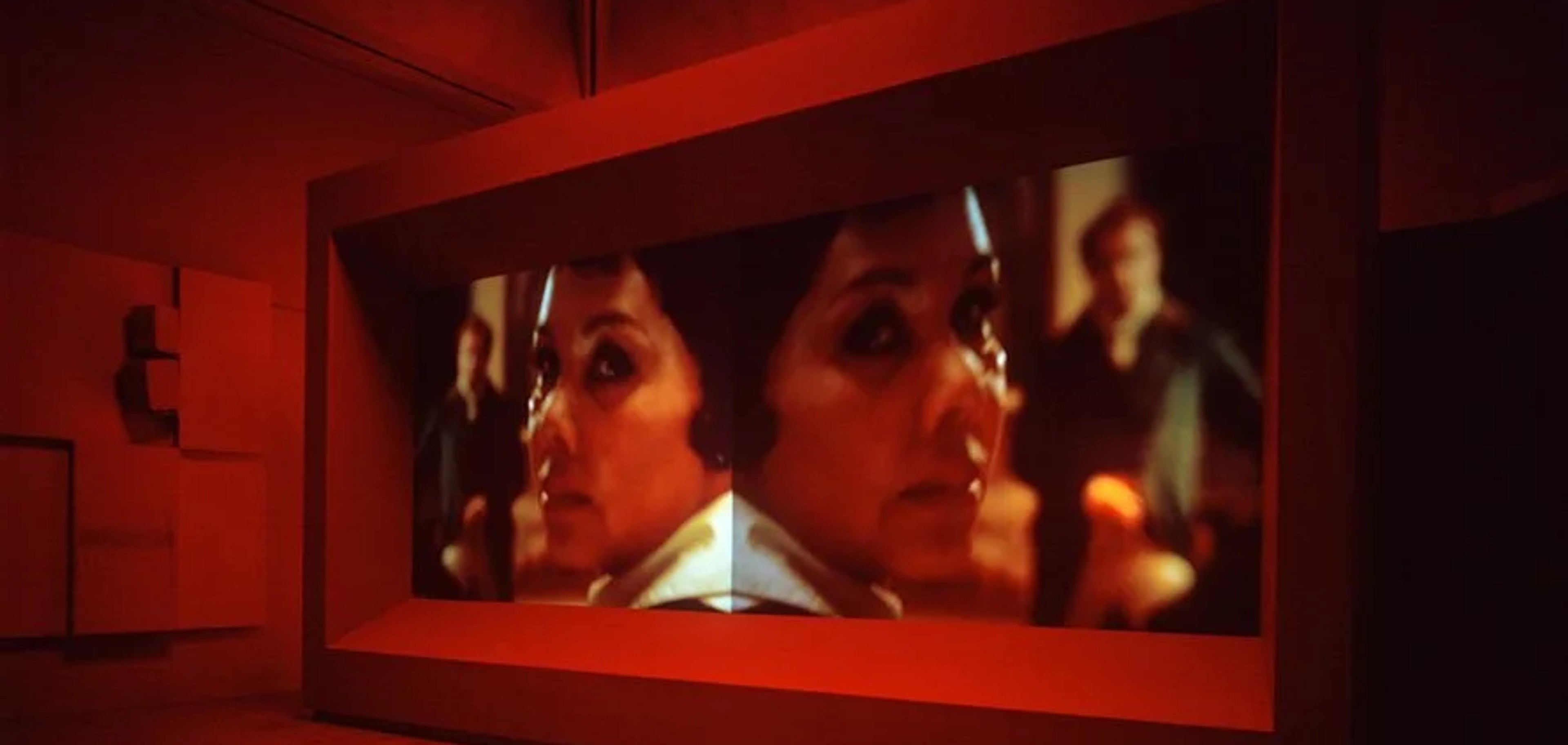
Inspired by artist Isaac Julien’s Vagabondia (2000) on view at The Bass Museum, join us for a panel conversation that considers the evolving responsibility of individuals and communities in the cultural stewardship of inclusive narratives.
In addition to the talk, guests will be invited to reflect on how shared experience and cultural memory is recorded in our very own neighborhoods. Together, we’ll examine how our stories contribute to a broader, more expansive historical record, and how these memories can be preserved for future generations.
Sir Isaac Julien (b. 1960), KBE RA, is a British artist and filmmaker who has devoted his four-decade career to expanding the possibilities of the moving image. Coming to prominence in 1980s London, his work—spanning film, video, and photography—combines poetic visual storytelling with critical explorations of cultural memory and the dispersion of Black individuals and communities throughout the diaspora. His films unsettle histories shaped by institutions and mainstream narratives, foregrounding voices and perspectives that are often overlooked.
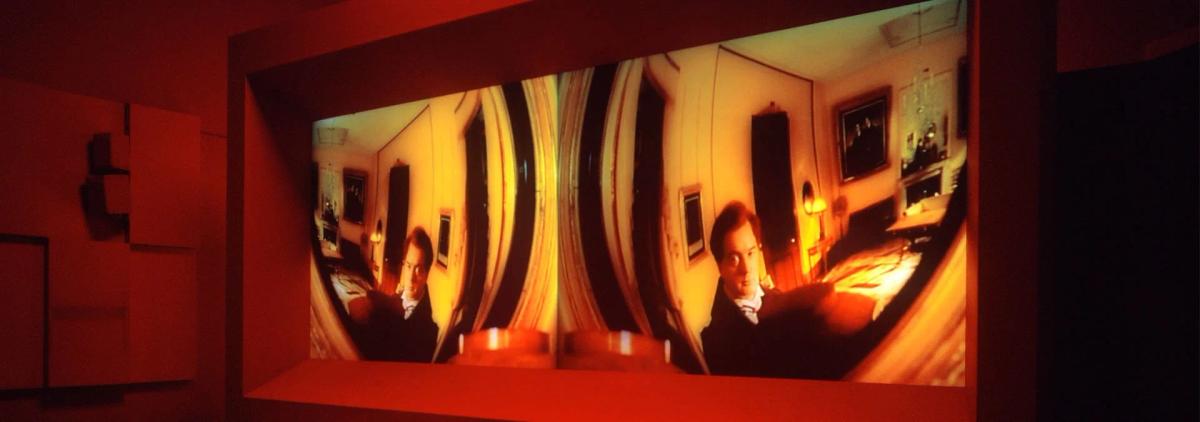
Vagabondia (2000), a two-screen film installation that recently entered The Bass’s collection, brings these concerns into sharp focus. Set within London’s Sir John Soane’s Museum—founded in 1837 and known for its densely layered displays—the film follows a conservator as she moves through rooms filled with objects collected in the late 18th and early 19th centuries, during the height of the British Empire. As she navigates the museum, her path becomes increasingly surreal: ghostly figures begin to appear, interrupting the quiet order of the galleries and drawing attention to the colonial legacies embedded within the institution. These apparitions are not simply echoes of the past; they mark the presence of lives and narratives omitted from the histories the museum preserves and presents.
Among the apparitions that appear along the conservator’s path, one figure stands apart: a “vagabond” dressed in 18th-century attire, who moves through the museum with theatrical defiance. He appears most notably in a room dedicated to William Hogarth’s A Rake’s Progress (1732-34)—a cautionary tale of moral decline that reflects the Enlightenment values of reason, discipline, and progress central to the Soane’s founding mission. The vagabond’s presence feels deliberately out of place—alive rather than ghostly, expressive rather than instructive. He doesn’t haunt the space so much as animate it, exposing the tensions between the museum’s displays and the colonial legacies they obscure.
In Vagabondia, the Soane Museum is treated as both subject and stage. Choreographed sequences by Javier De Frutos—performed by the vagabond and the ghostly apparitions alike—mirror and respond to the conservator’s movements. They animate the museum’s rooms and unsettle their sense of order. Julien’s camera moves through these spaces with quiet precision, collapsing the boundaries between the physical and the psychological, the archival and the imaginary, the past and the present. What emerges is a reframing that invites viewers to think critically about what museums make visible, and what they conceal.
Layered into these scenes is a Creole-language narration, which accompanies the conservator on her journey through the museum. Shaped by centuries of colonialism and displacement, Creole reflects the concept of métissage—the blending of cultures, languages, and histories that emerges from colonial encounter and diaspora. This concept is central to Vagabondia, informing both what the film expresses and how it unfolds. Within the Soane Museum’s neoclassical halls, emblematic of colonial power, the presence of Creole disrupts expectation: a language once excluded from the institution now fills its galleries, giving voice to realities that have long been unheard.
Rather than seeking resolution, Julien opens space for reflection. Through this film, he asks: Who decides what is remembered? Whose absence shapes the story we see? Within this atmosphere of ambiguity, history becomes unstable and subject to revision, resistance, and reimagining.
At The Bass, the installation’s red-walled gallery amplifies these themes. The saturated color heightens the theatricality of the space and deepens the film’s focus on visibility, power, and performance. Here, Vagabondia becomes a site of encounter, where the viewer, like the conservator, is invited to look more closely and question the narratives preserved by cultural institutions—and the many stories left out of view.
Issac Julien: Vagabondia is curated by Claudia Mattos, Associate Curator of New Media Art. Vagabondia is a gift of Rosa and Carlos de La Cruz.