
Strange Celestial Road by Alexandra Fields O’Neale
How can an installation embody the rest we imagine but have yet to experience for ourselves and our communities?
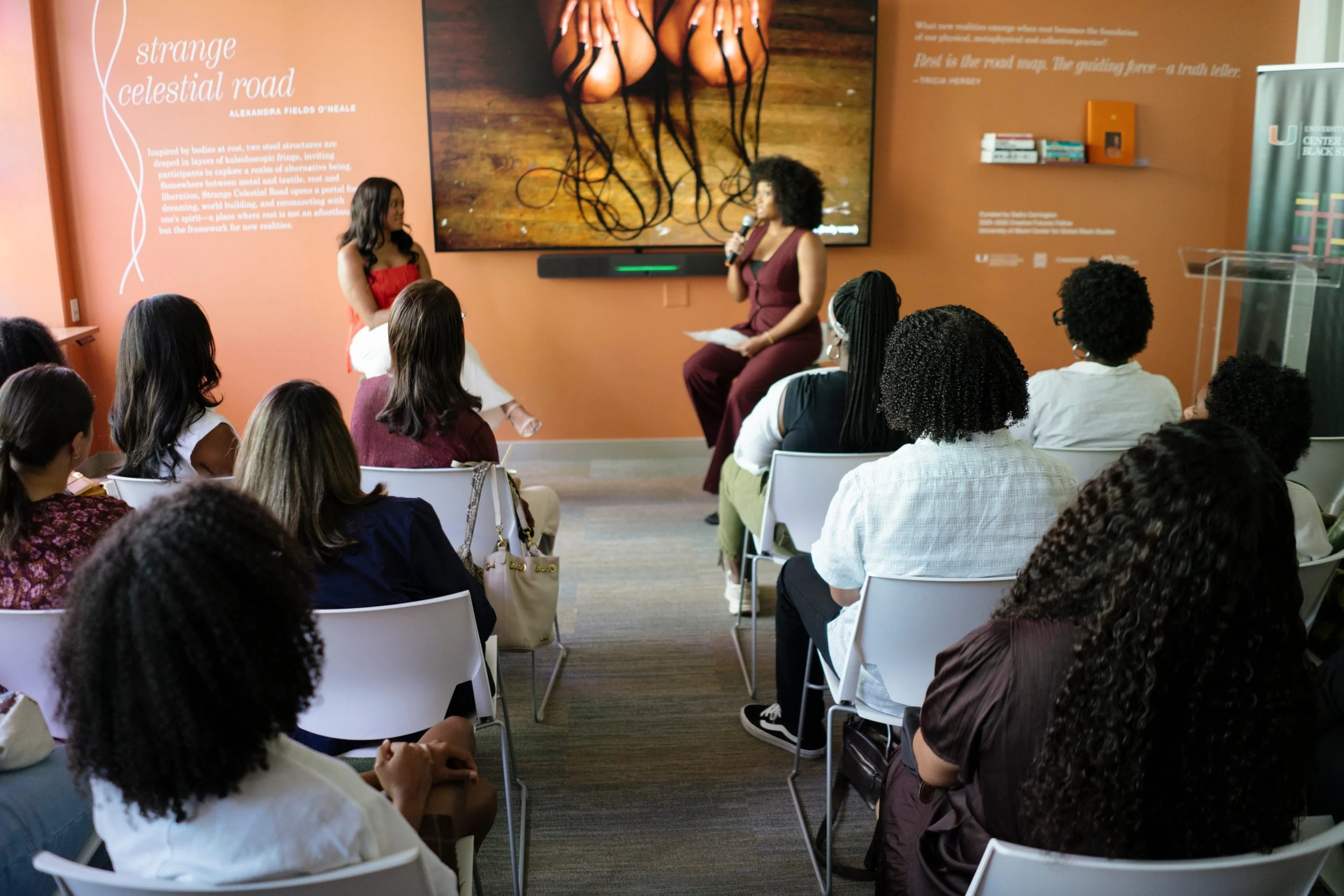
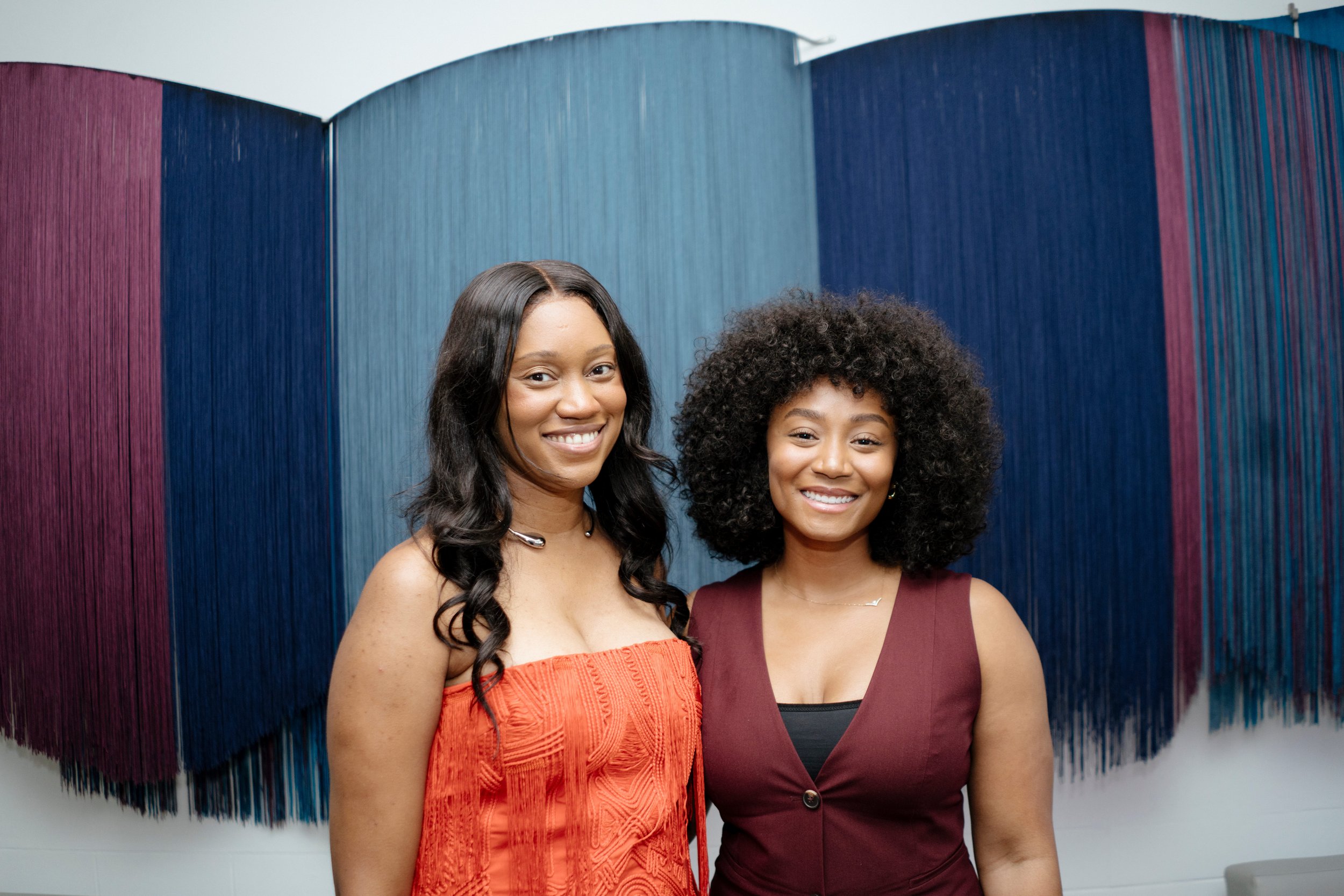
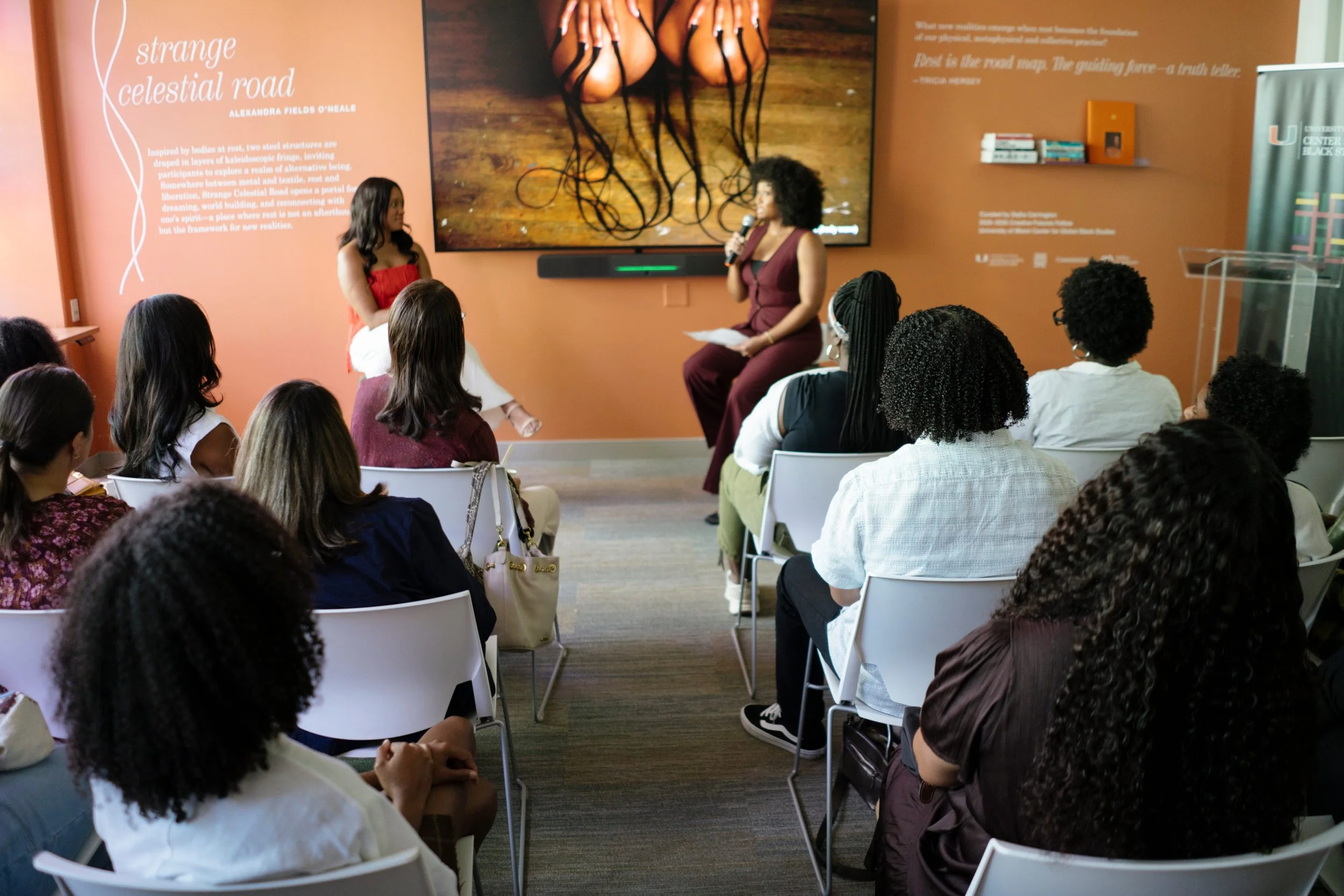
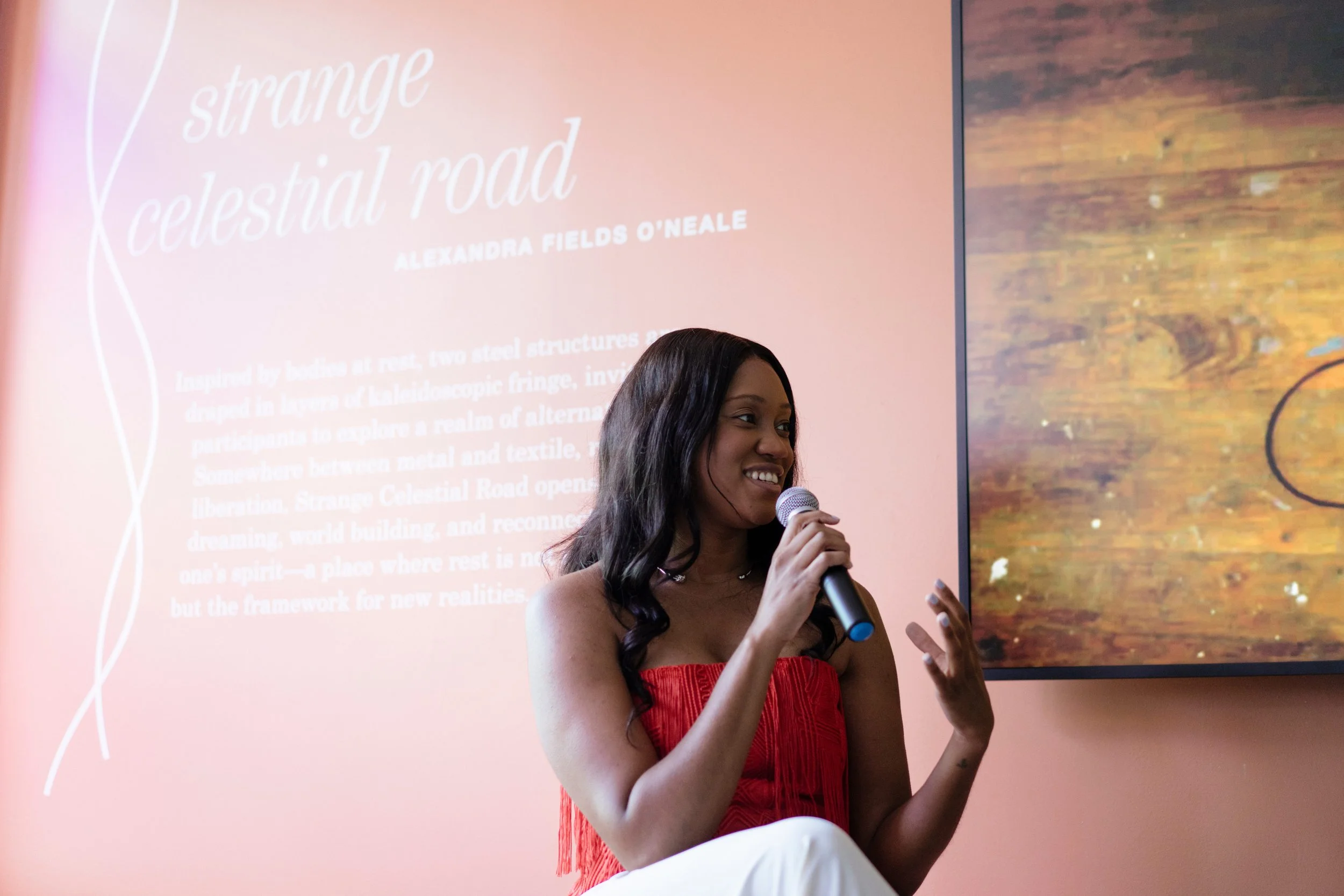
Alexandra Fields O’Neale in conversation with Dr. Mysia Anderson-White, photography by Gesi Schilling
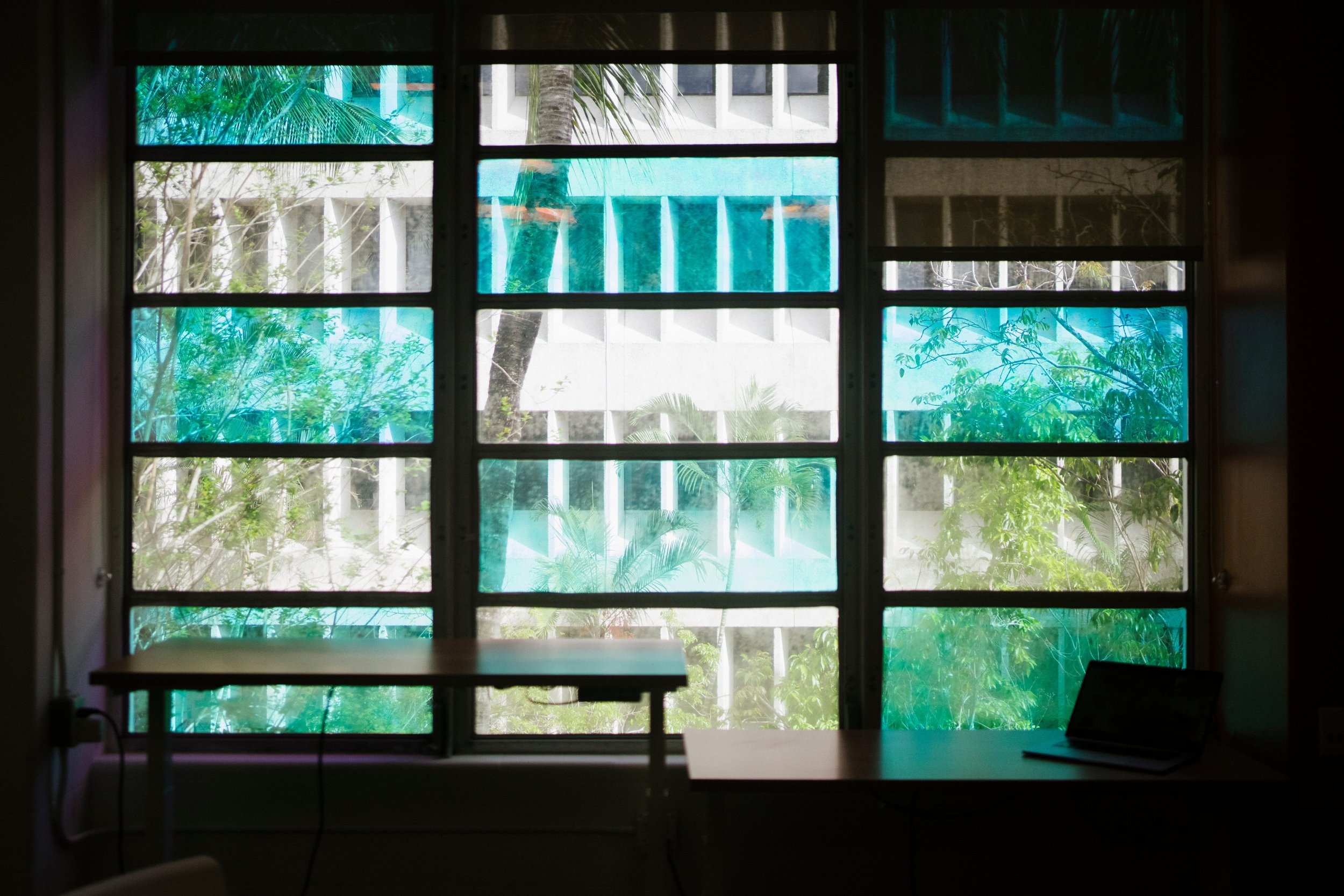
The Center for Global Black Studies is located in the Solomon G. Merrick Building, the oldest structure on the University of Miami campus in Coral Gables, Florida, named by founder George Merrick to honor his father, Solomon. Completed in the 1920s, this building—like monuments and institutions around the world—came under fire in 2020 as more than 1,500 students petitioned to have it renamed over Merrick’s racist legacy. Here, the CGBS, co-founded and shaped by cultural studies scholar Dr. Donette Francis, is one of the few Black geographies on campus.
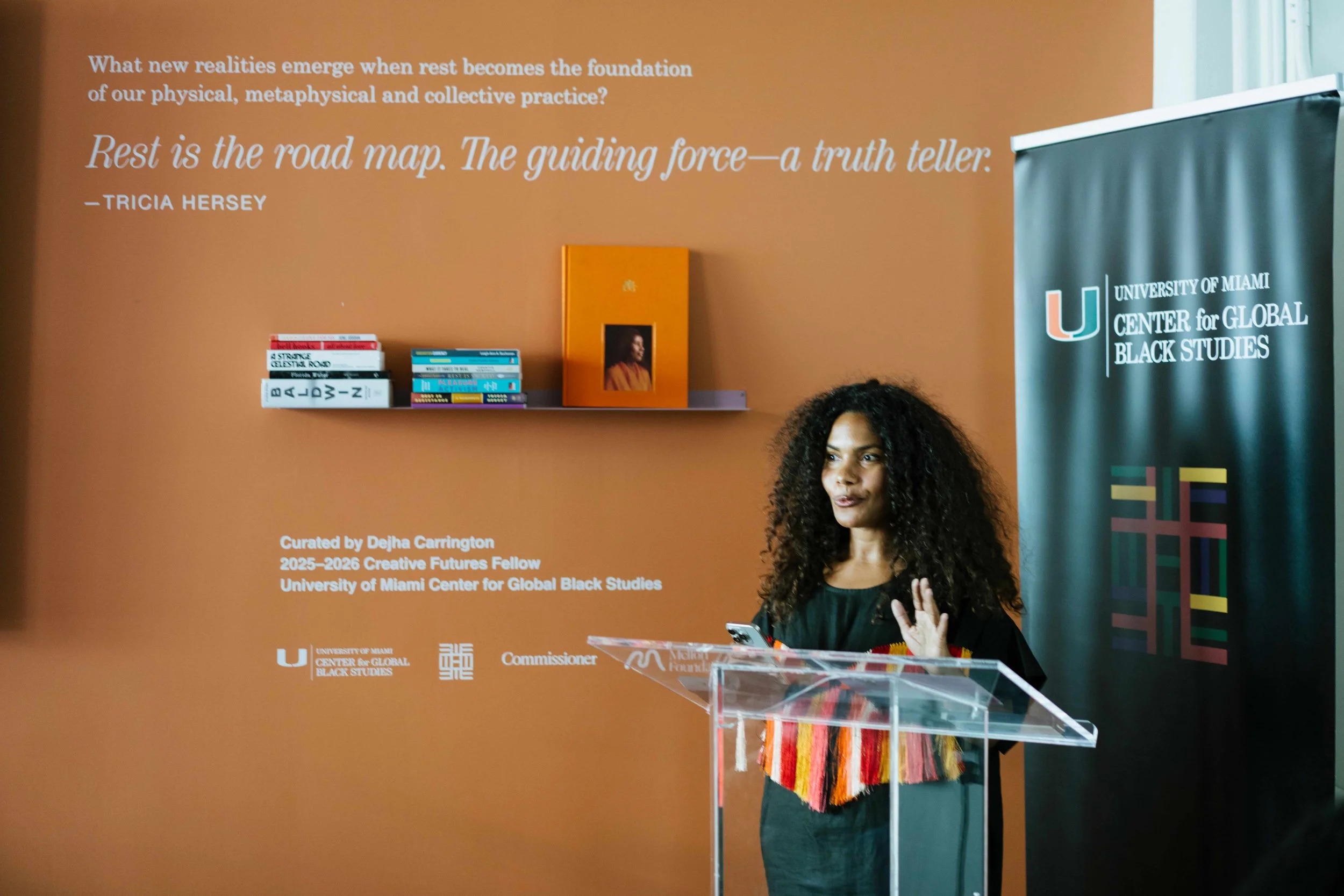
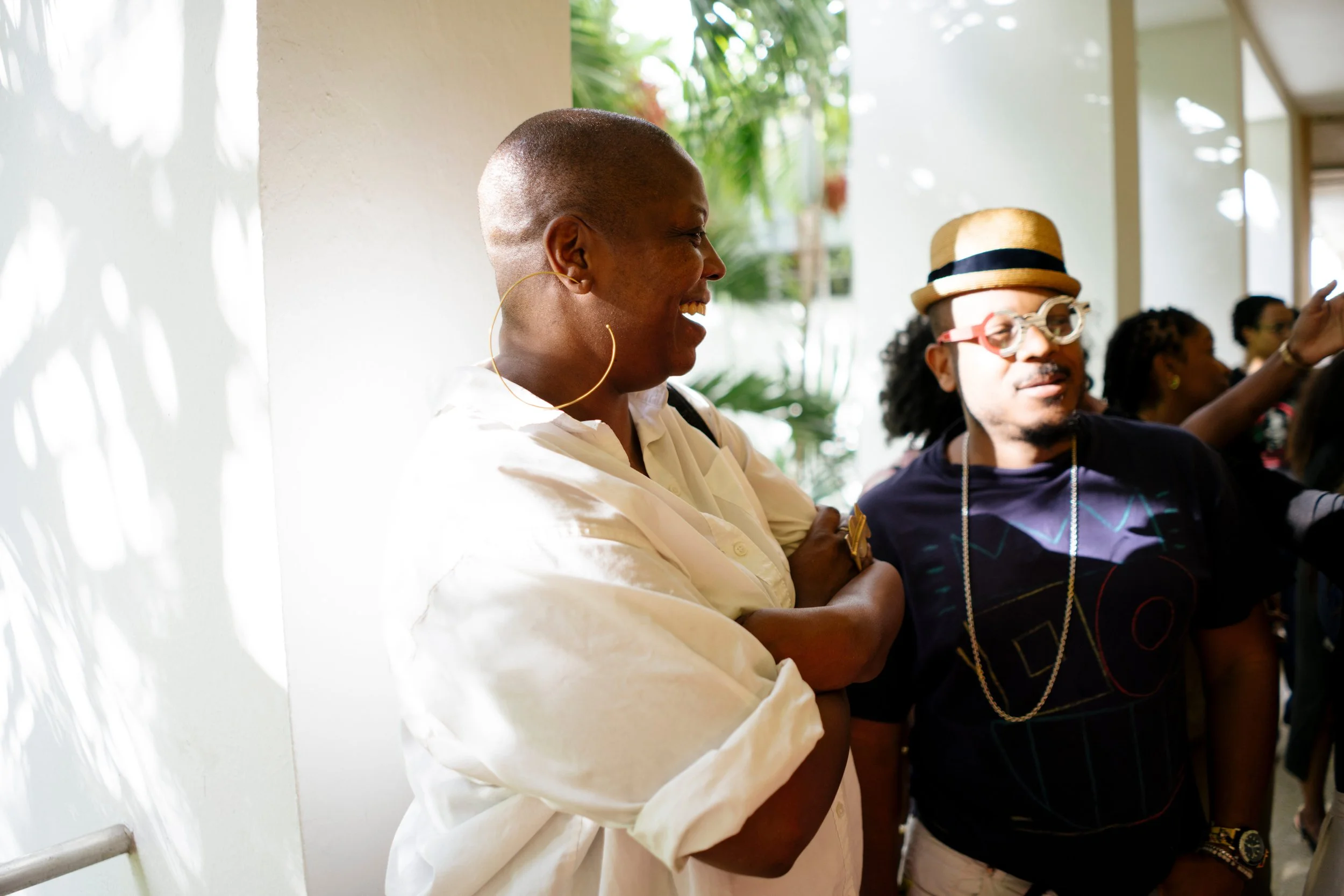
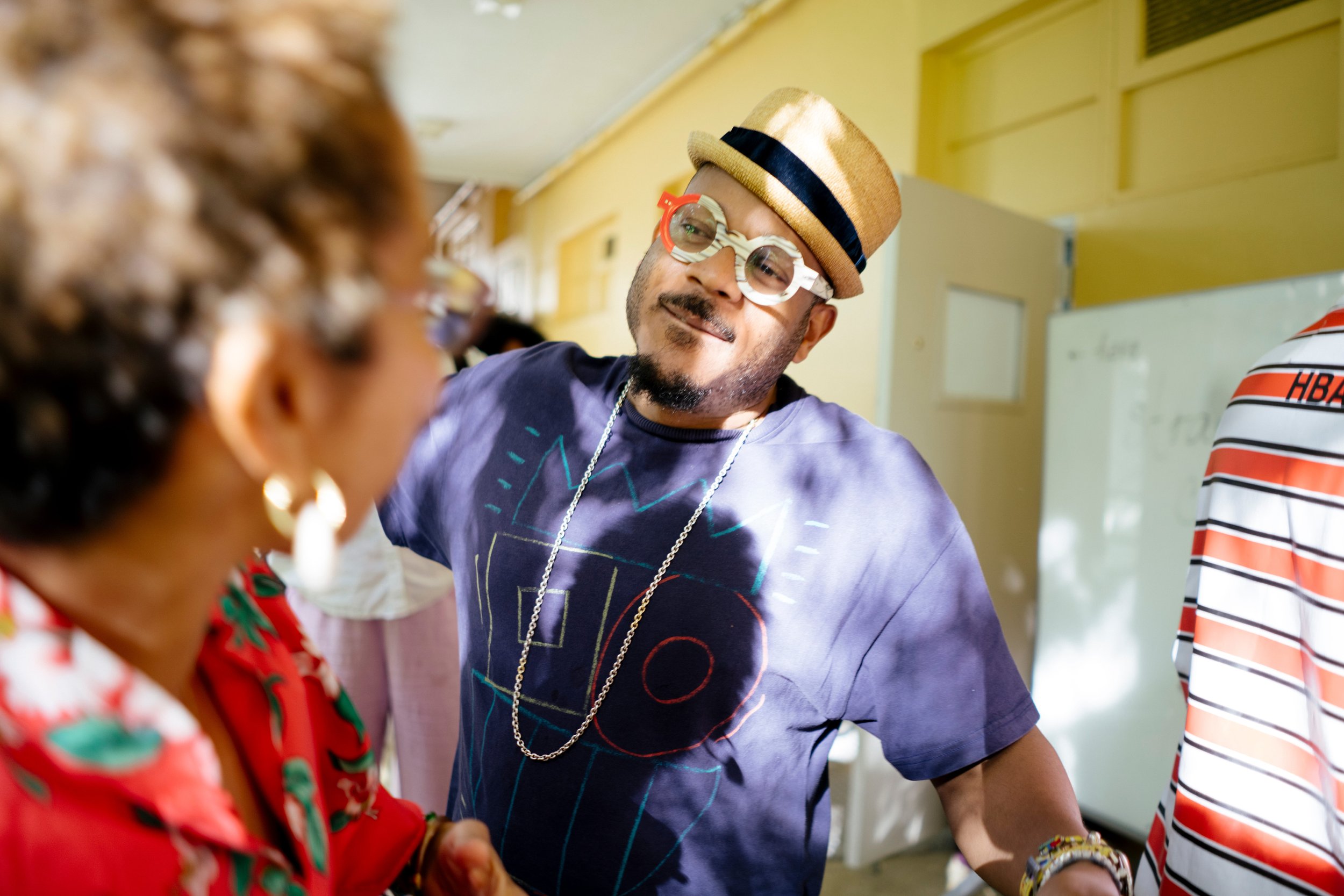
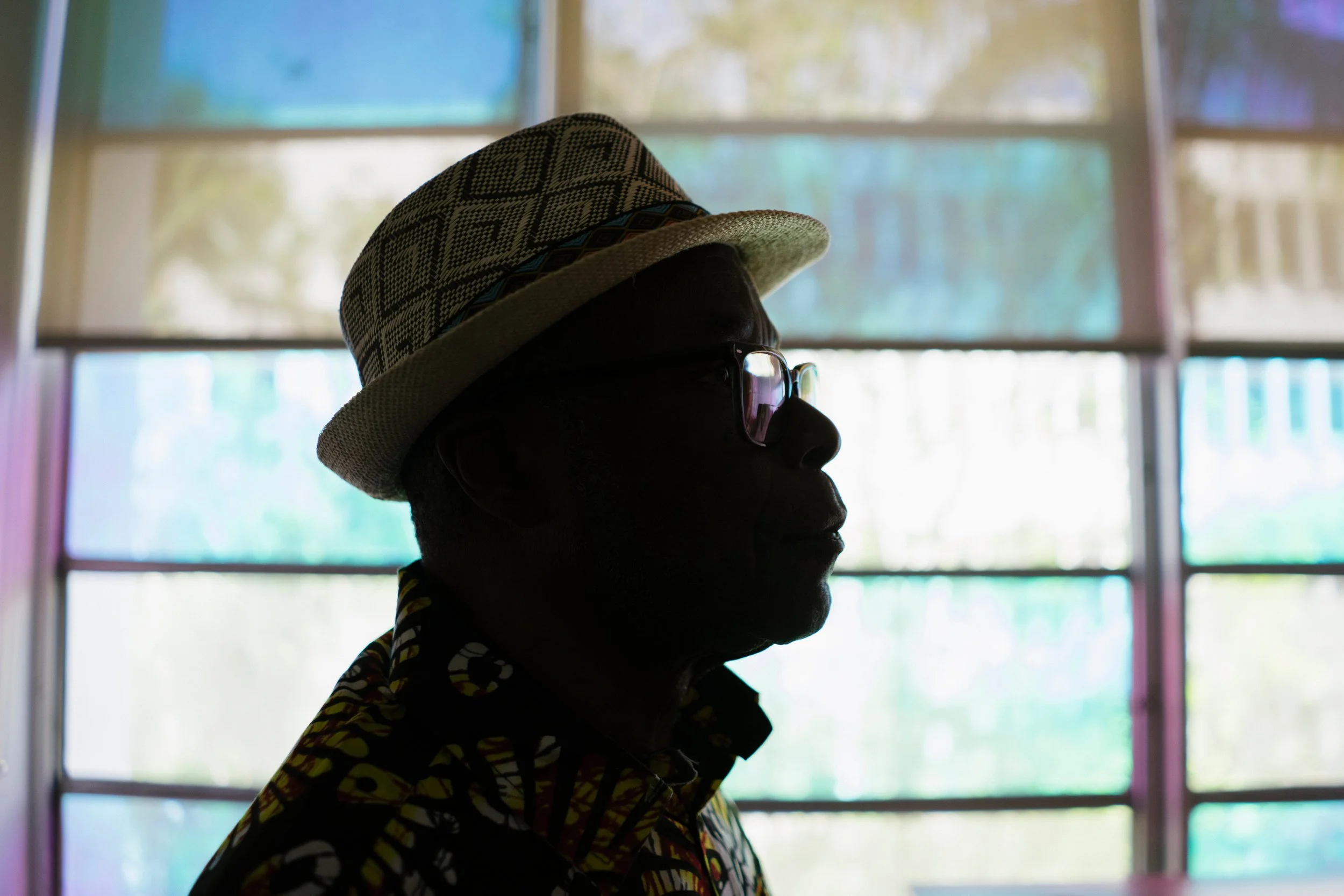
Dejha Carrington, Commissioner Co-Founder and 25-26 CGBS Creative Futures Fellow, photography by Gesi Schilling
It is in this intimate space—nestled between The School of Education and Human Development and Art History departments—that hundreds of students, faculty, and community members gather for classes, talks, presentations, and events throughout the year. The CGBS is also one of the sites where, in July 2025, Professor Francis hosted the Black Miami and Urban Coastal Transformations collective study workshop. Claiming time, as she describes, “in the middle of summer to convene approximately 20 scholars and practitioners on UM’s campus to read, write, and think together across disciplines, sectors, and stages—a model exemplifying the best of engaged Black Studies praxis."
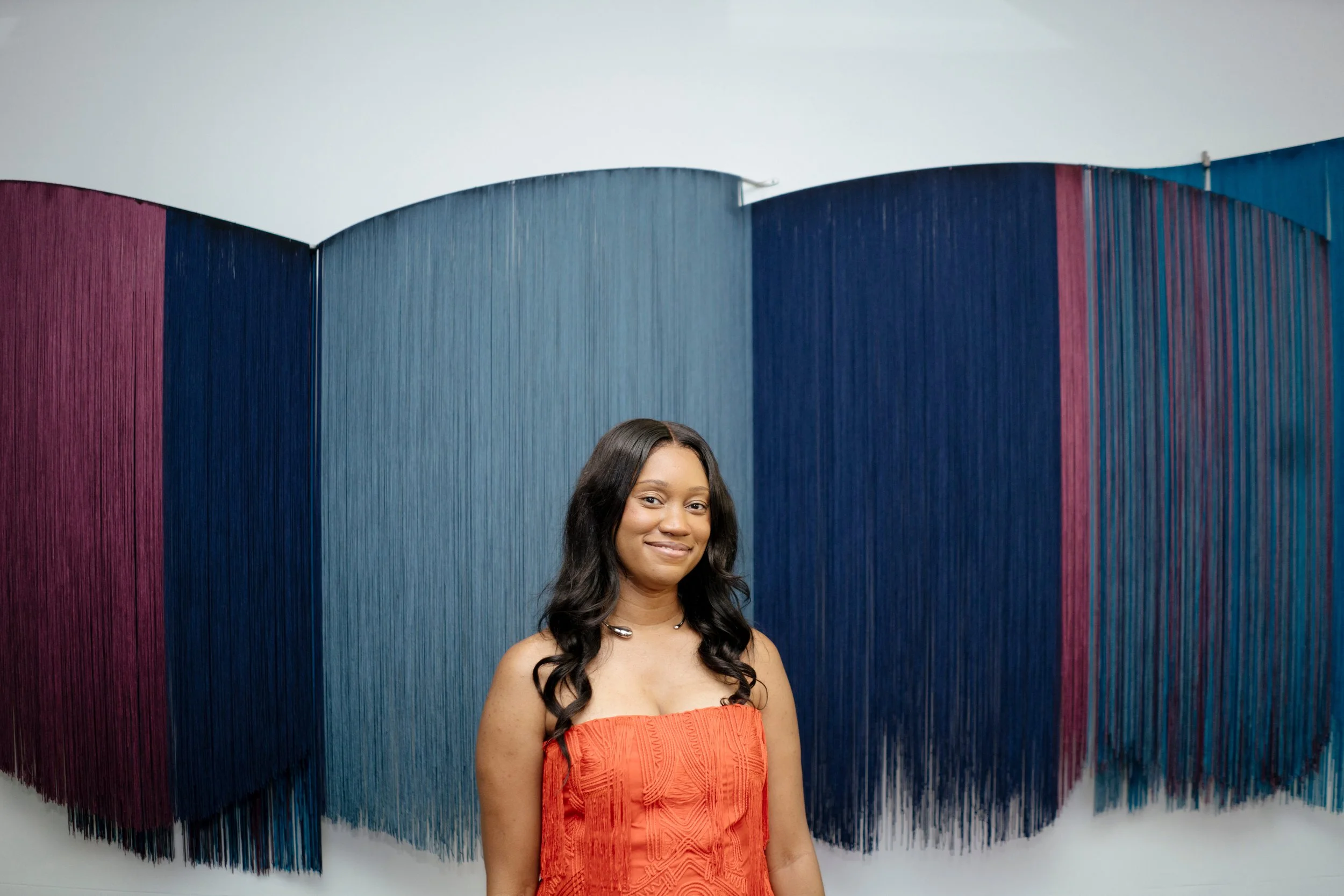
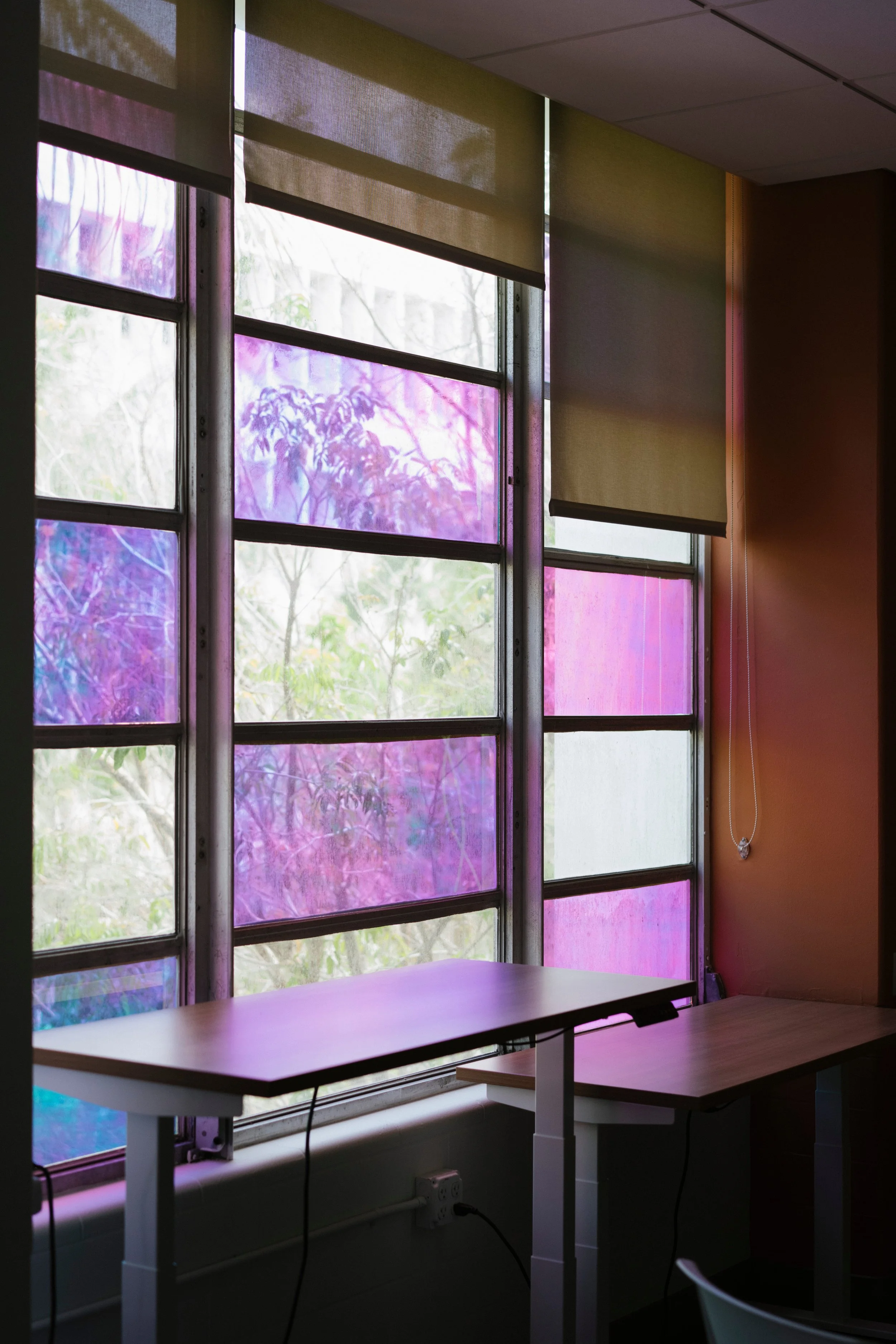
In the fall of 2025, Professor Francis and Dejha Carrington (Commissioner co-founder and the 25-26 CGBS Creative Futures Fellow) commissioned Miami-based multidisciplinary artist Alexandra Fields O'Neale to create a textile sculpture and light activation on campus. Titled Strange Celestial Road, the site-specific installation is now open for academic and public audiences through May 2027.
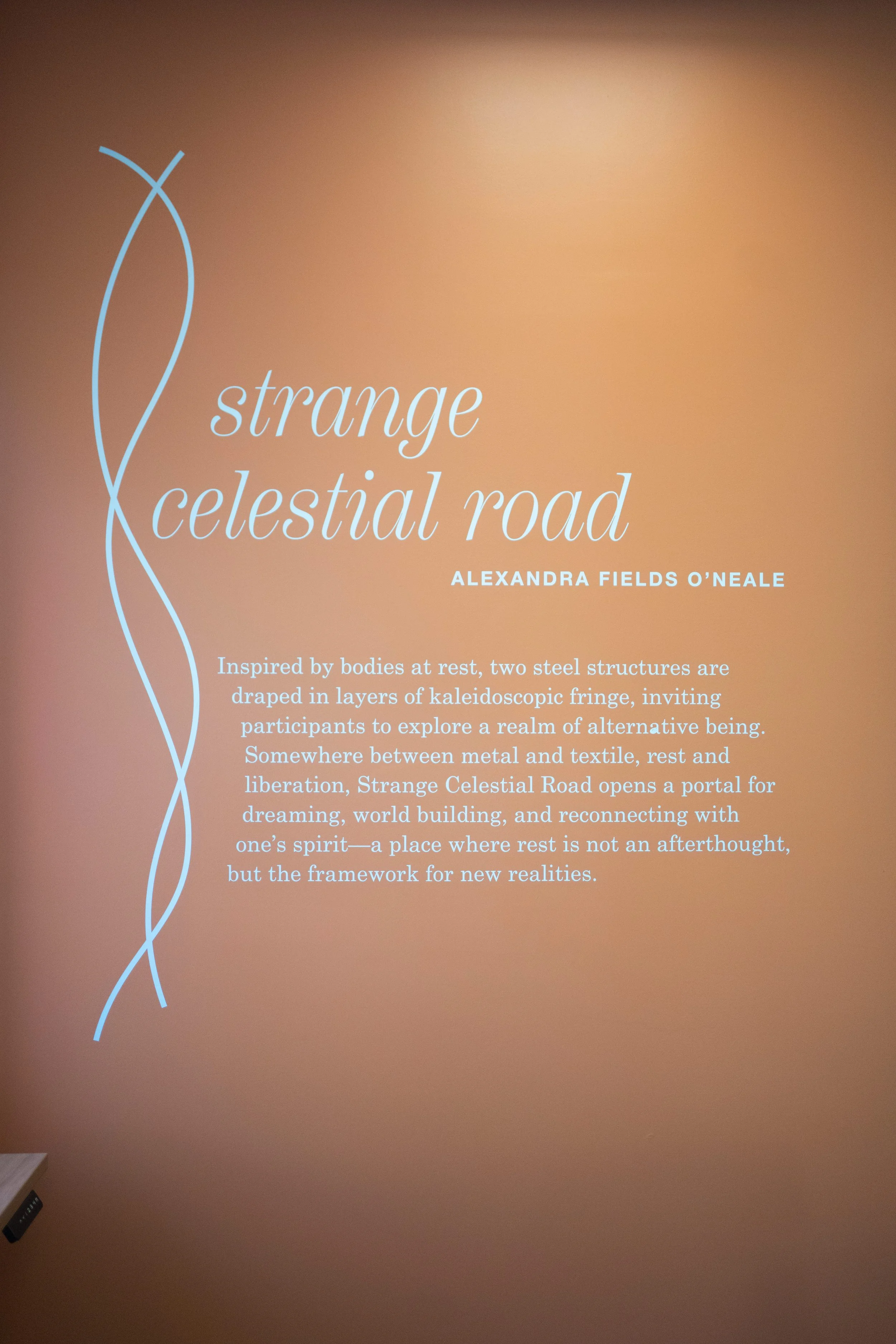
The curatorial text reads: "Inspired by bodies at rest, two steel structures are draped in layers of kaleidoscopic fringe, inviting participants to explore a realm of alternative being. Somewhere between metal and textile, rest and liberation, Strange Celestial Road opens a portal for dreaming, world-building, and reconnecting with one’s spirit—a place where rest is not an afterthought but the framework for new realities."
What new realities emerge when rest becomes the foundation of our physical, metaphysical, and collective practice?
Rest is the roadmap—a guiding force, a truth-teller.
—Tricia Hersey
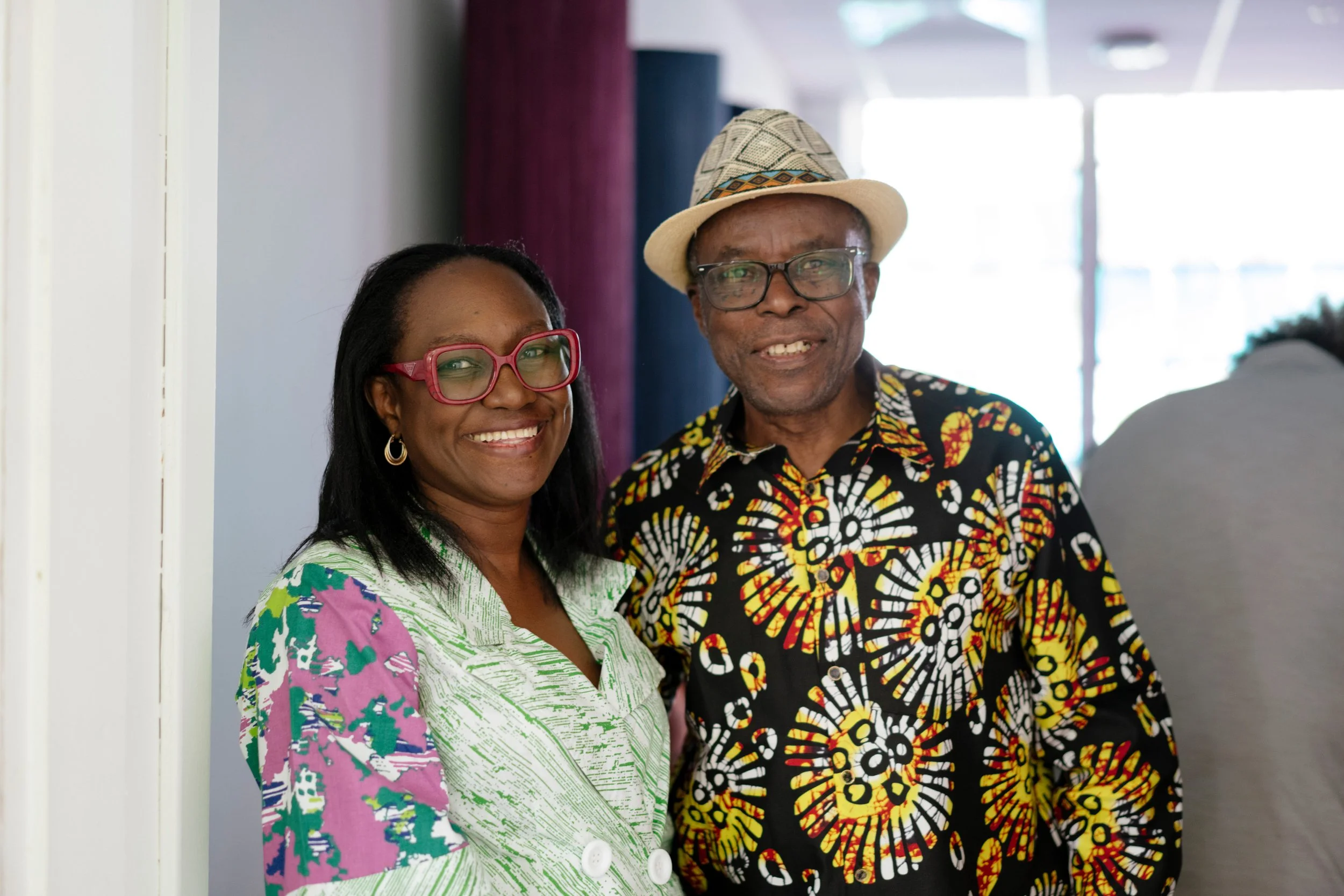
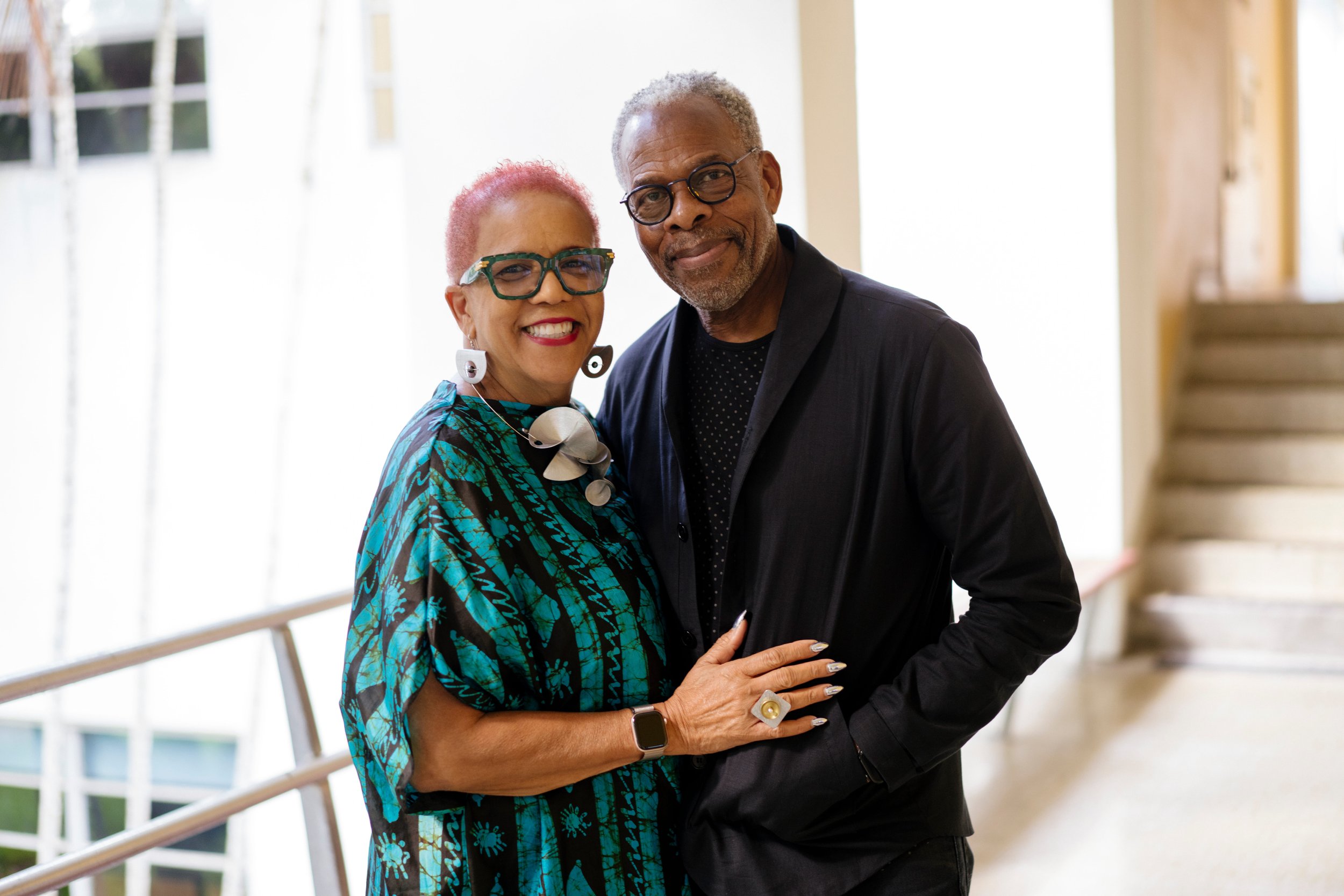
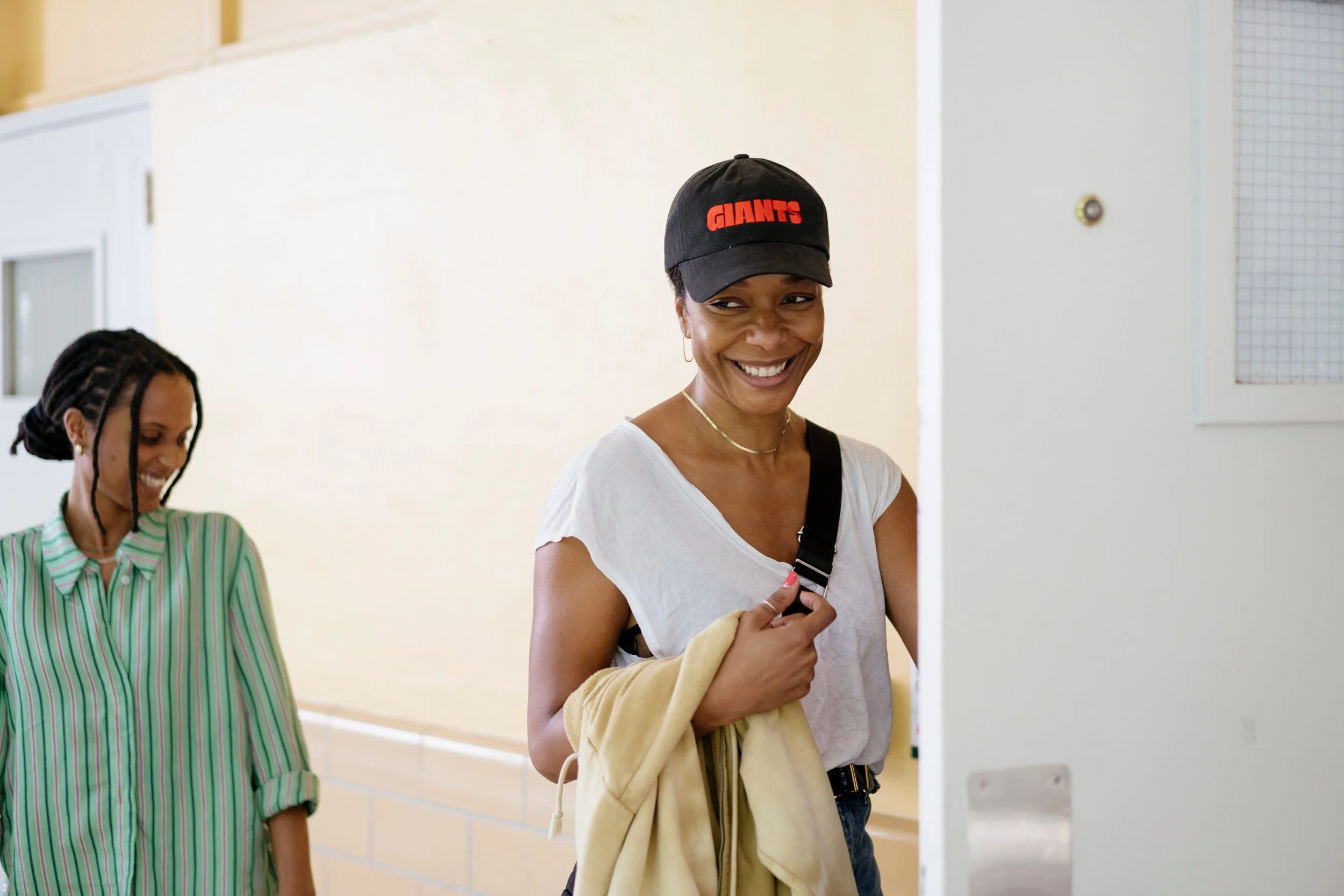
CGBS Interim Co-Directors, Dr. Sophia George and Dr. Edmund Abaka, photography by Gesi Schilling
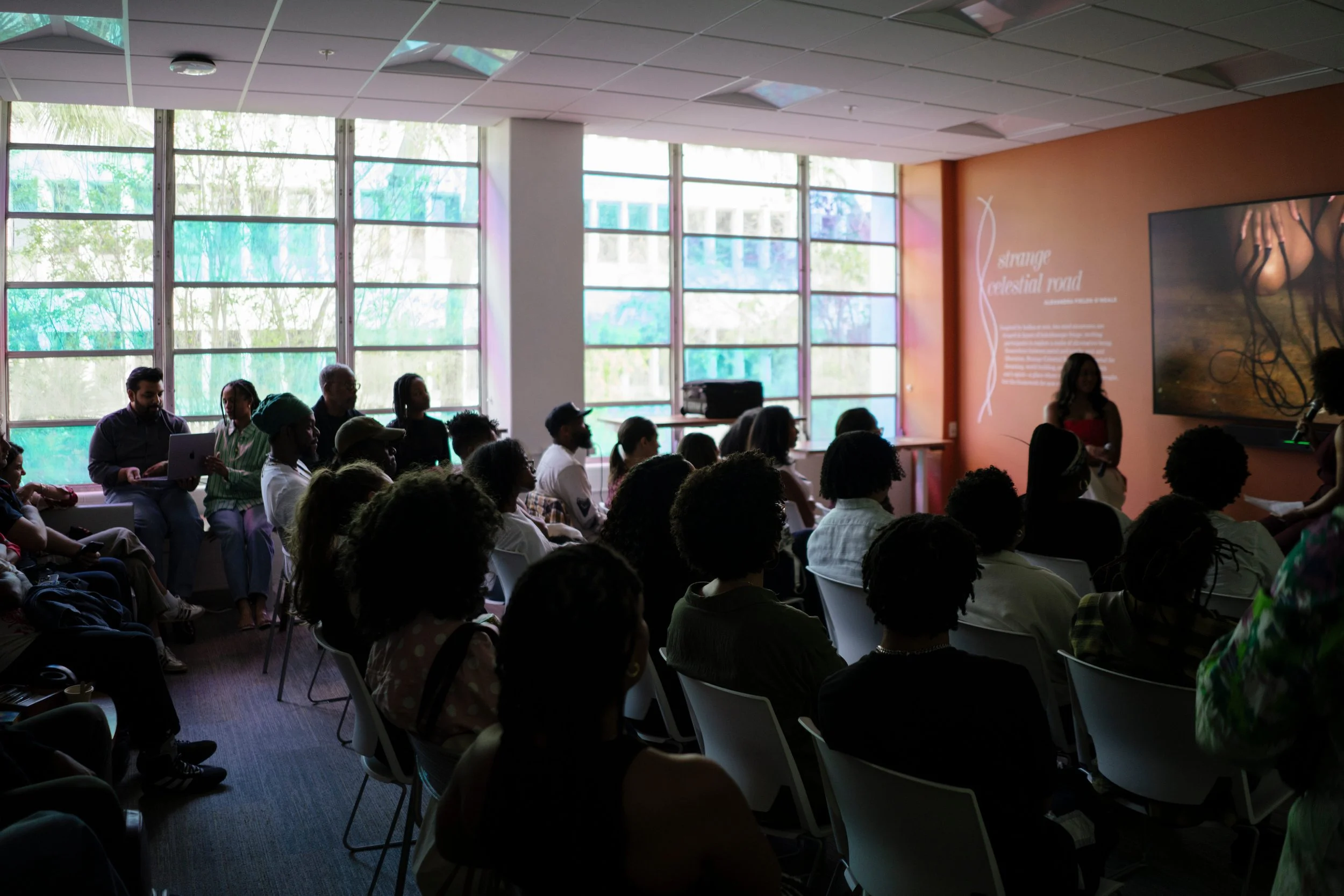
Theorizing Black Rest at CGBS, photography by Gesi Schilling
O'Neale shared, "I was honored to be invited to create a space that focused on rest and collective imagining. My goal was to create a kinetic exhibition that transports the viewer to a place of restoration, dreaming, and reclaiming space. I wanted to explore the fluidity of black bodies, highlighting the beauty of bodies in stillness and what emerges when we give ourselves permission to rest. The story of color and texture in the exhibition guides viewers through the Strange Celestial Road. The exhibition is a portal and a space for imagination."
Audience participation is invited with a vinyl record player and albums by Sun Ra and Alice Coltrane. Additionally, a micro-library showcases authors such as Tricia Hersey and Alexis Pauline Gumbs, whom Carrington had the honor of interviewing as an advisory council member of the New York University Center for Black Visual Culture’s (CBVC) The Black Rest Project.
”If Dr. Francis’s intervention about Miami and its waterways grounded my thinking about the CGBS as a space for reflection and imagination, The Black Rest Project with CBVC offered the contours of what my curatorial framework for our exhibition could be,” explained Carrington.
During the Black Miami and Urban Coastal Transformations workshop, Professor Francis set the intention: "My hope is that our time together productively meets at the intersection of the generative and the restorative." From this thread—the generative and restorative—is a learning that neither is possible without rest and community.
Strange Celestial Road is an attempt to offer the spatial conditions for people to deepen in personal and collective reflection. It is a place to feel at ease, one that we have created together.
Strange Celestial Road
On view through May 2027
Center for Global Black Studies
Merrick Building, Conference Room 306
University of Miami
5202 University Drive, Coral Gables
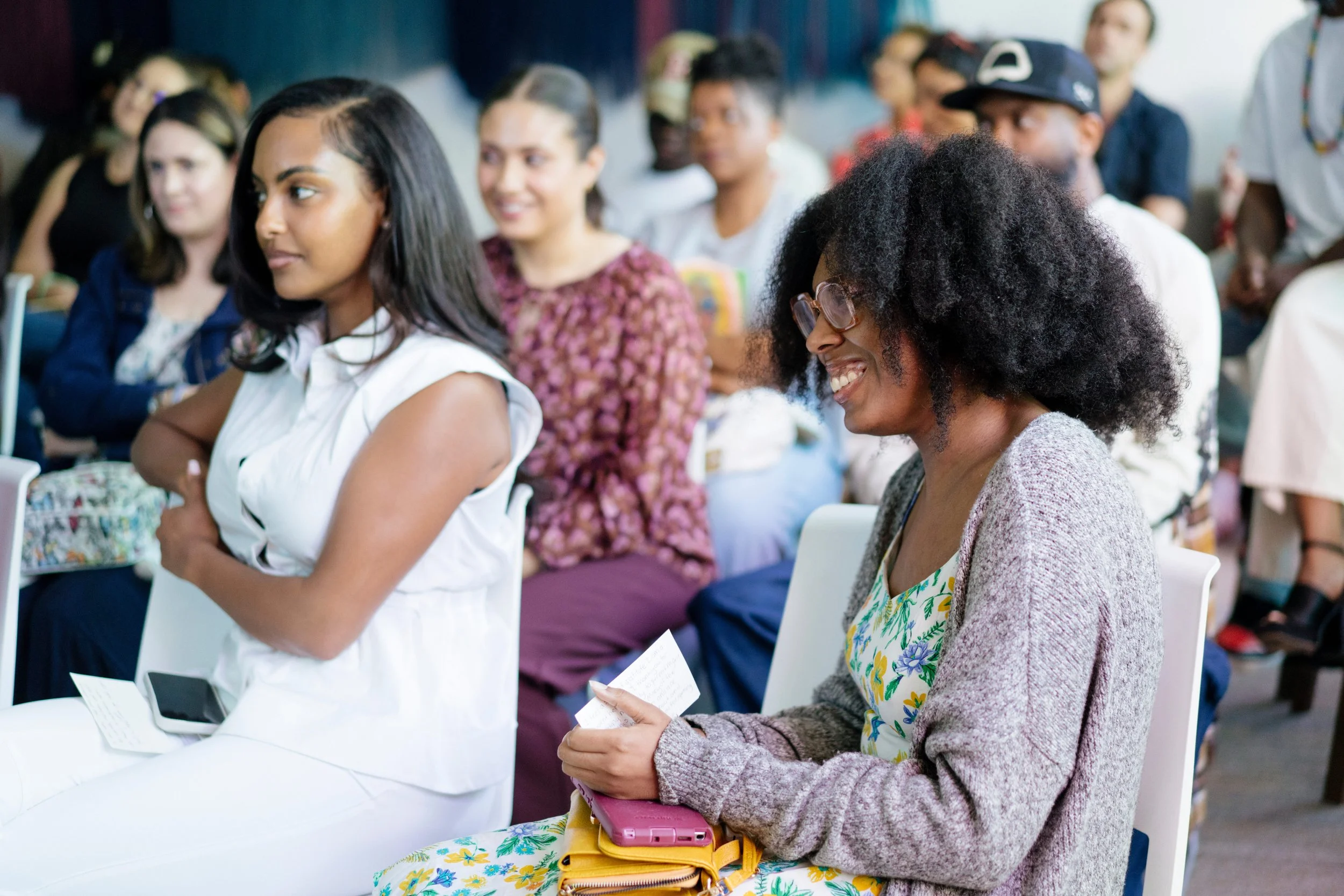
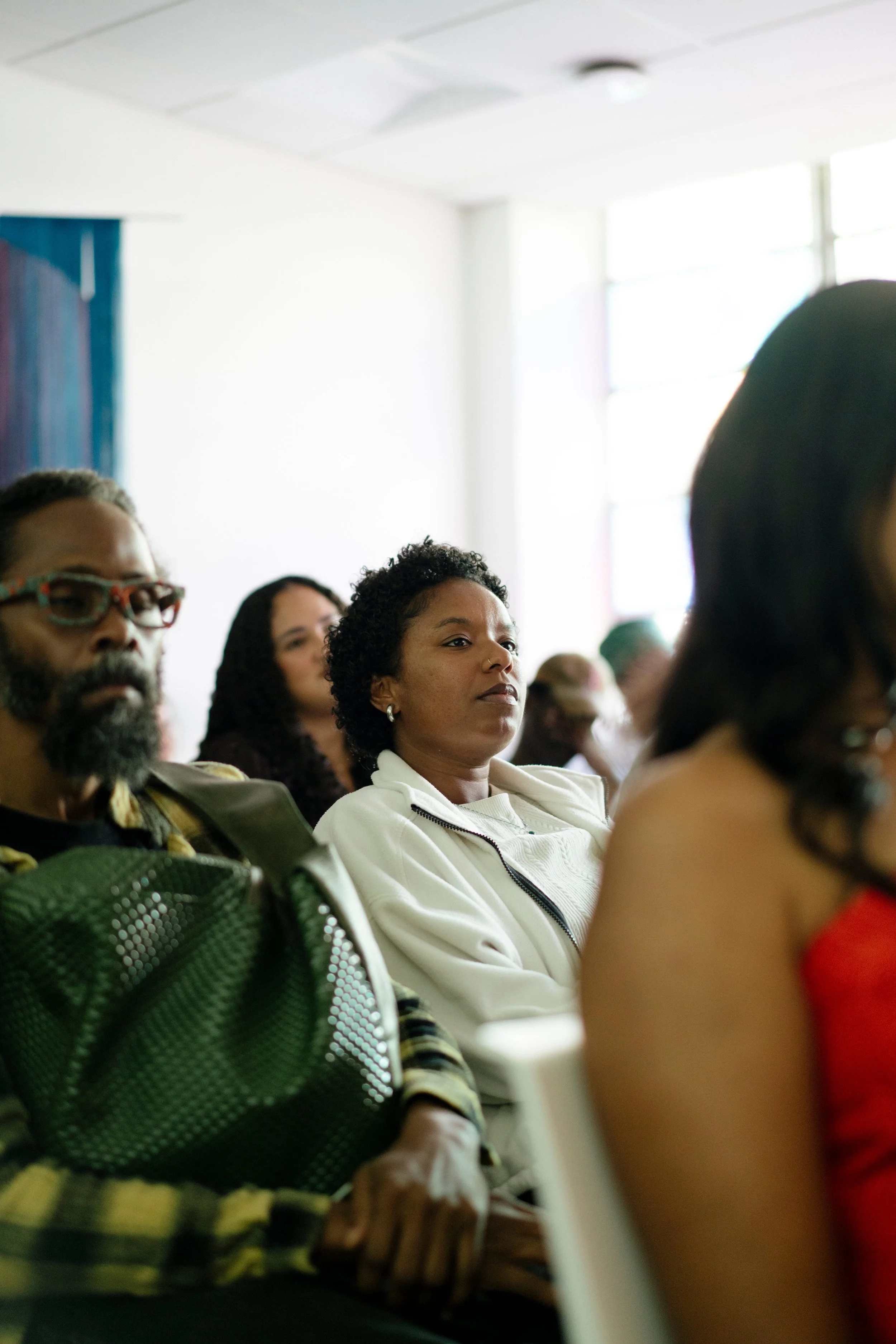
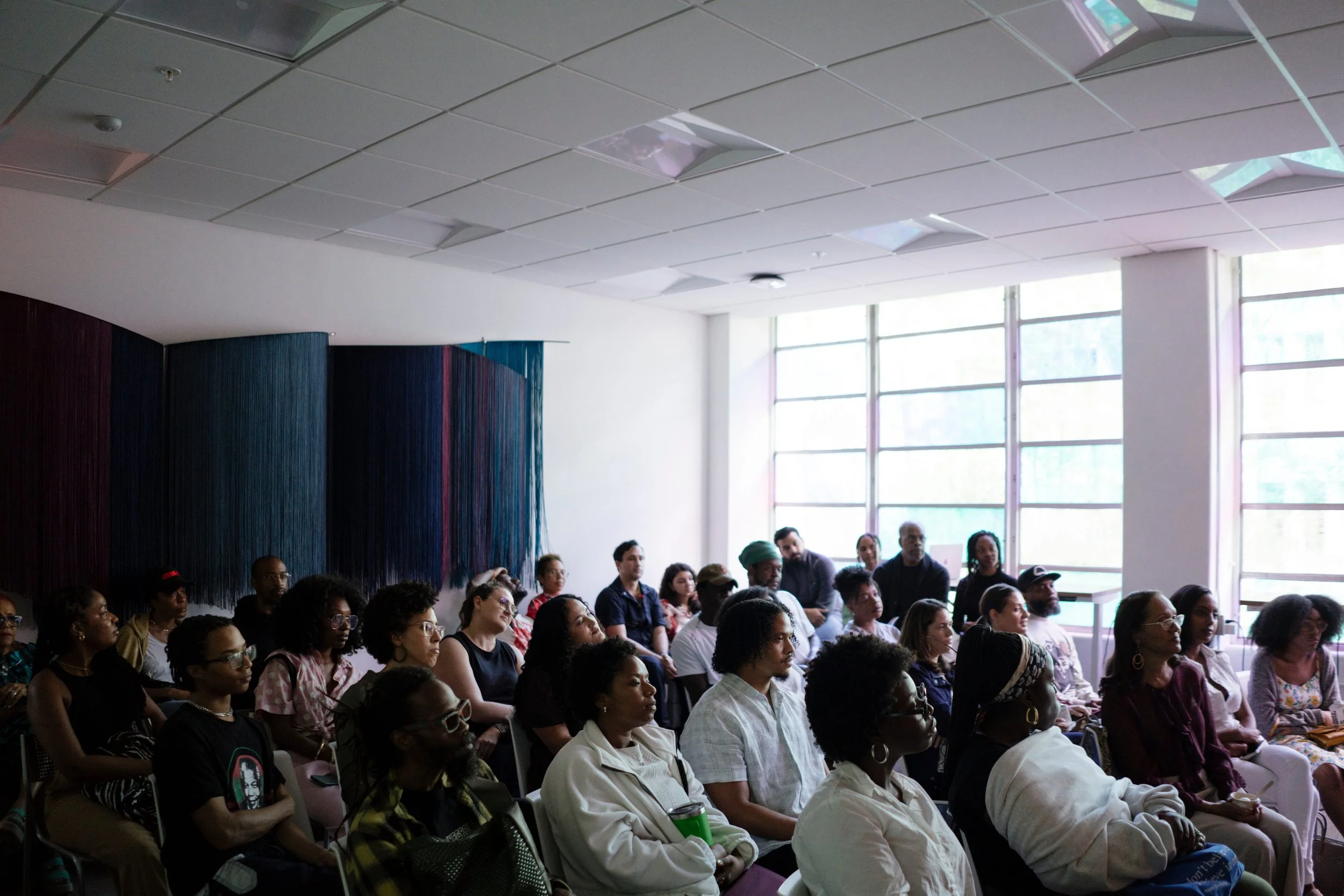
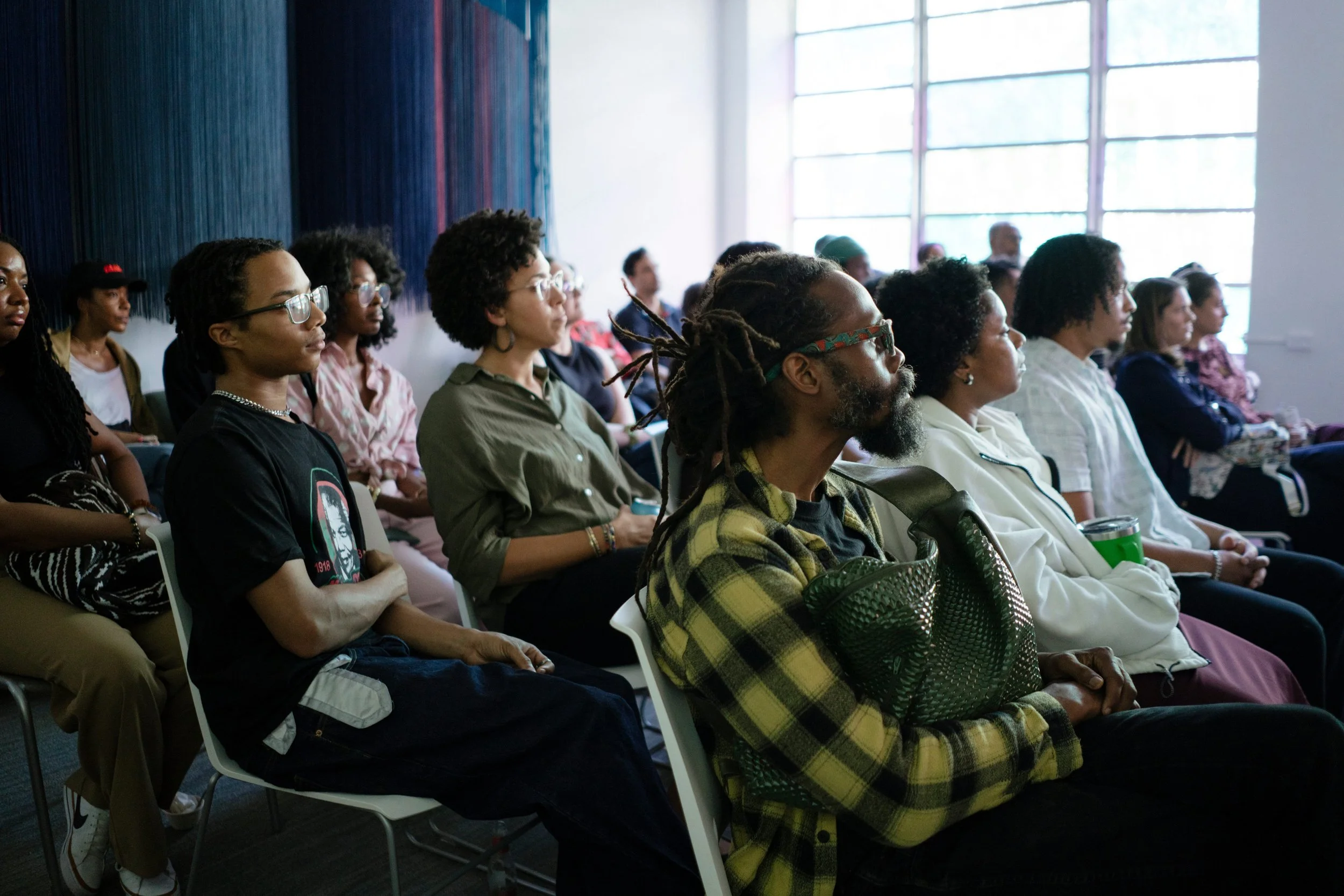
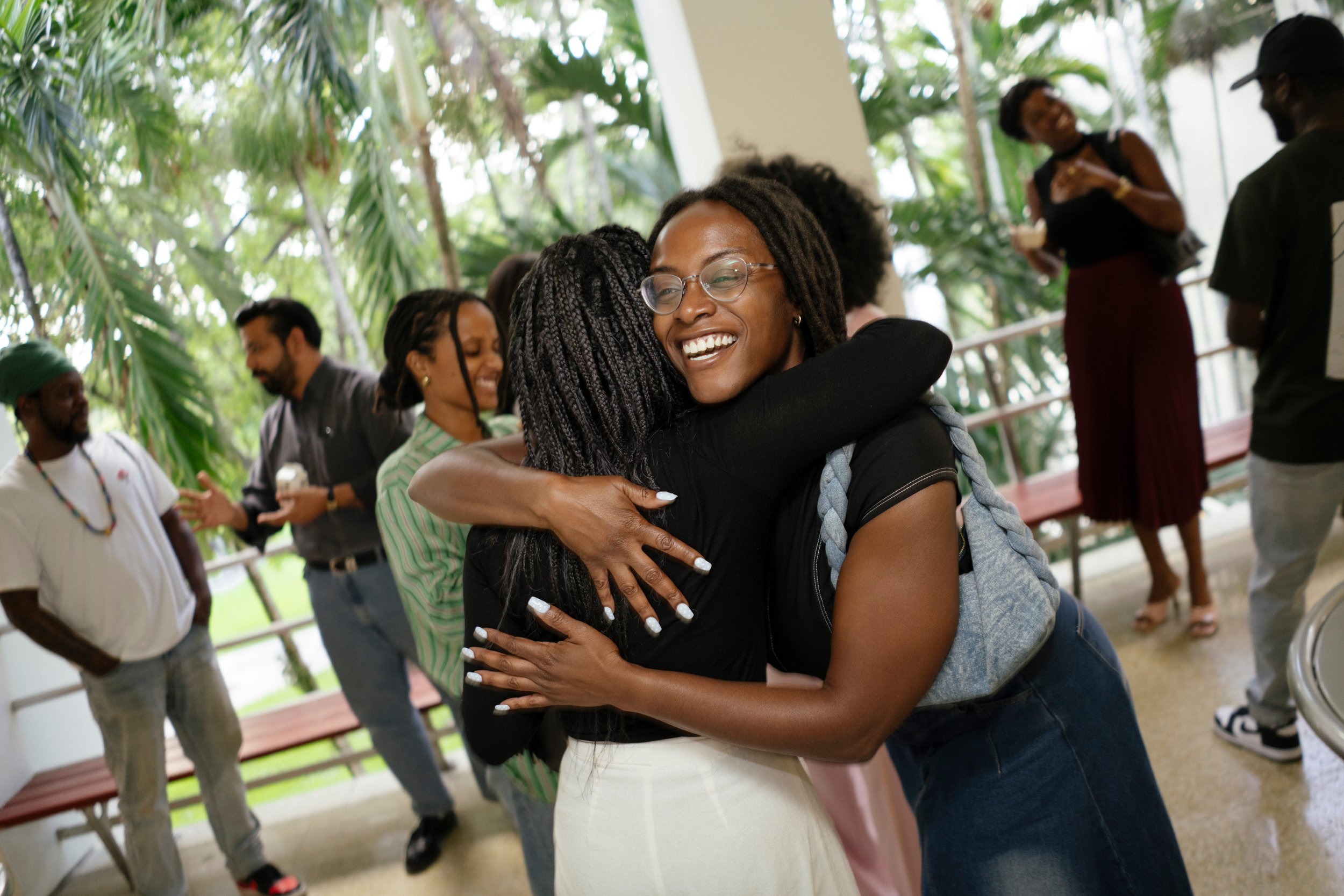
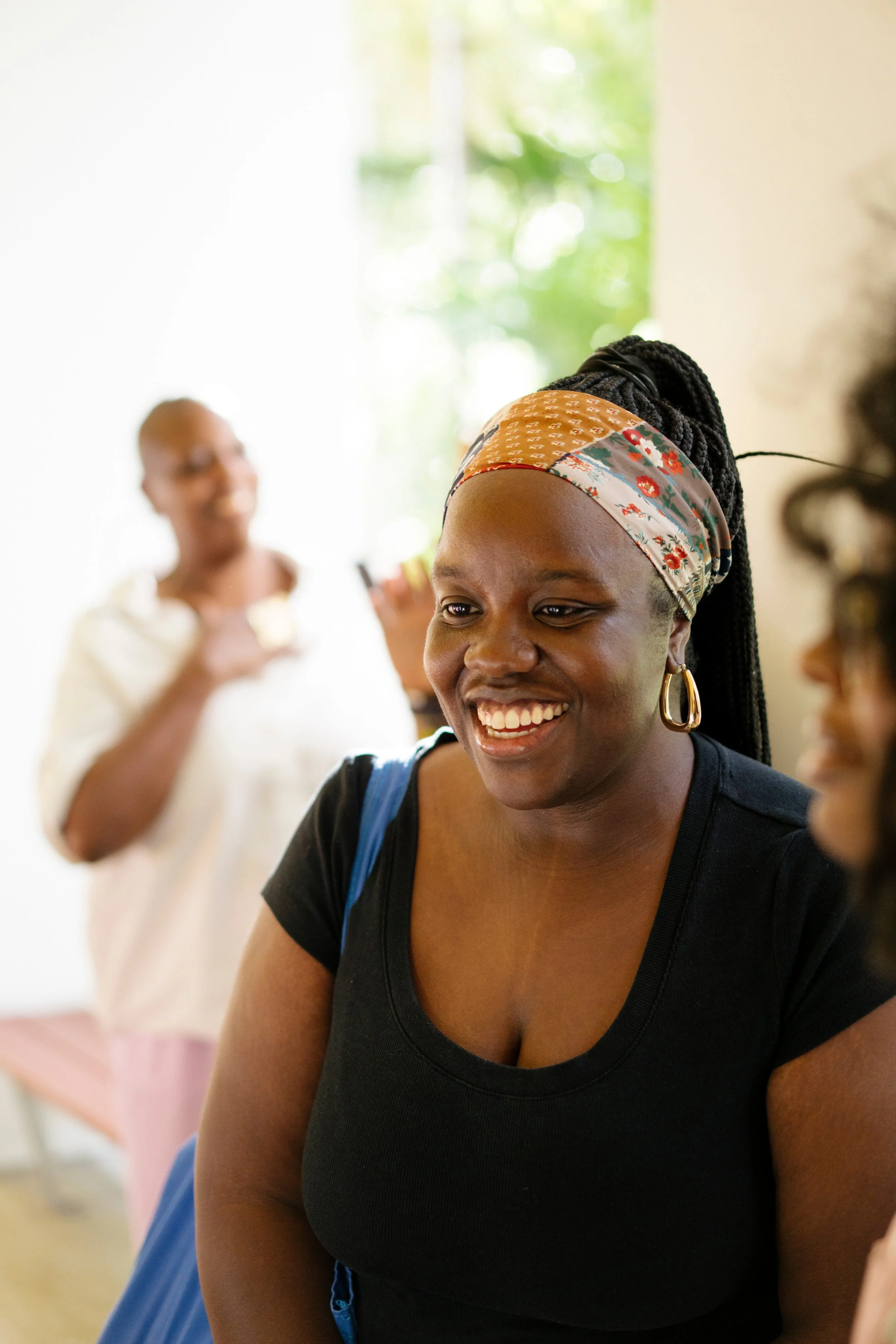
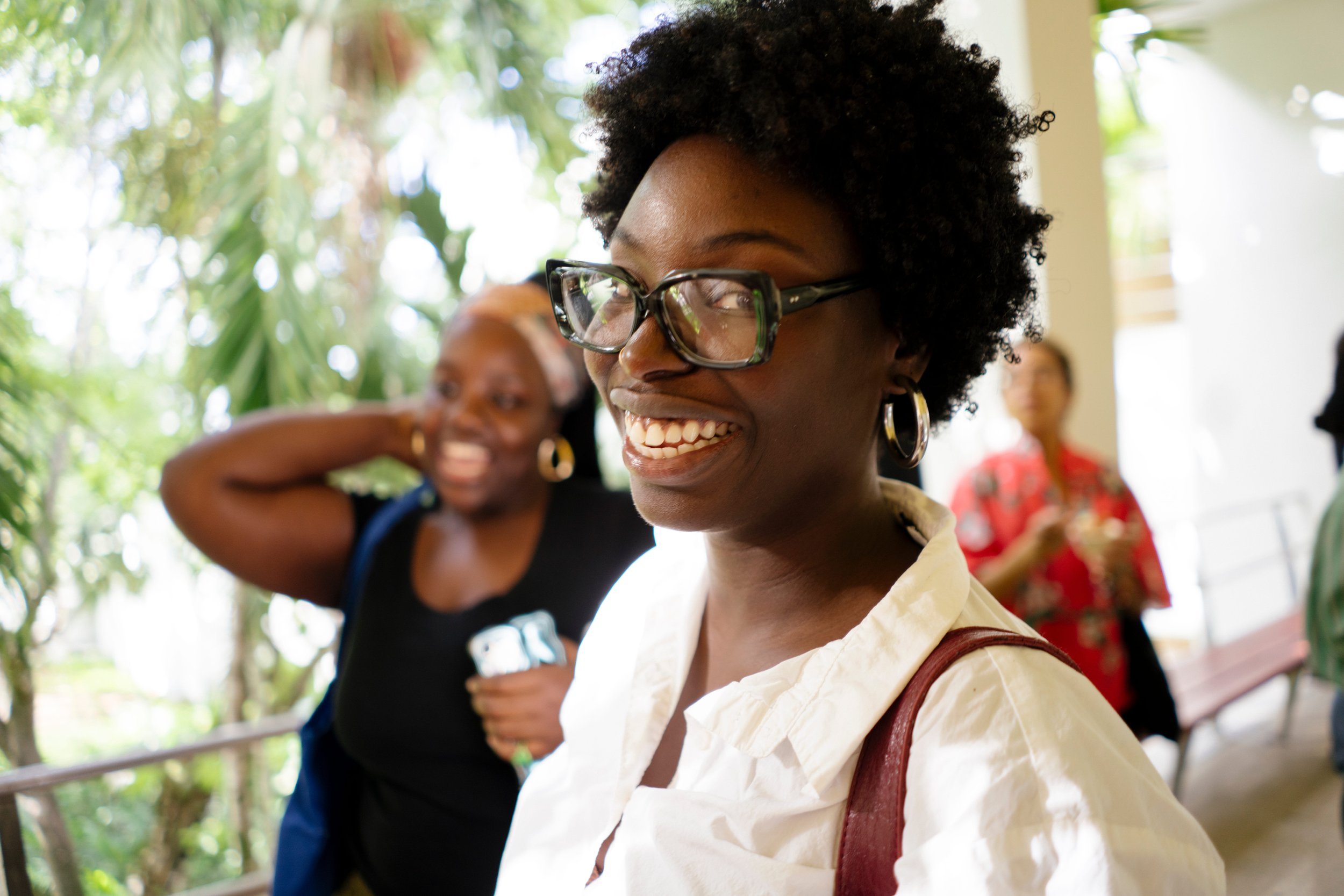
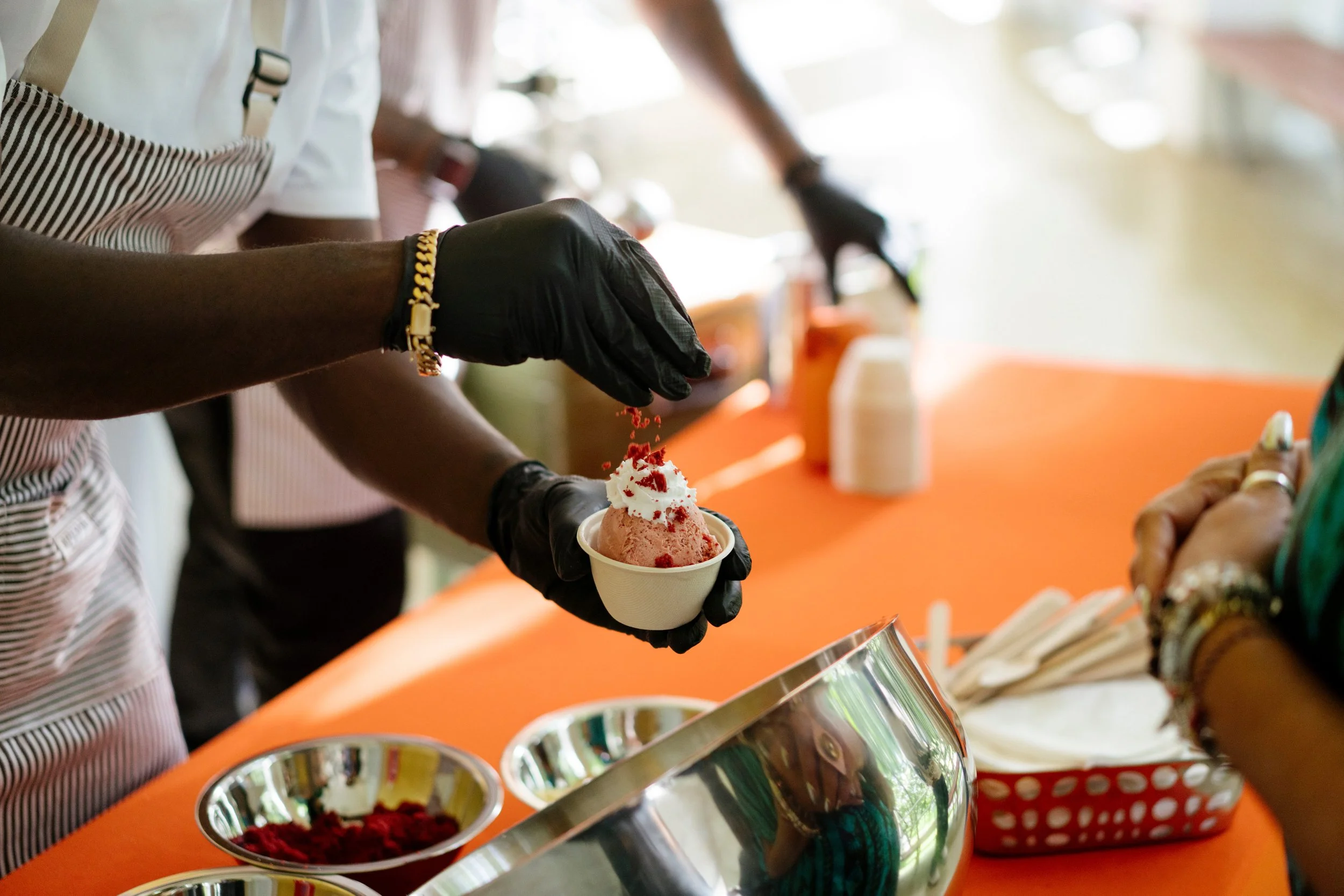
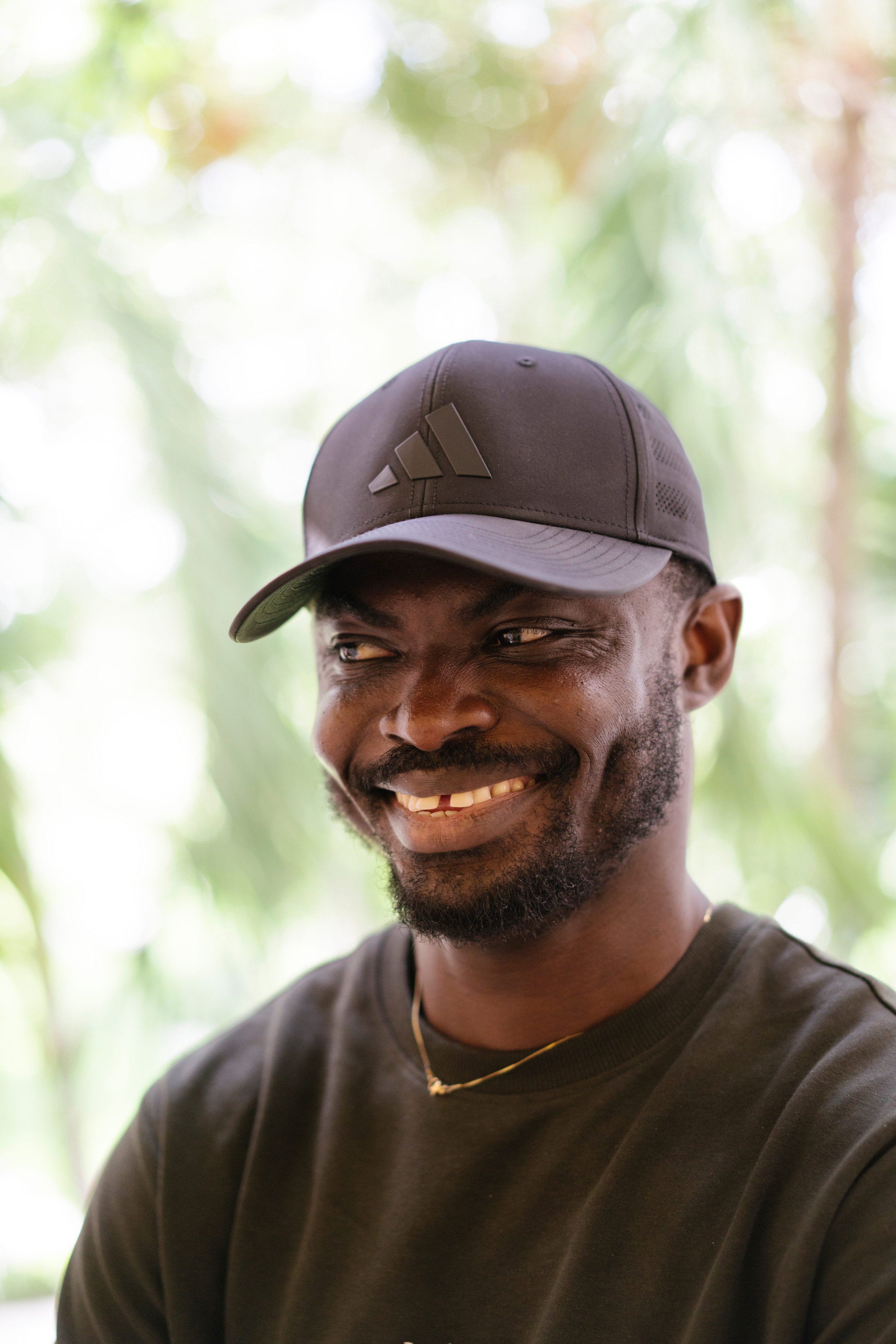
Ever thankful for Dr. Mysia Anderson-White, Assistant Professor of Black Performance Theory in the Department of Theatre and Dance at the University of California, San Diego, who generously guided our conversation with O’Neale, and to all who joined the joyful gathering on April 10 at the CGBS at the University of Miami campus.
Photography by Gesi Schilling.
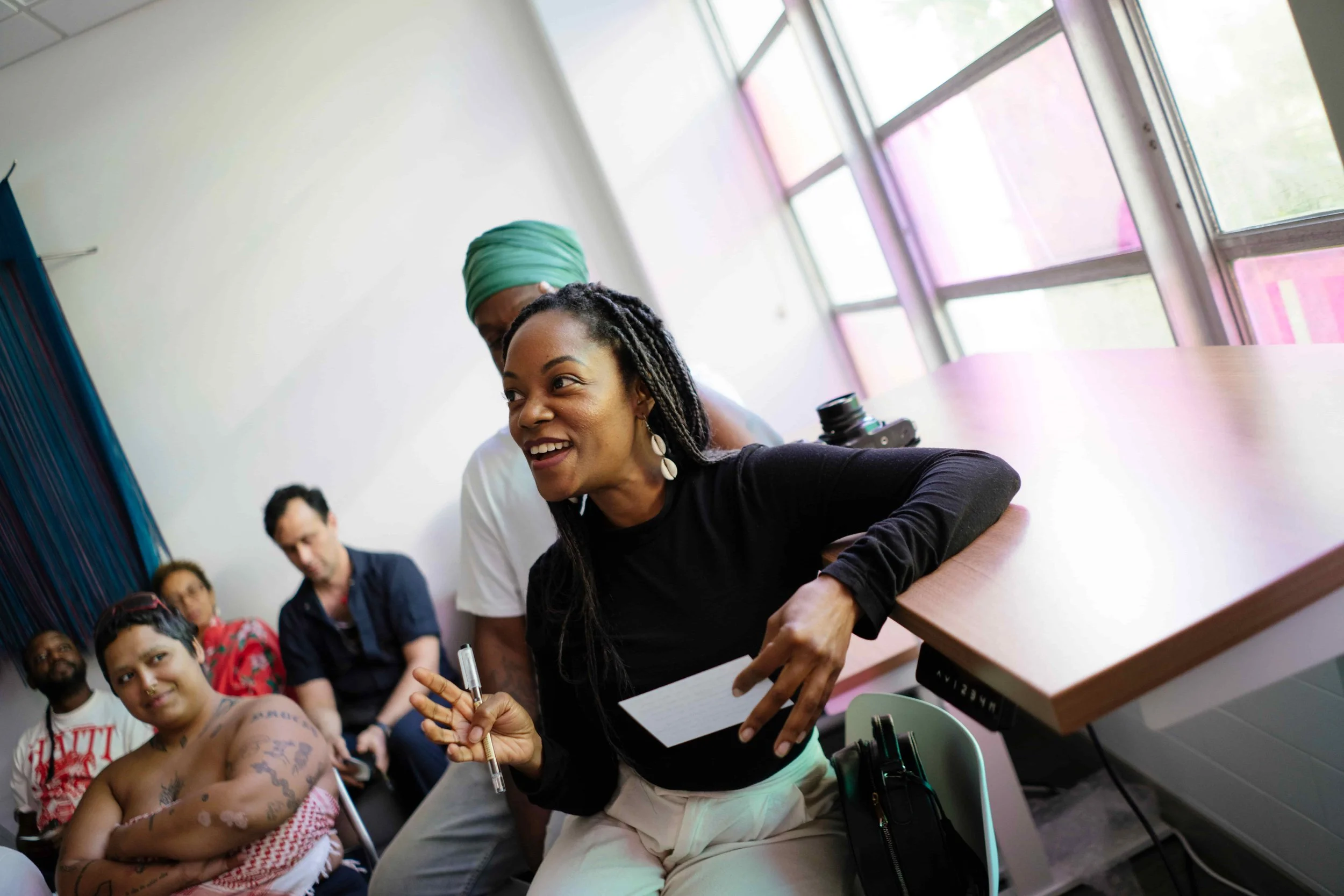
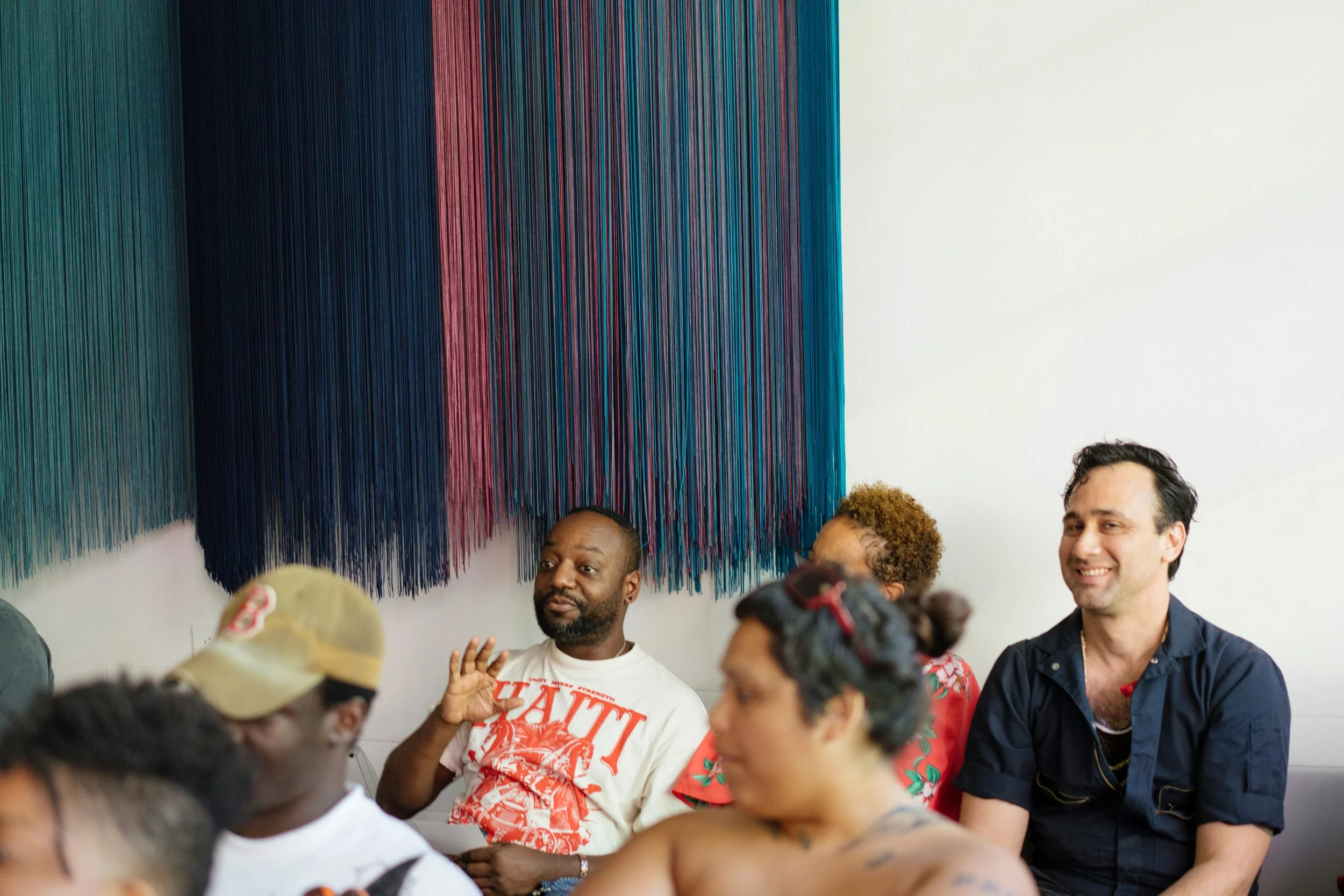
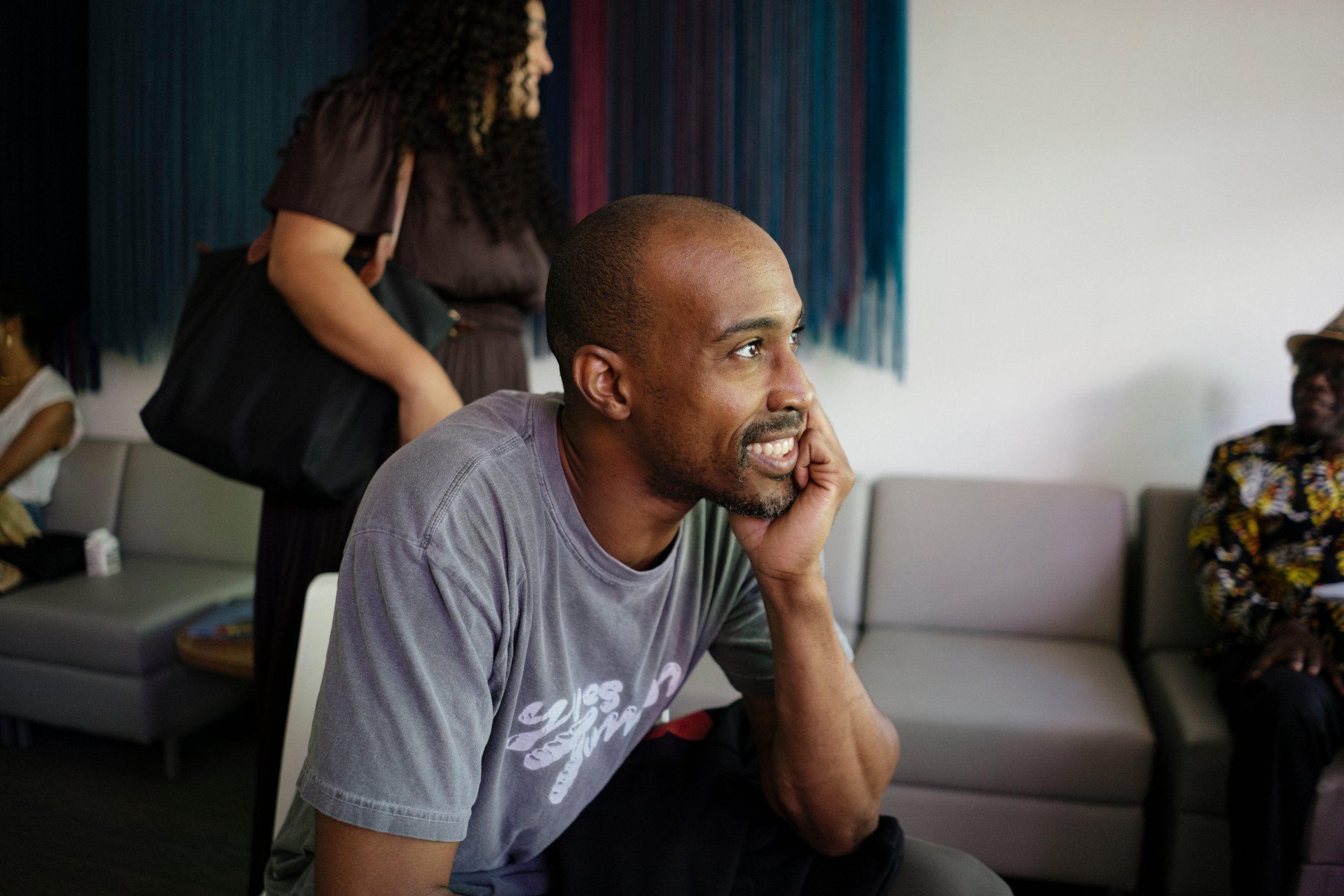
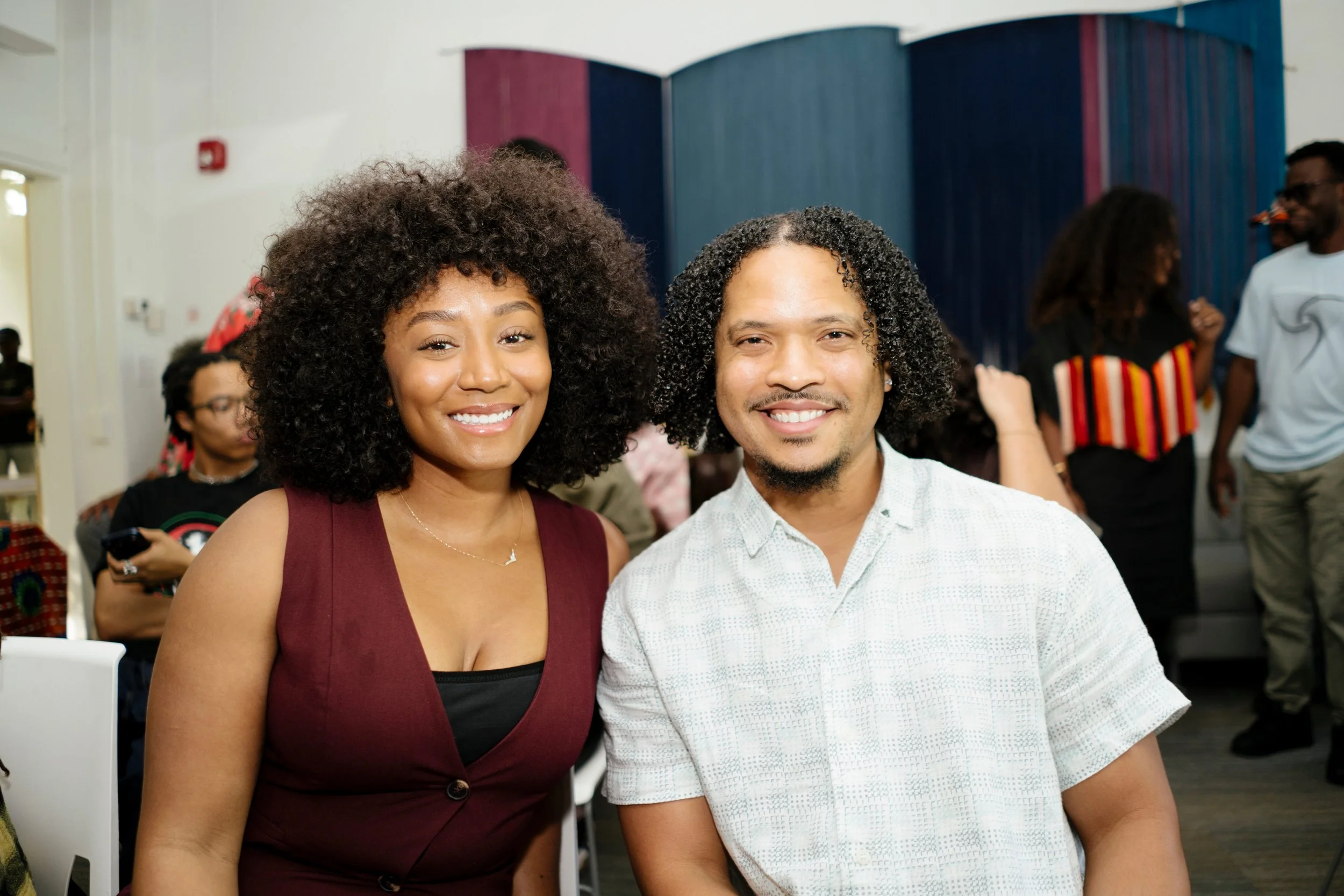
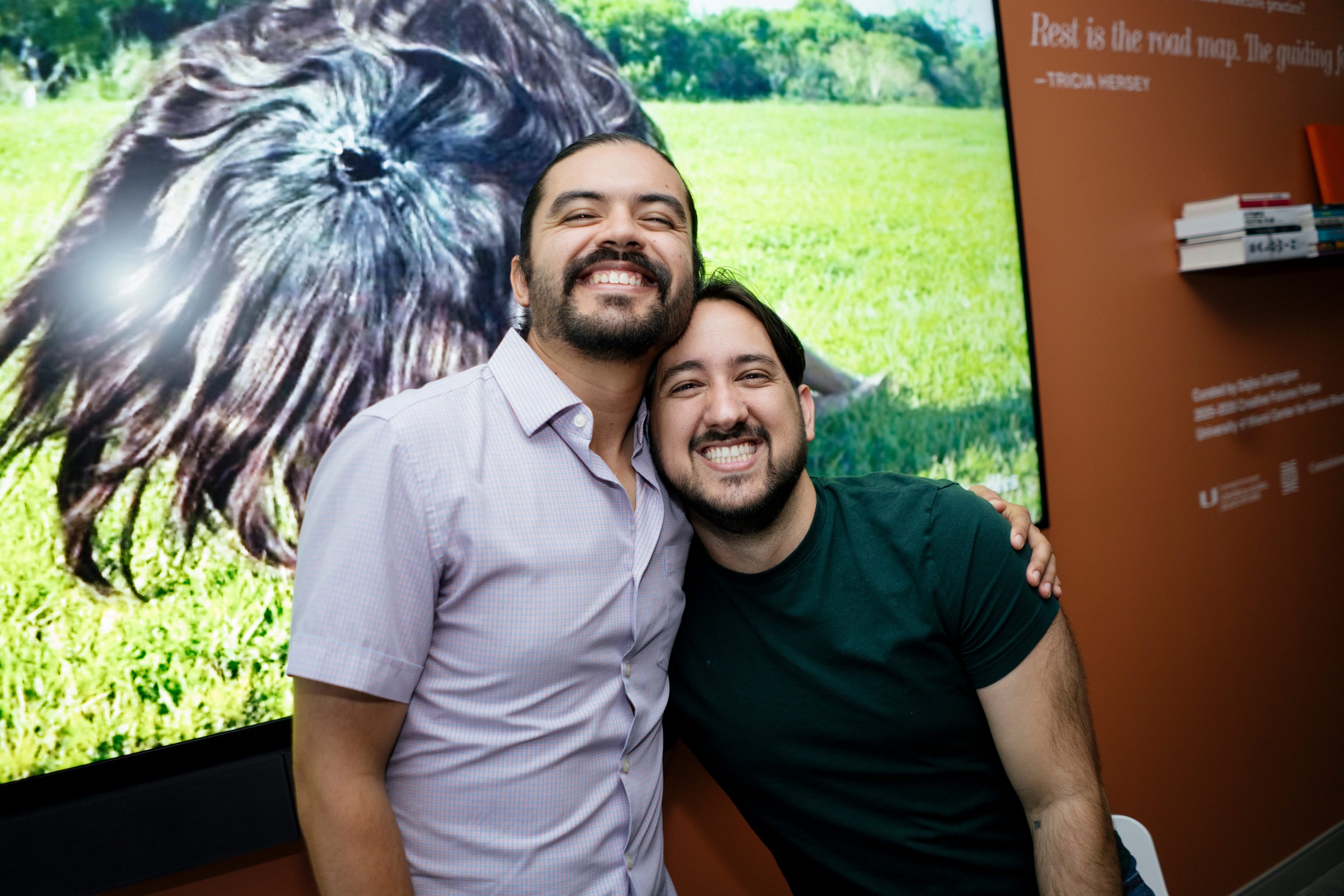
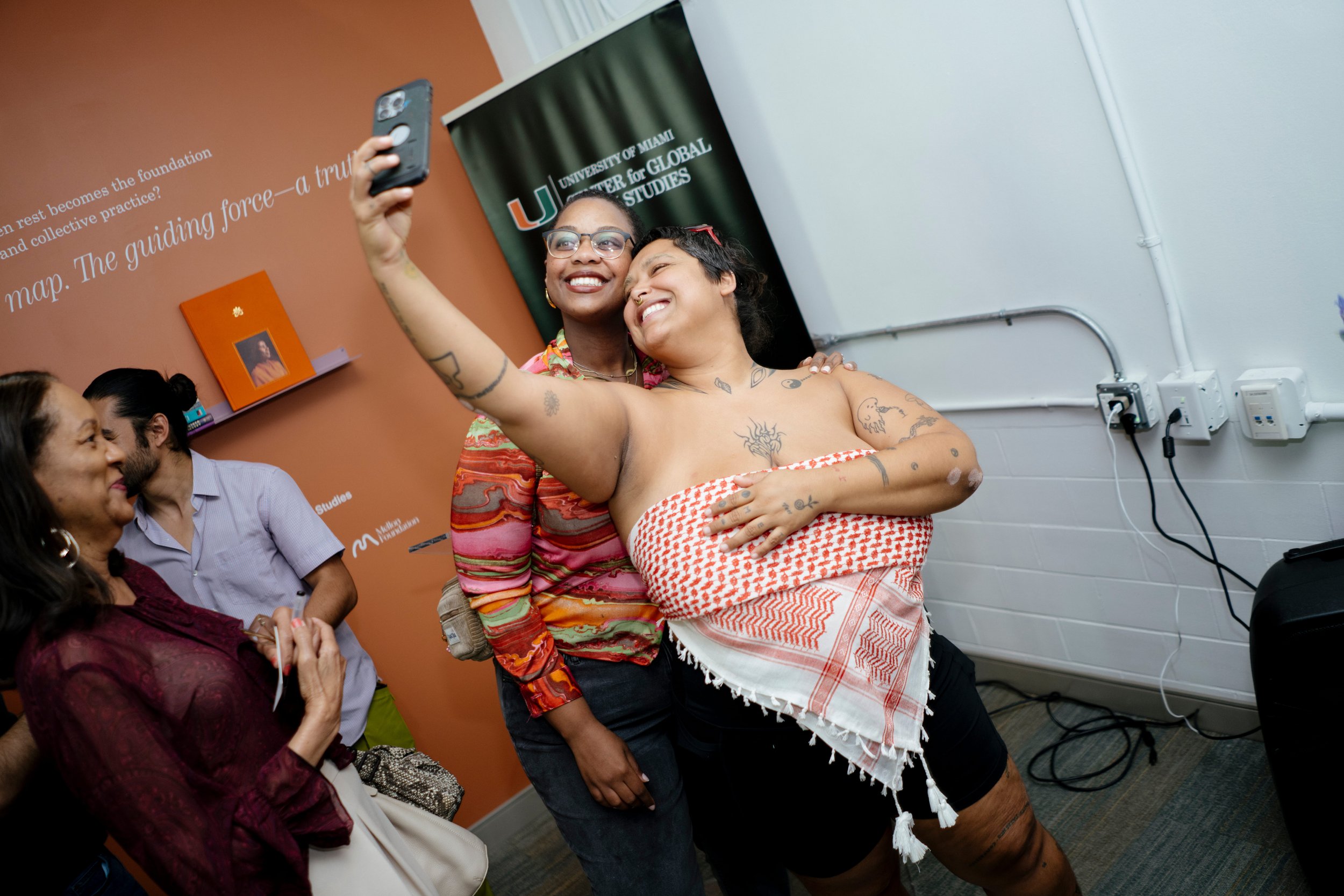
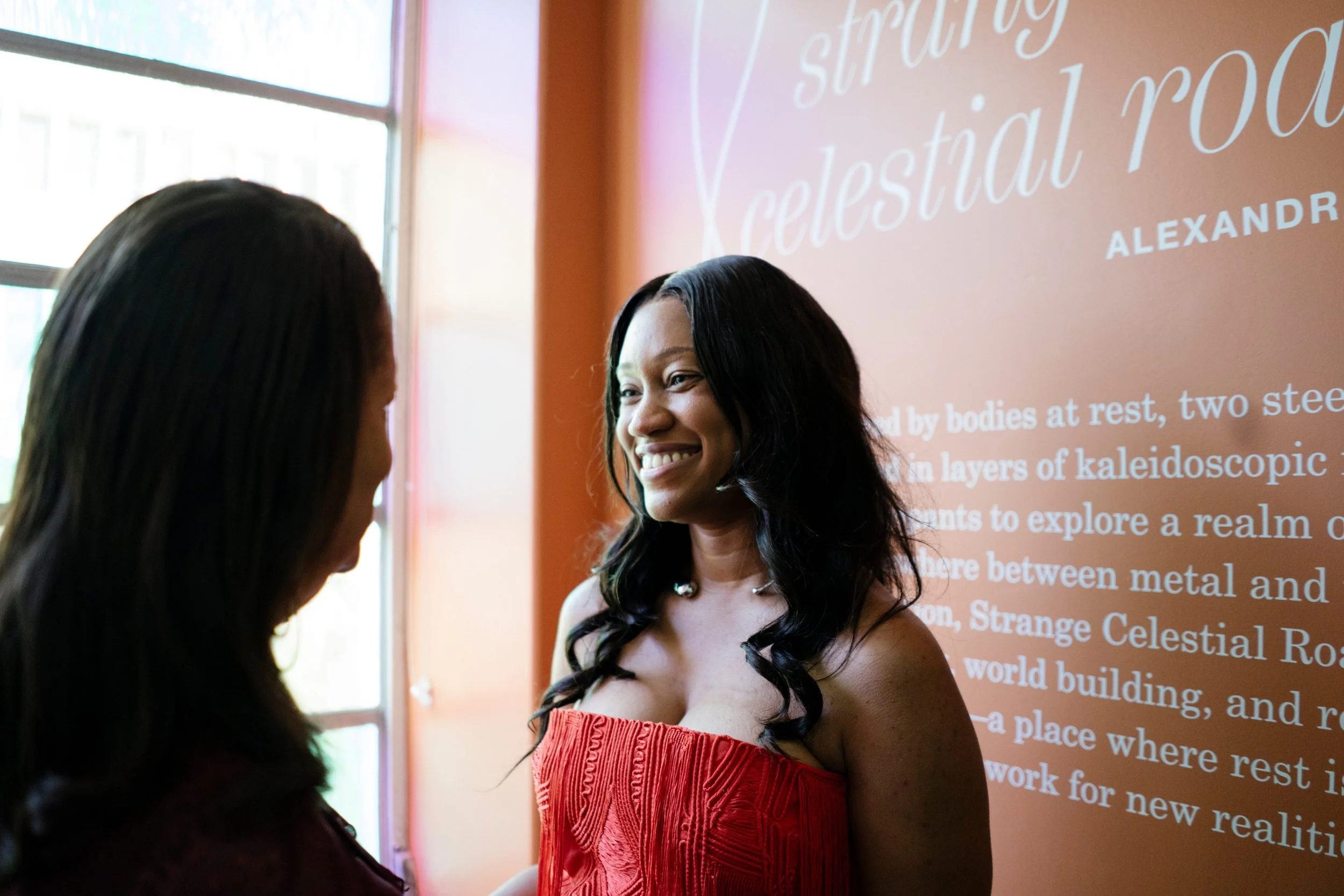
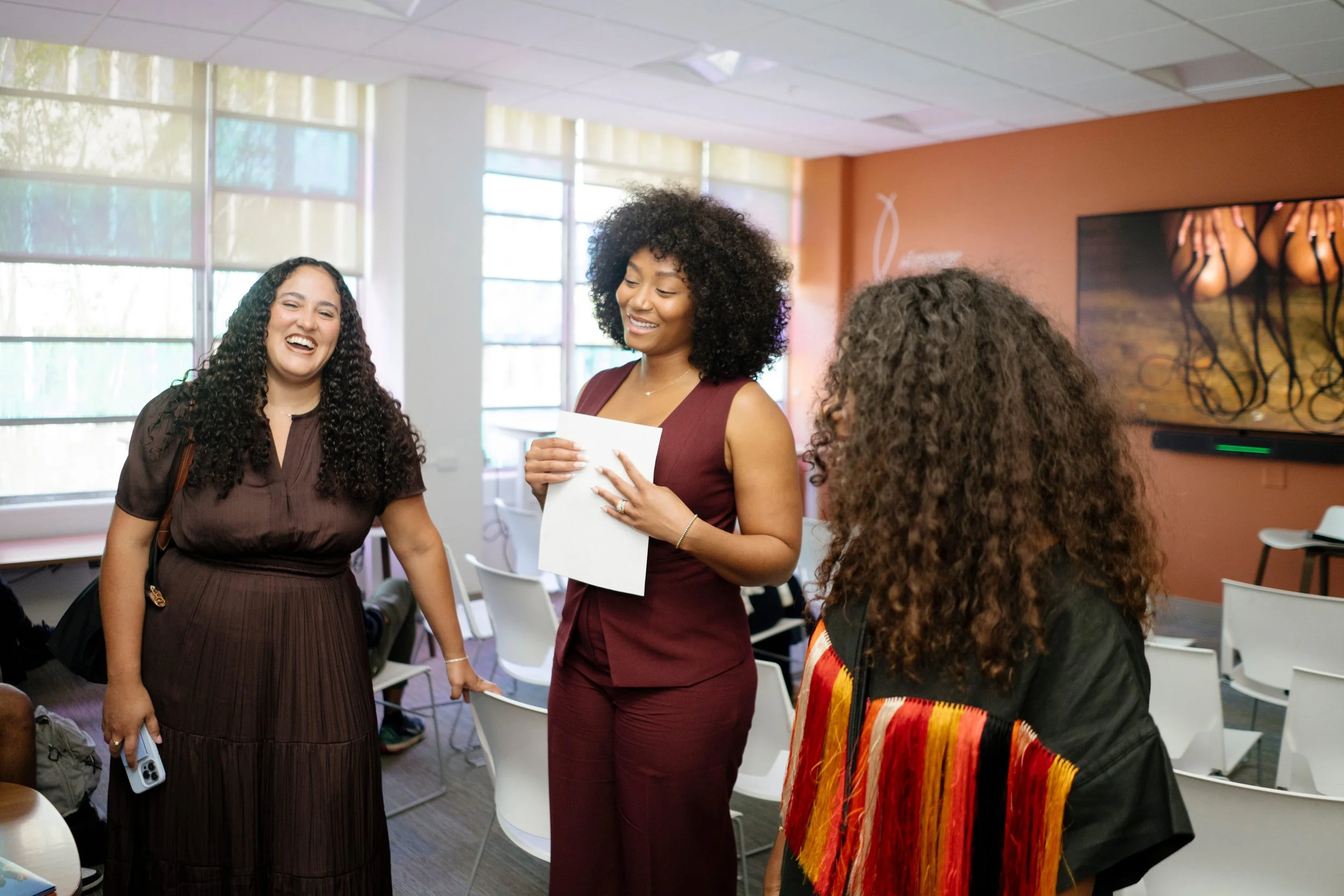
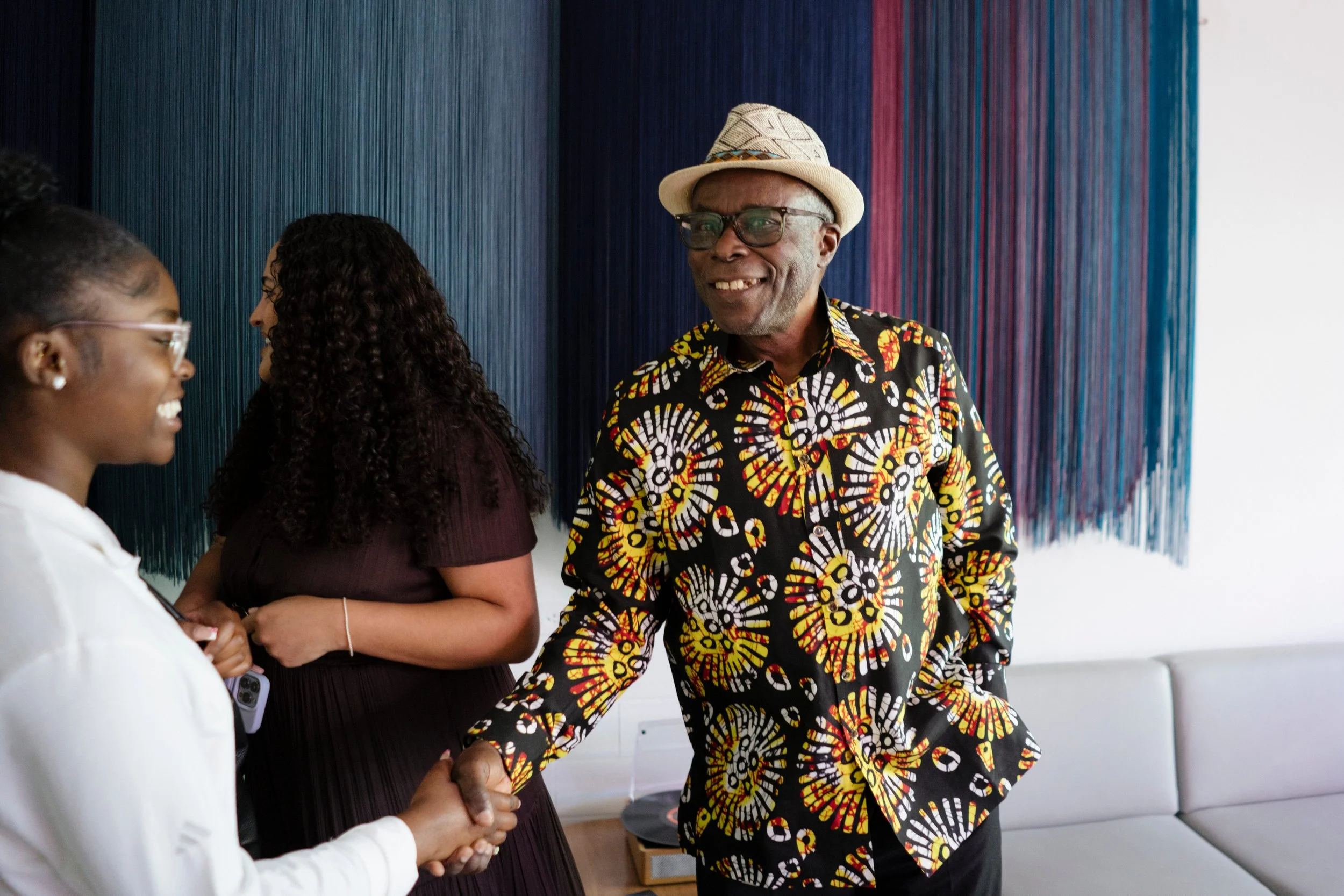
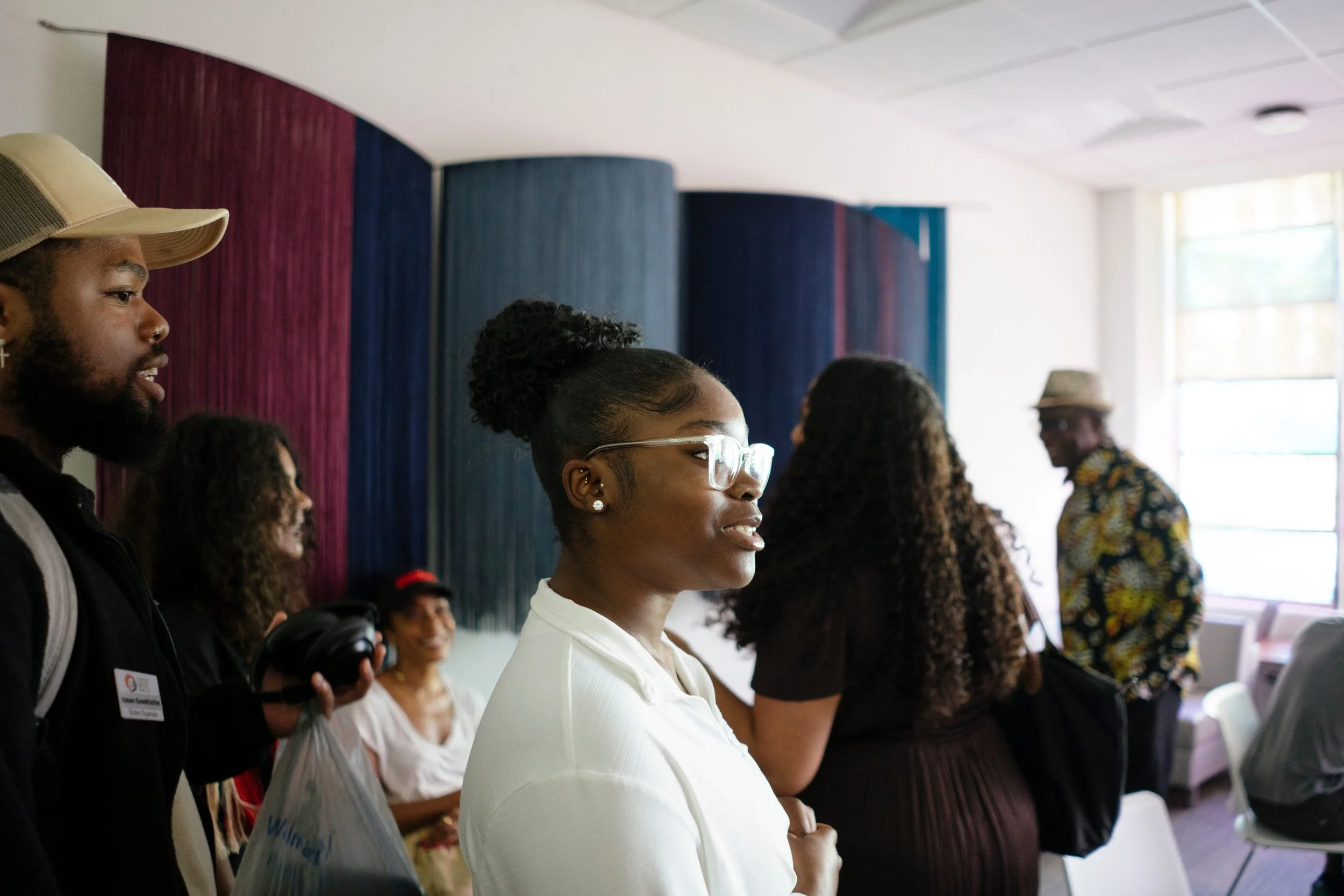
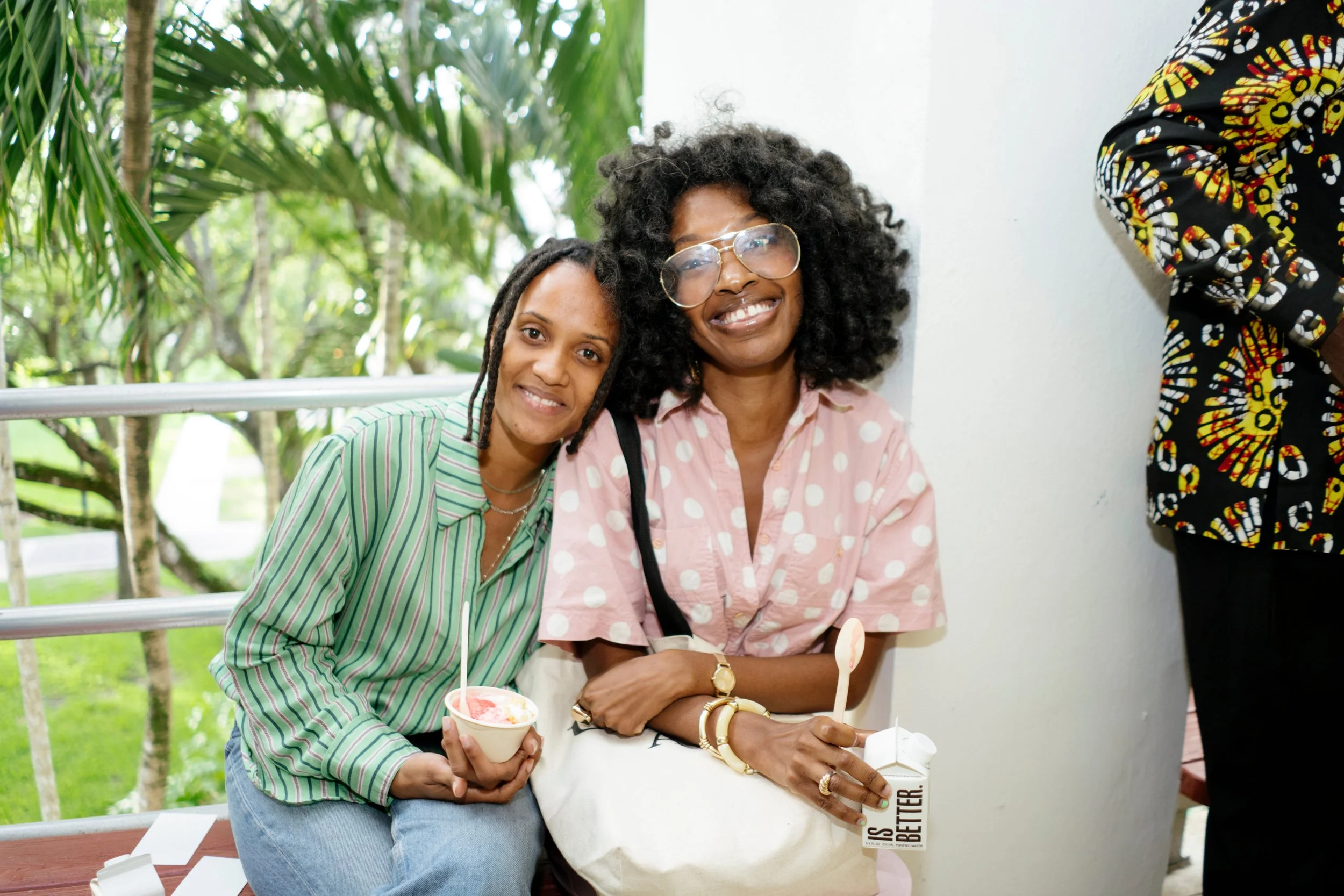
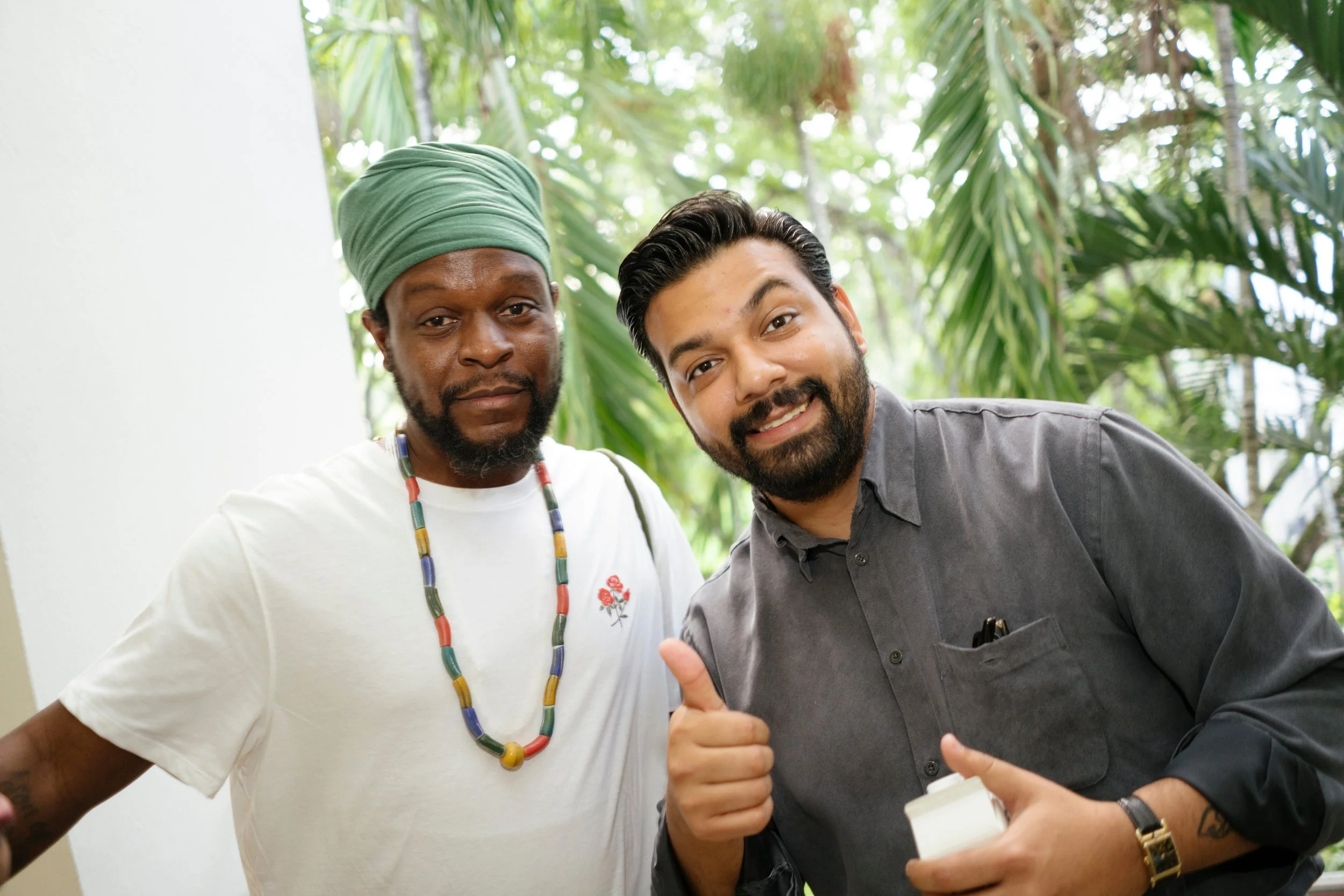
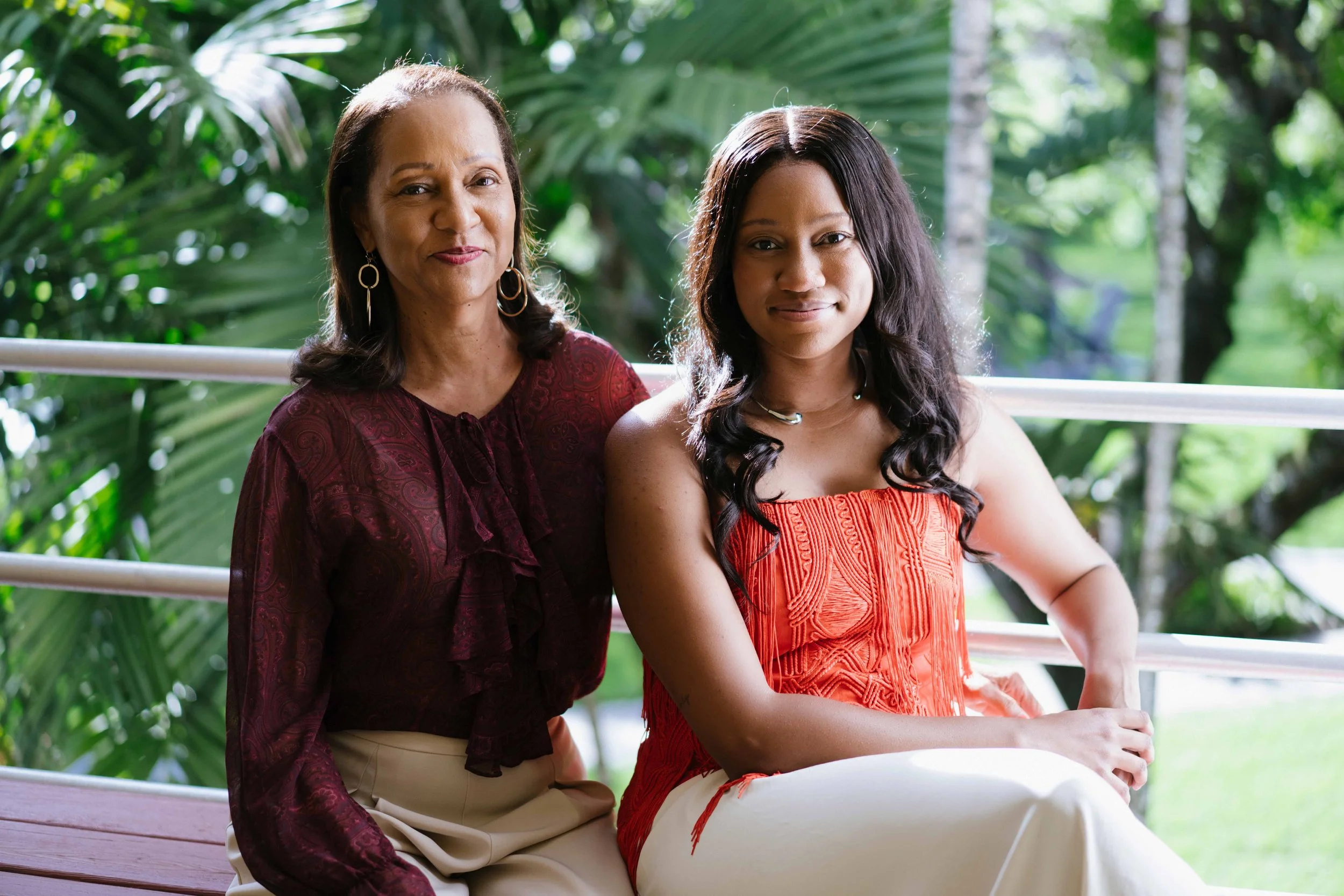
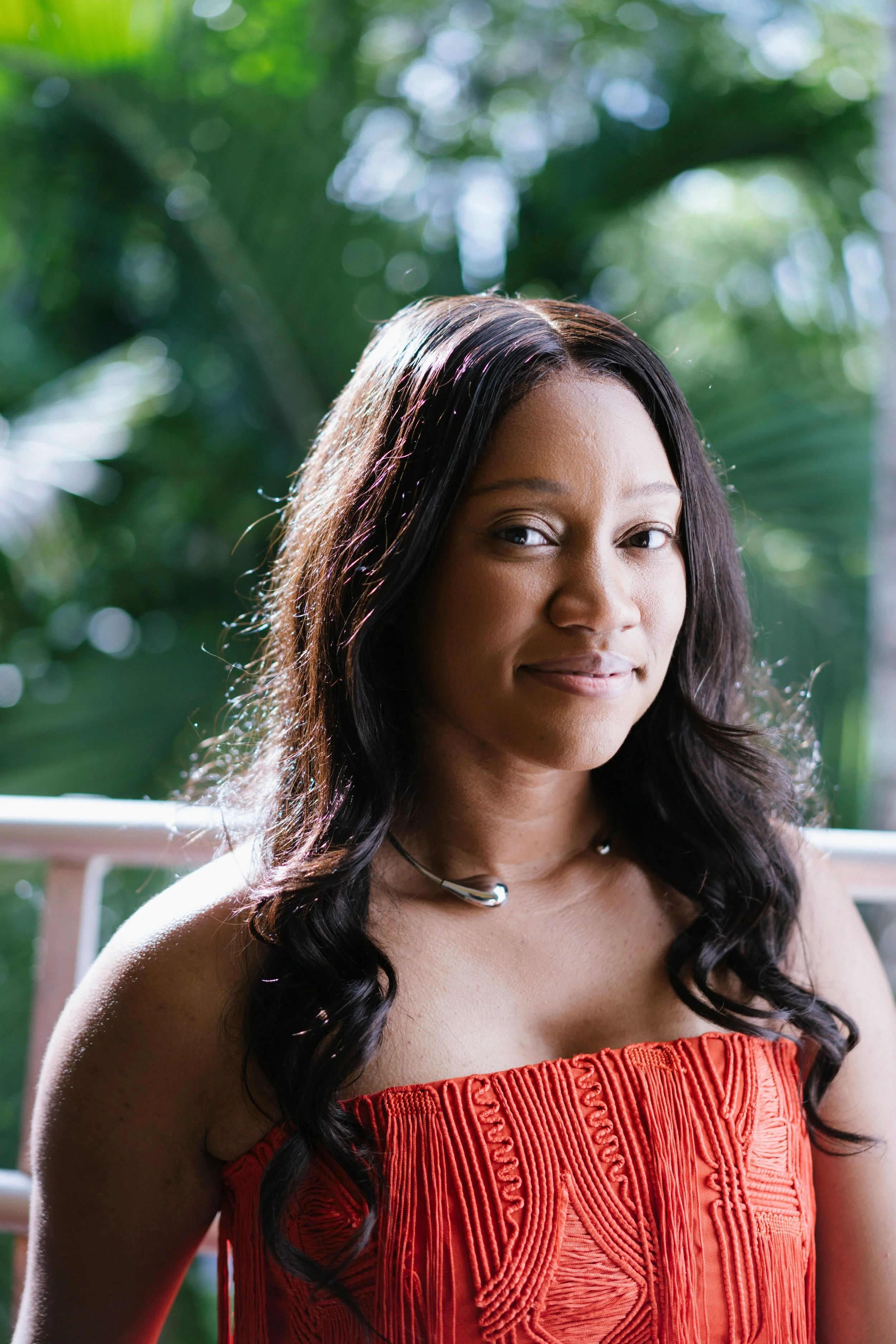
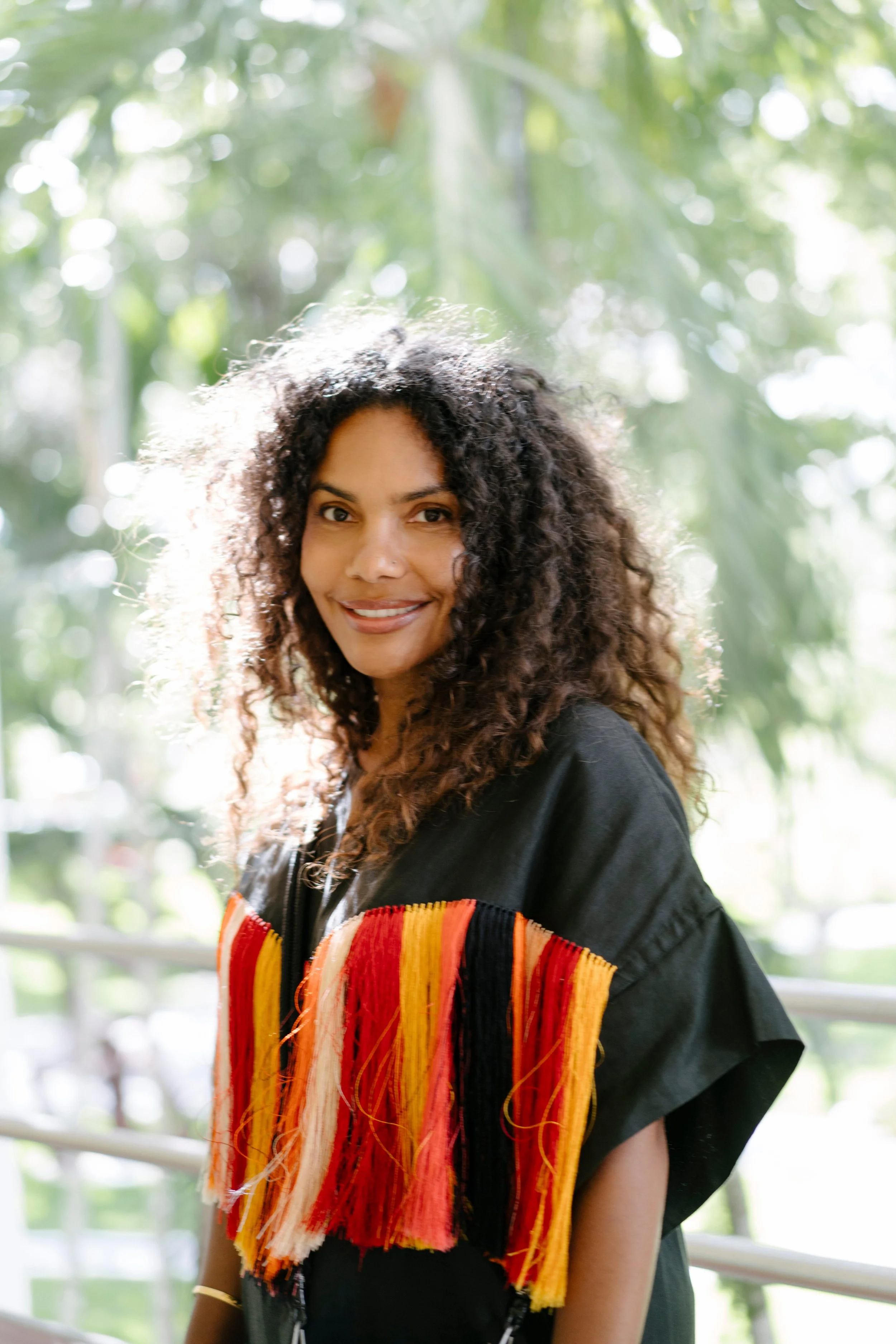
Deep gratitude to cultural studies scholar Dr. Donette Francis, co-founder of the University of Miami Center for Global Black Studies (CGBS), and to interim directors Dr. Edmund Abaka and Dr. Sophia George, UGROW Fellow Giltricia Head, and Operations Manager Suzanne Foster.
Strange Celestial Road is presented by CGBS and the Mellon Foundation. Special thanks to Germane Barnes, Claudia Des Rosiers, Richard Guzman, Mariana Pariani, Sterling Rook, and Gabriel Soomar; and to Leigh-Ann Buchanan for contributing her recent title, Innovation Currency, to our shared library on rest.
Conceived at New York University’s Center for Black Visual Culture at the Institute of African American Affairs in 2022, The Black Rest Project is a collaborative interrogation and activation of the power and practice of rest for global Black people. It is inspired by the work of artist, theologist, activist, and CBVC Artist-Scholar in Residence of Fall 2023 Tricia Hersey, a.k.a. The Nap Bishop, and supported through the guidance of the Black Rest Advisory Council—an international consortium of artists, scholars, writers, and practitioners in the field. Grateful to Dr. Deborah Willis, Dr. Joan Morgan, and Kalila Abdur-Razzaq for paving a way.