
Searching for Collective Memory
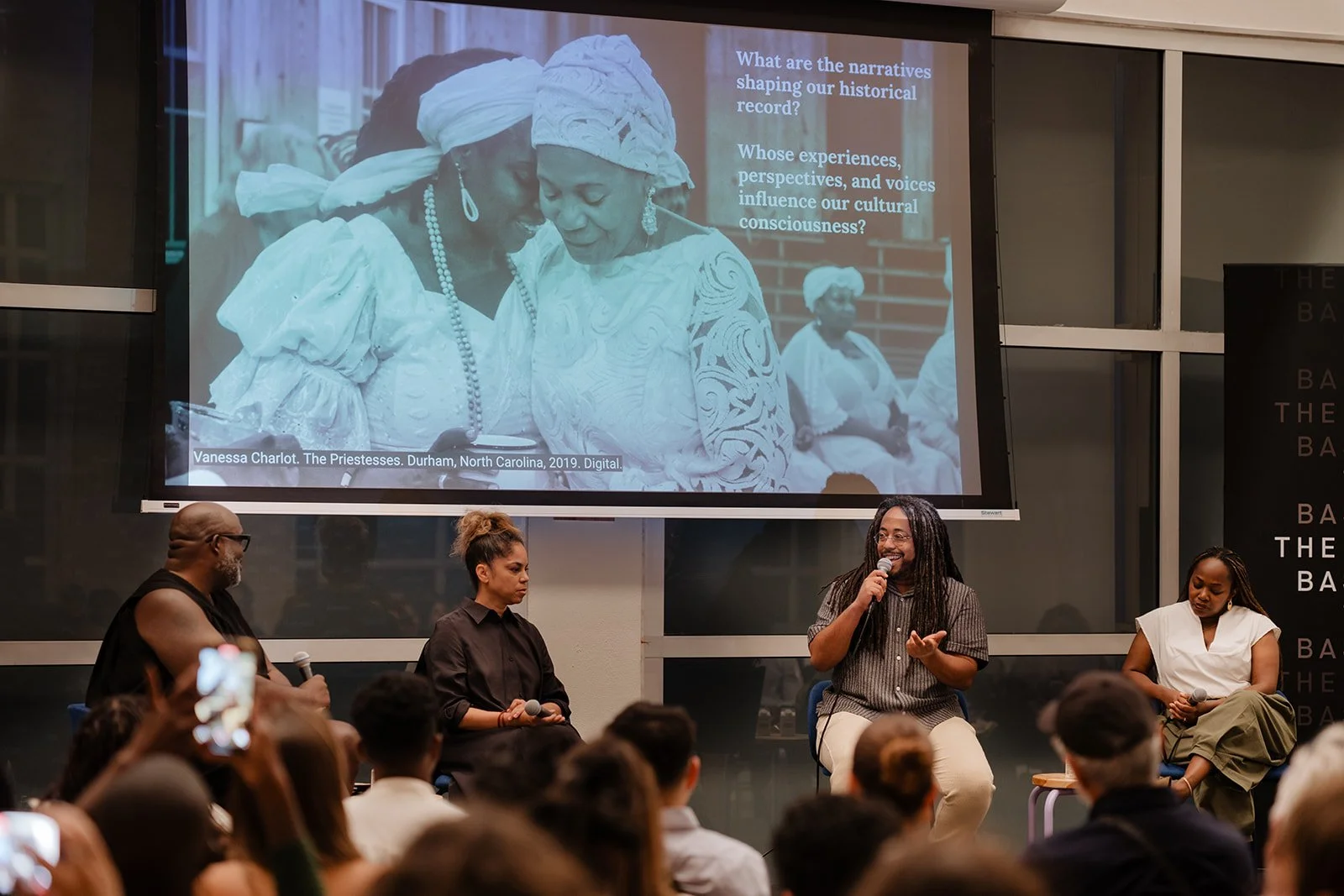
What narratives are shaping our historical record?
Whose experiences, perspectives, and voices influence our cultural consciousness?
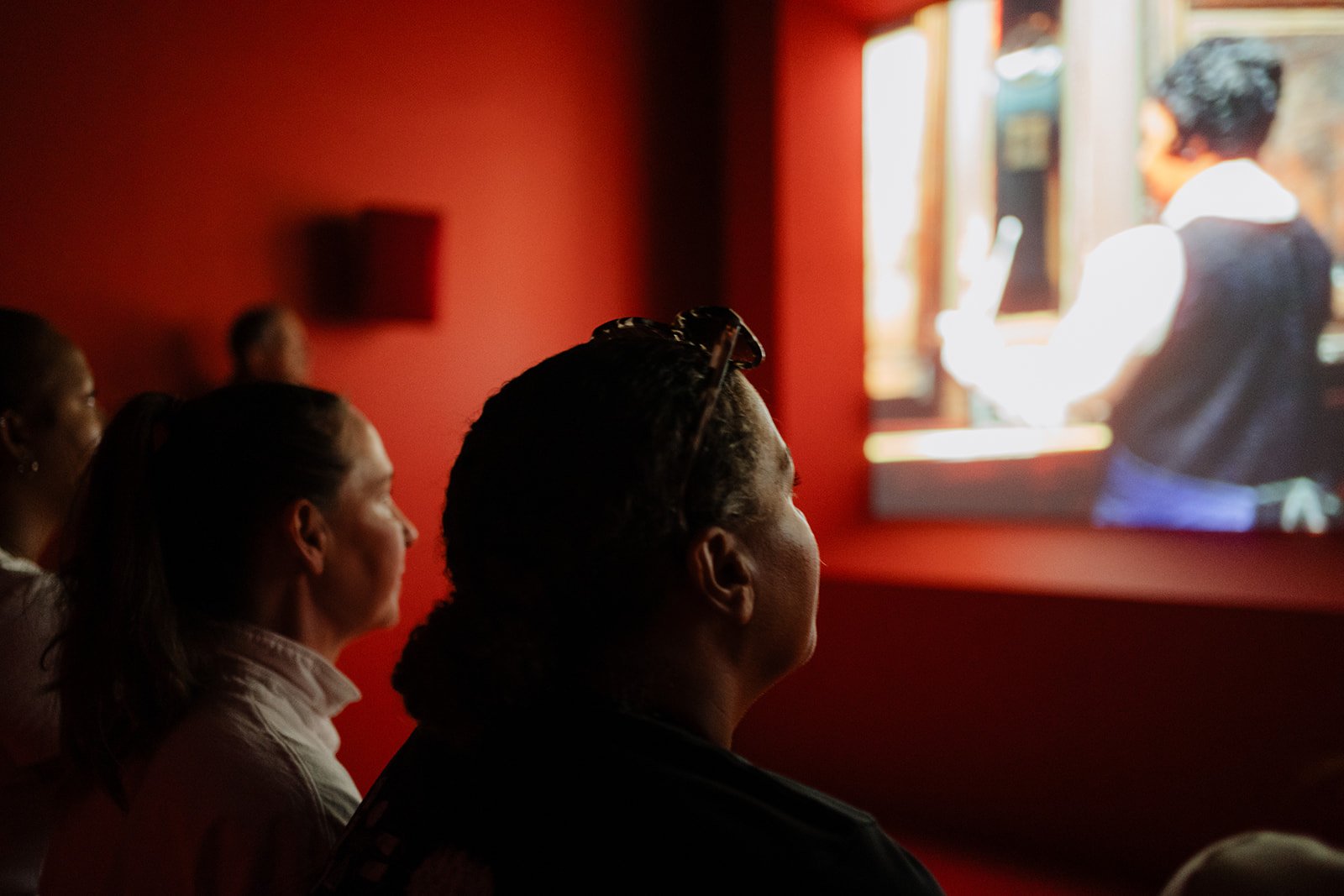
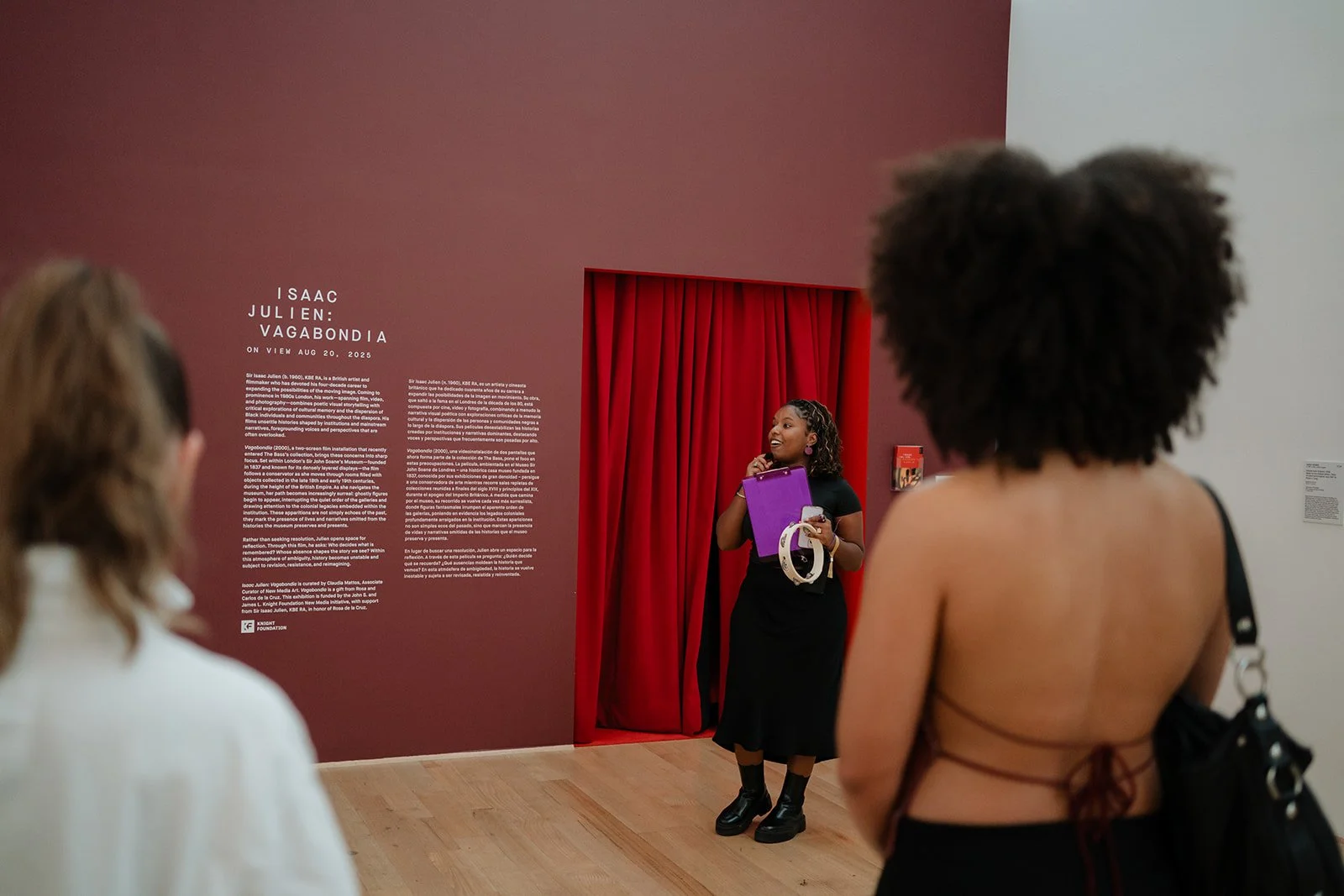
Vagabondia (2000), now on view at The Bass Museum of Art. Photo by Chantal Lawrie
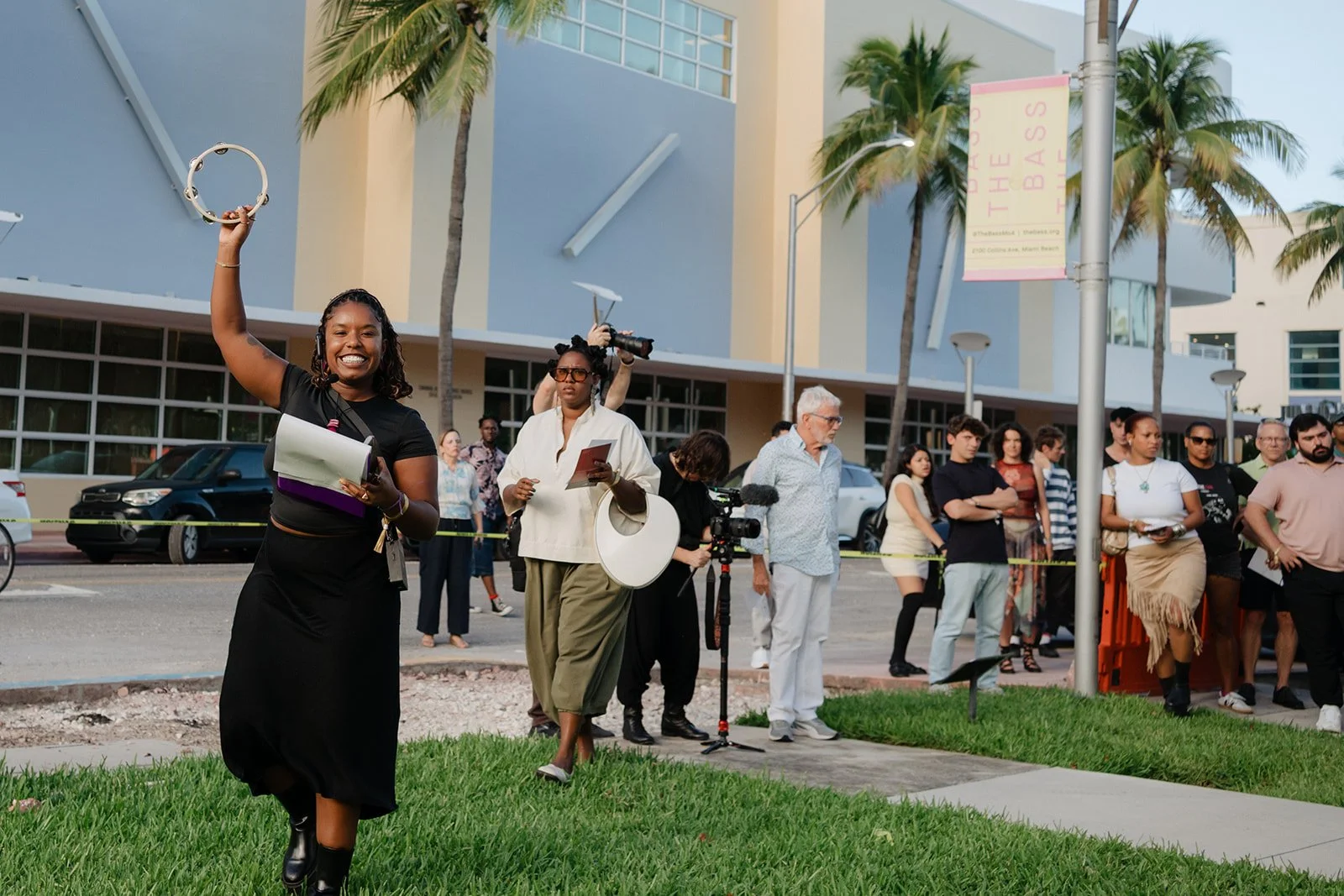
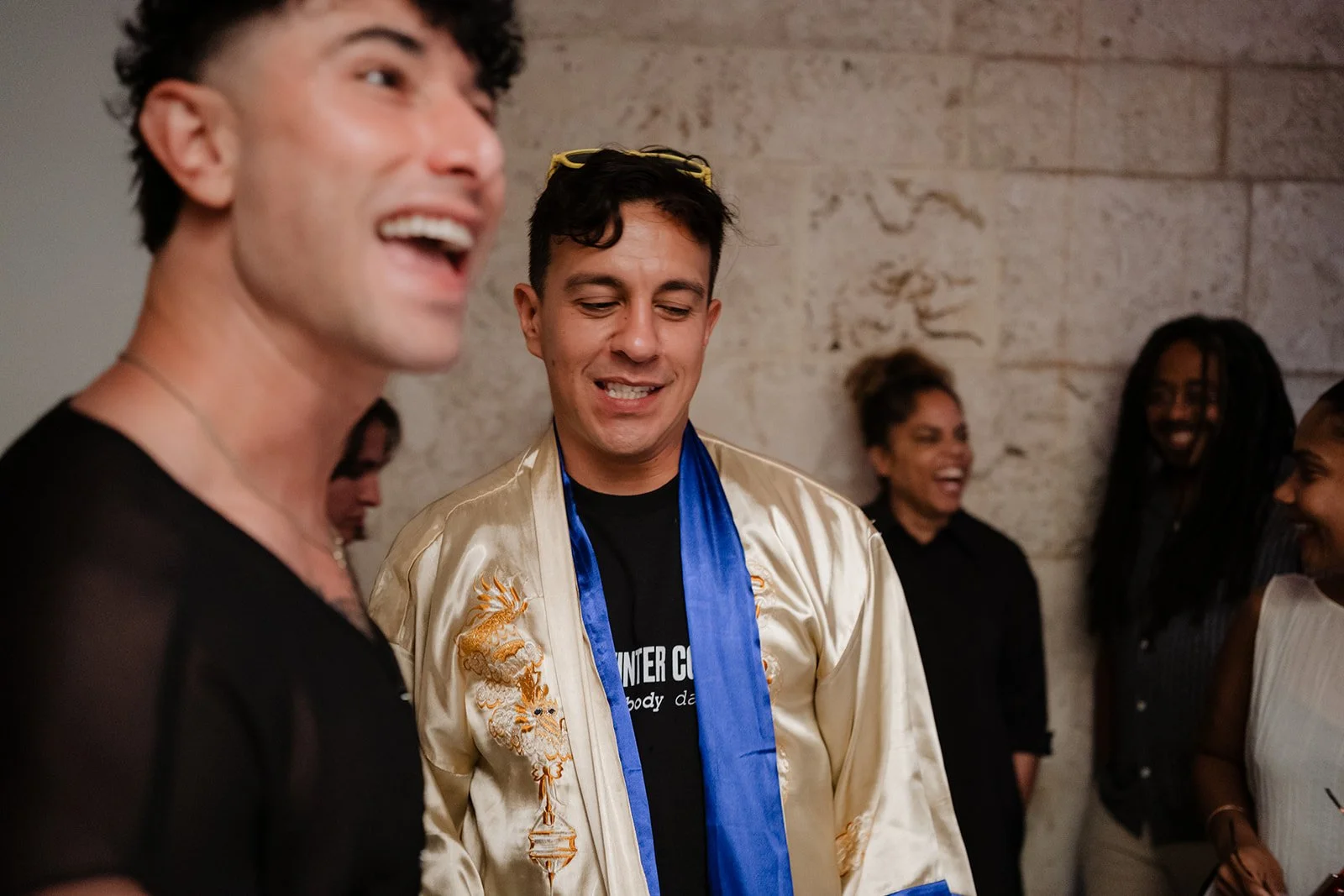
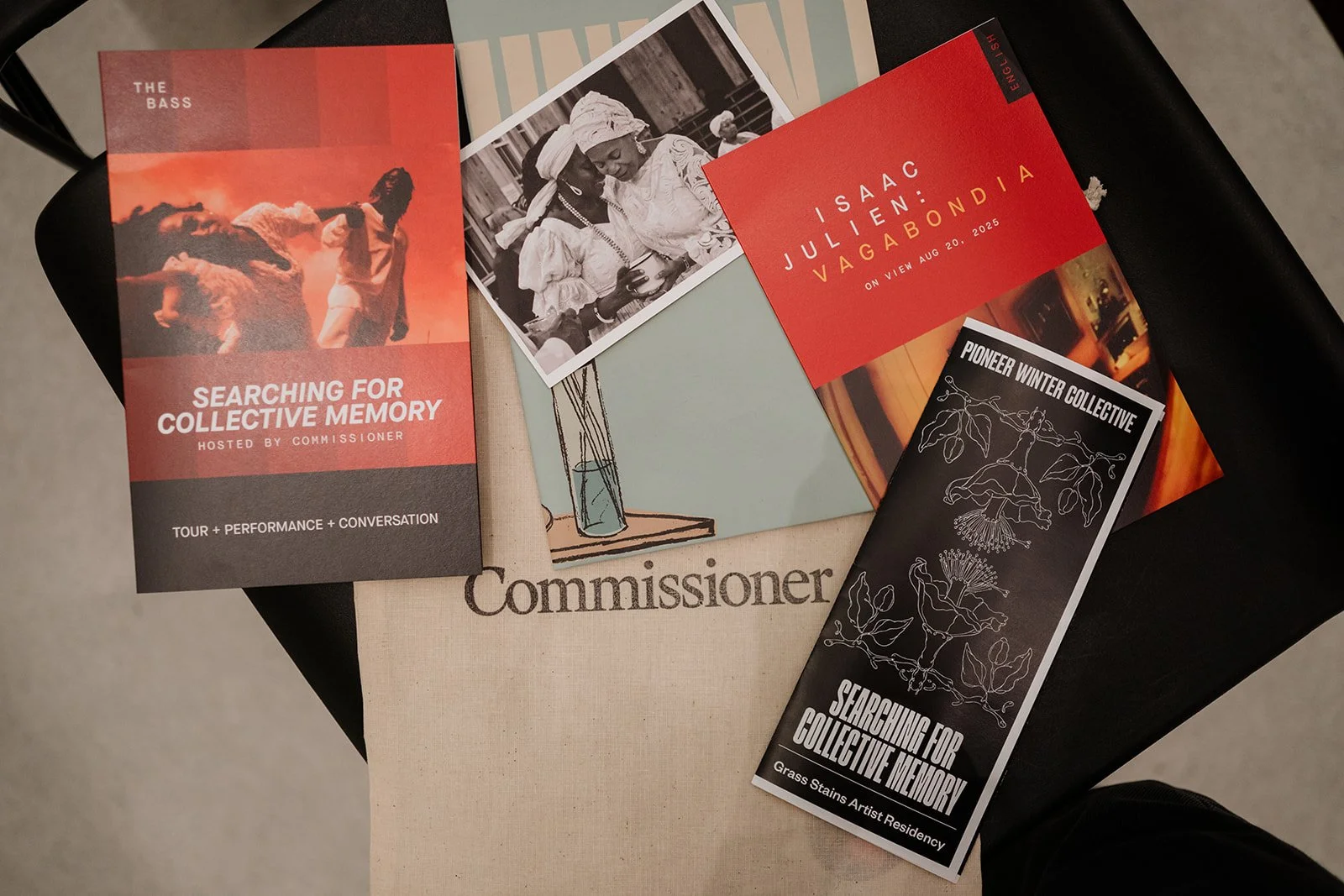
On May 21, Commissioner, in community with Pioneer Winter Collective and Maven Leadership Collective, hosted Searching for Collective Memory—an embodied program inspired by Sir Issac Julien's two-channel installation, Vagabondia (2000), during Third Thursdays at The Bass Museum of Art.
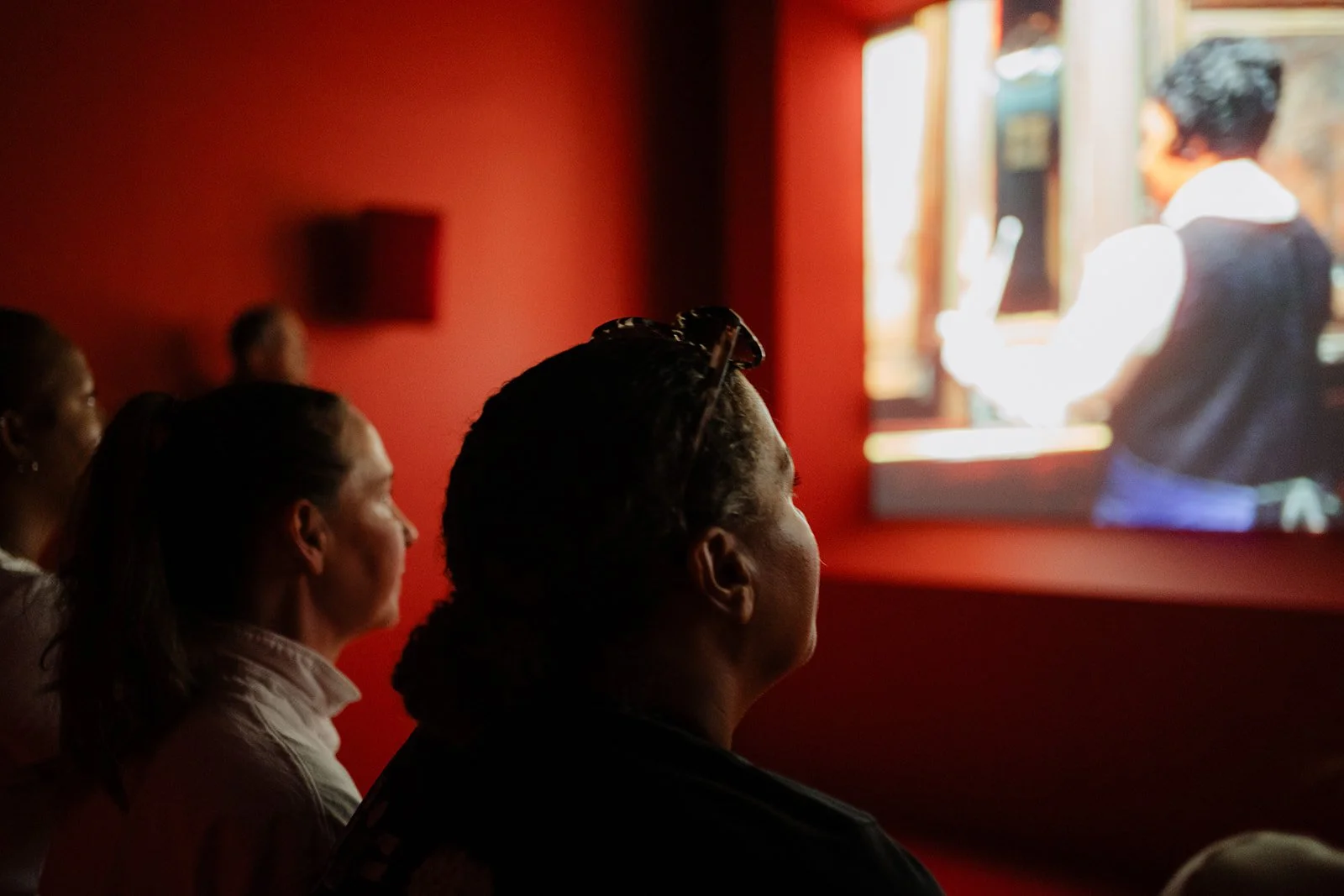
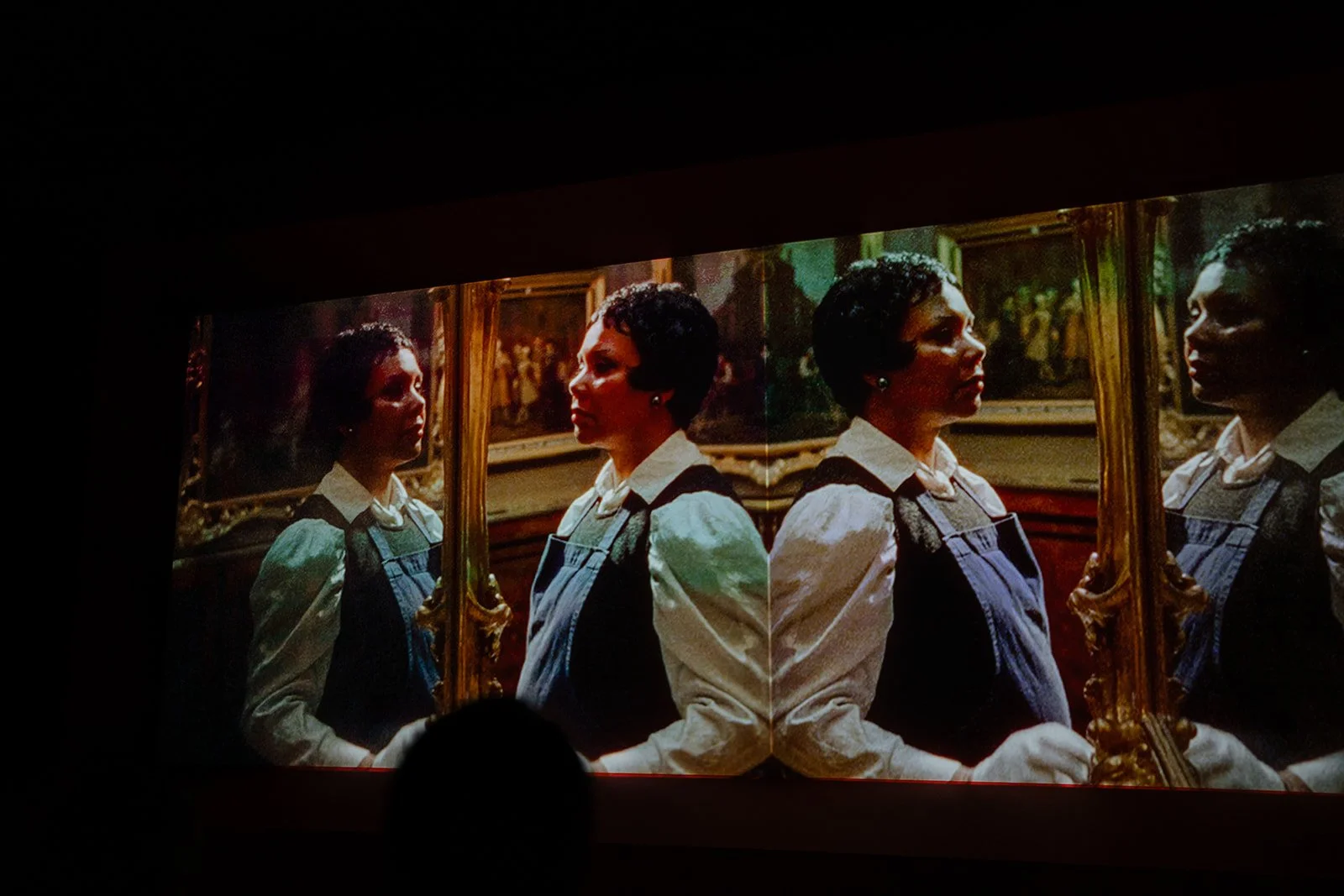
Set within London's Sir John Soane's Museum, Julien’s film follows a conservator as she moves through rooms filled with objects collected during the late 18th and early 19th centuries at the height of the British Empire. As she walks through the galleries, things become increasingly surreal. Ghostly figures begin to appear, interrupting the quiet order of the space and drawing attention to the colonial legacies embedded within the institution.
Interpreting Vagabondia
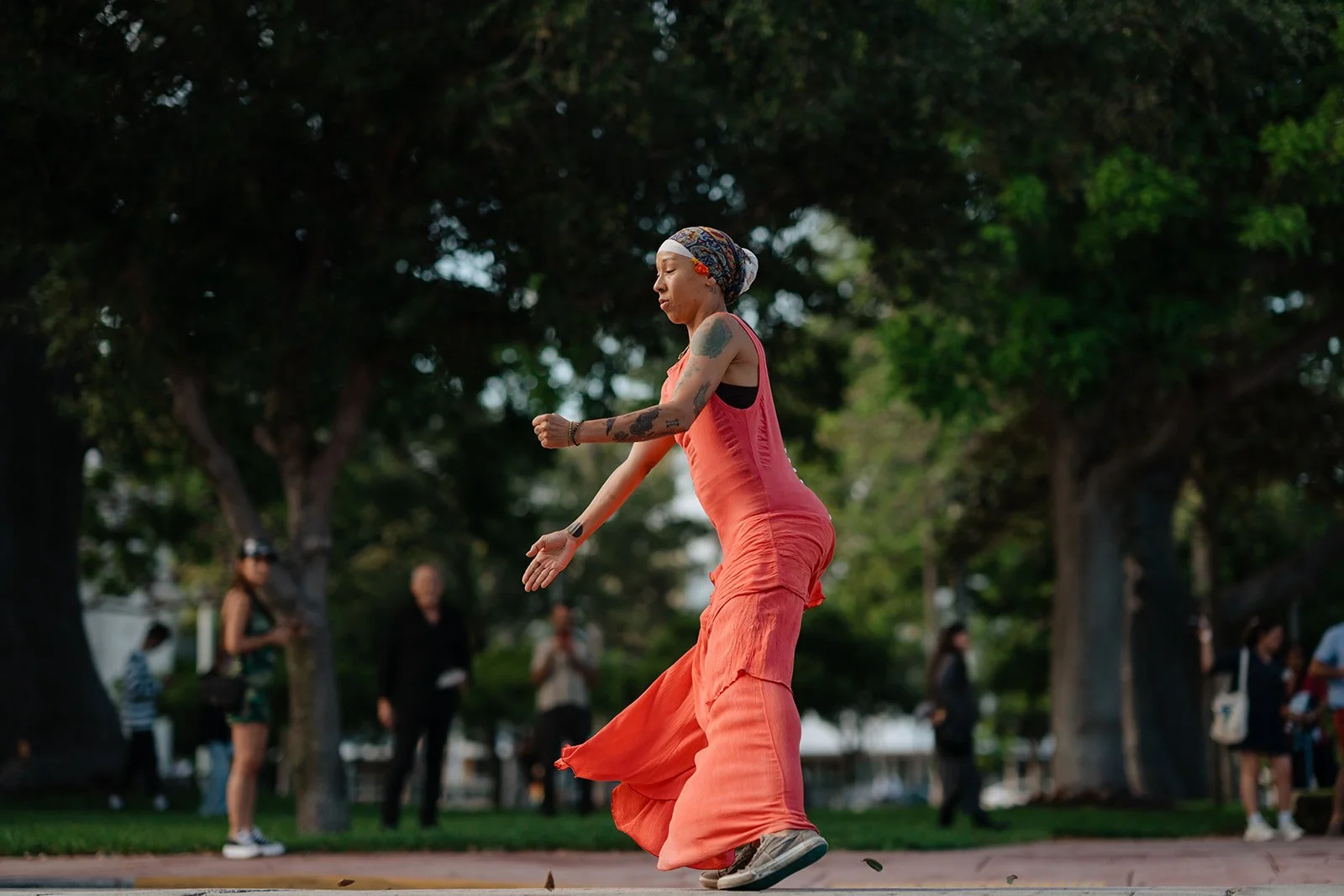
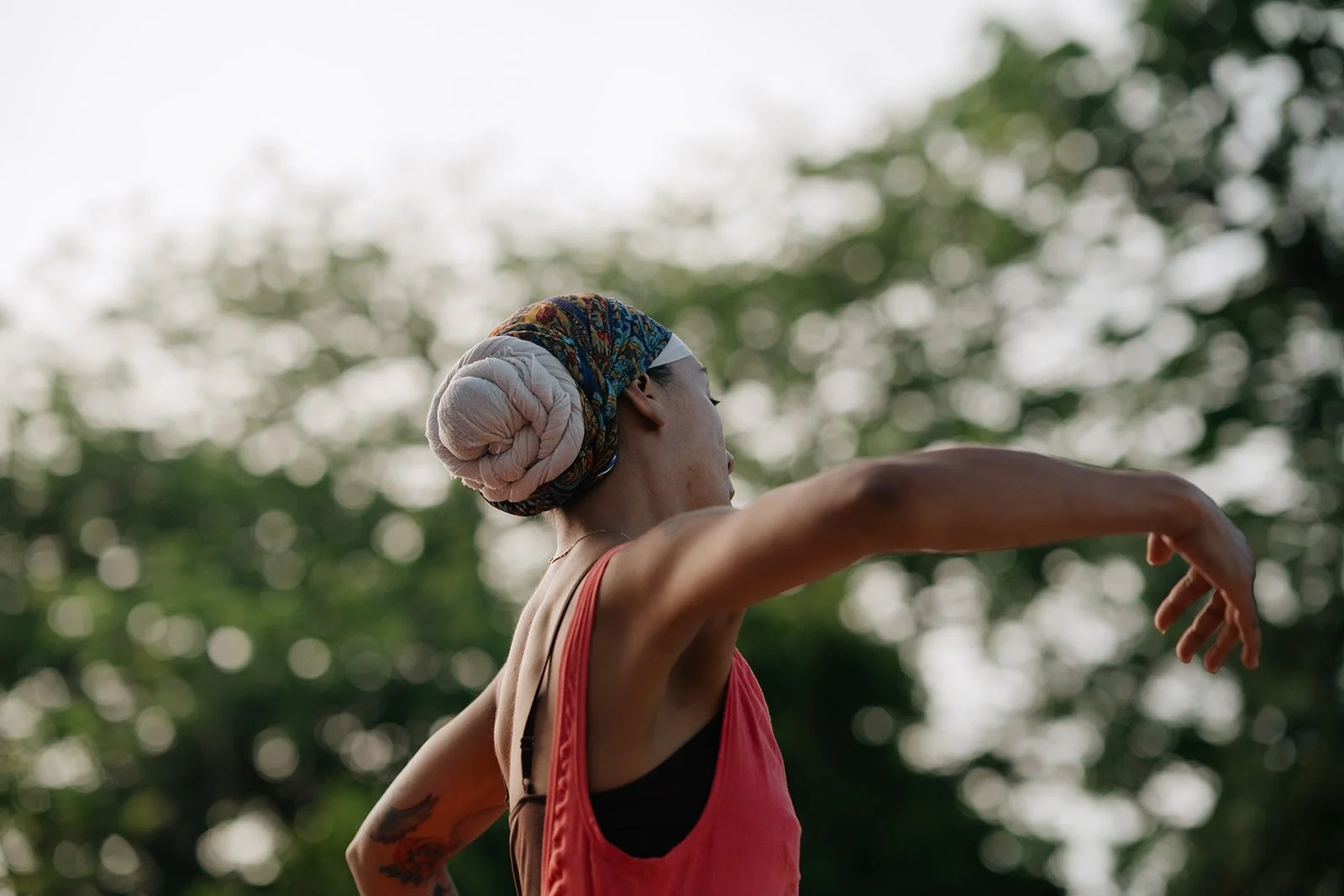
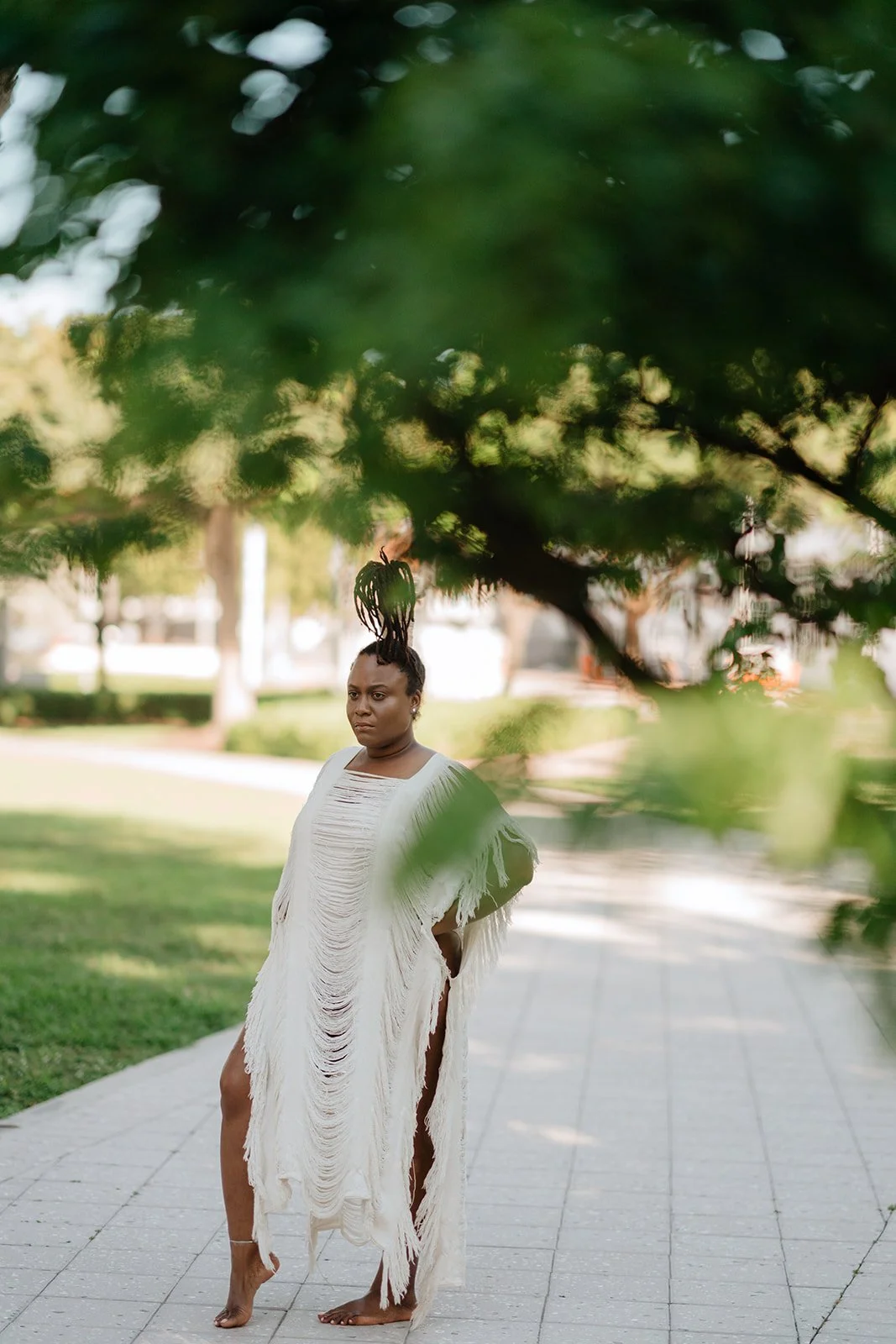
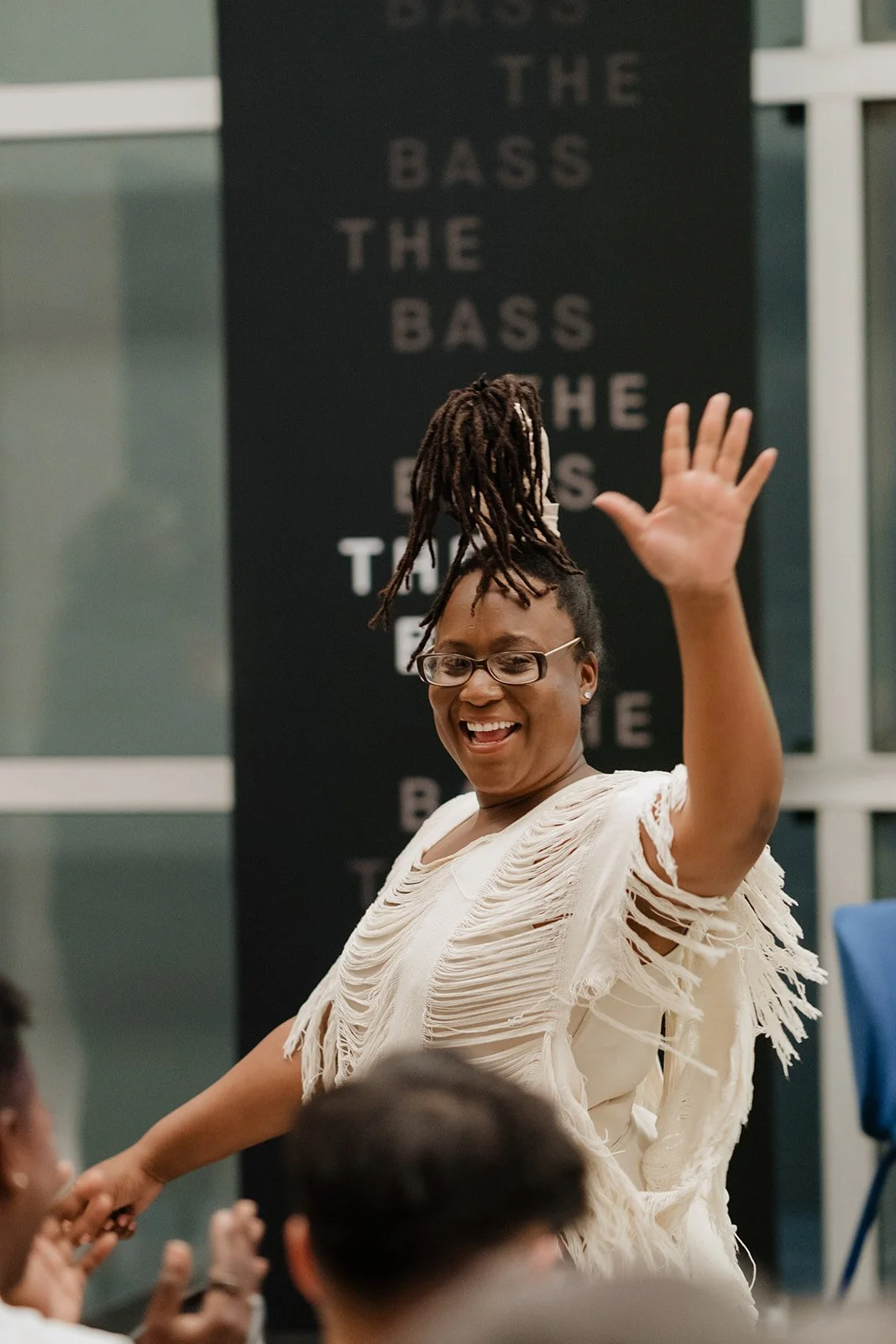
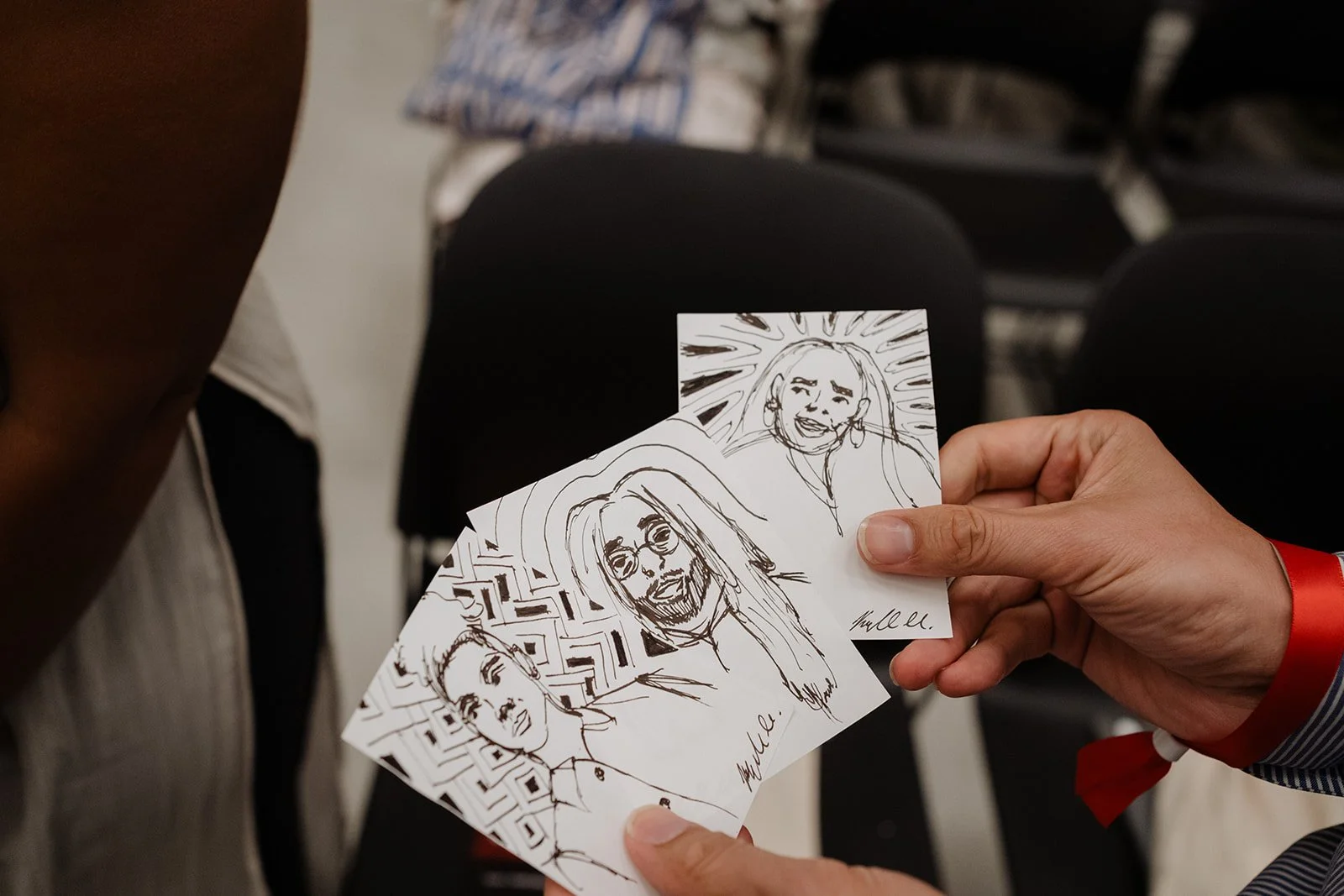
Hattie Mae Williams, 2026 Grass Stains artist-in-residence. Photo by Chantal Lawrie
In an essay titled “Creolizing Vision” for Documenta’s Platform6, Julien explains how the film Vagabondia initially began as a performance piece, commissioned for the 1999 exhibition Retrace Your Steps: Remember Tomorrow, curated by Hans-Ulrich Obrist and Cerith Wyn Evans and held at the Soane Museum.
And so, together we retraced Julien’s steps to “remember tomorrow.”
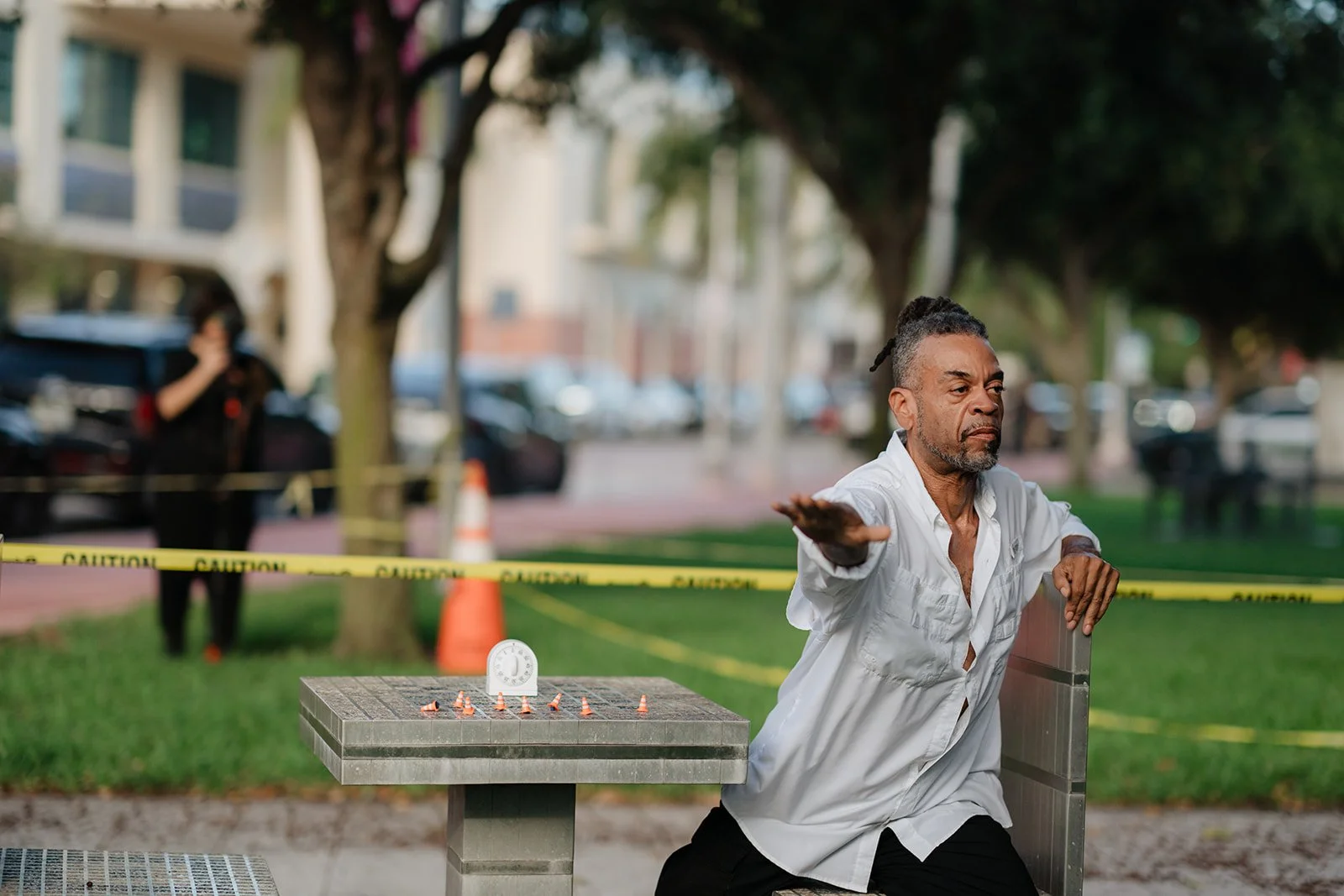
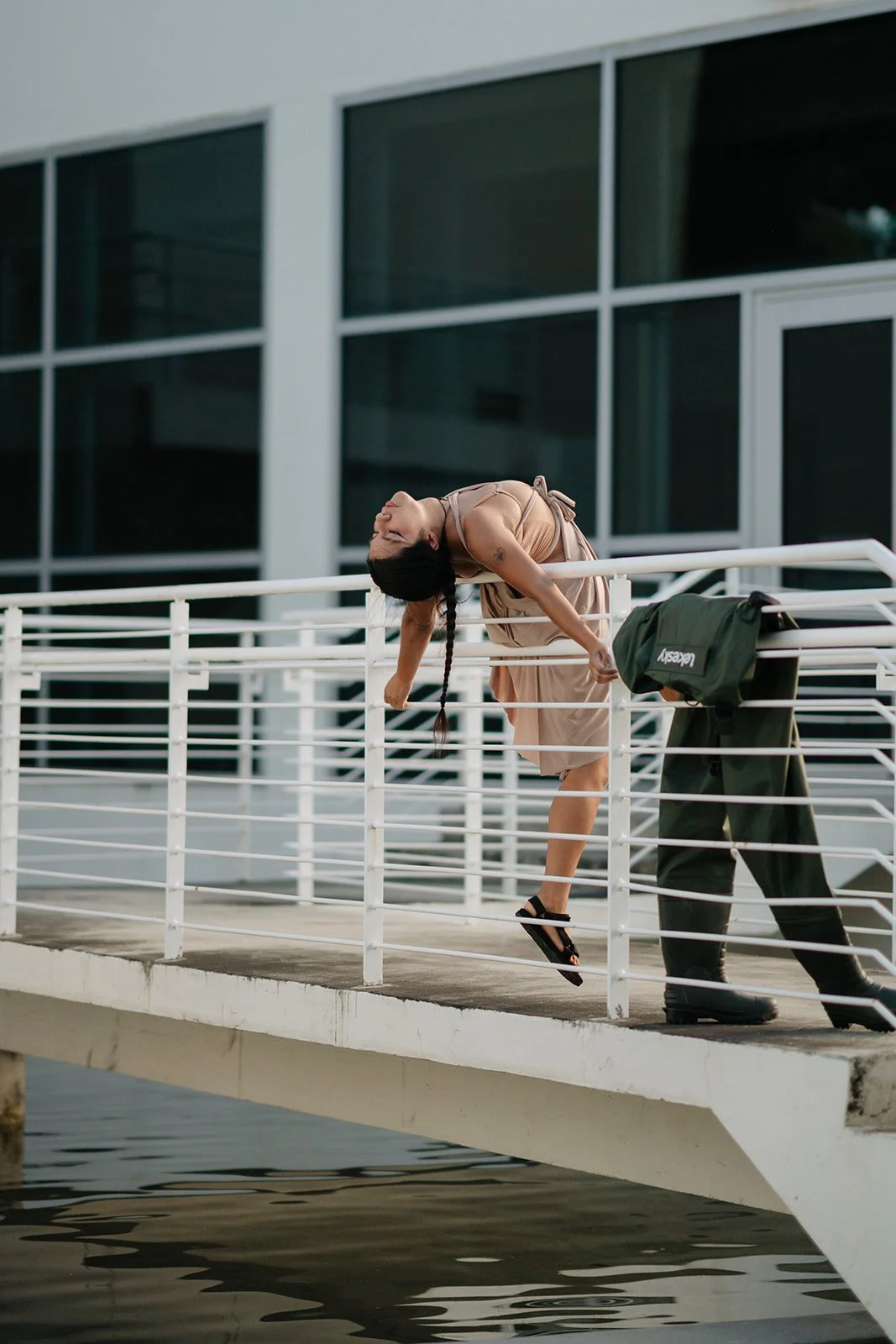
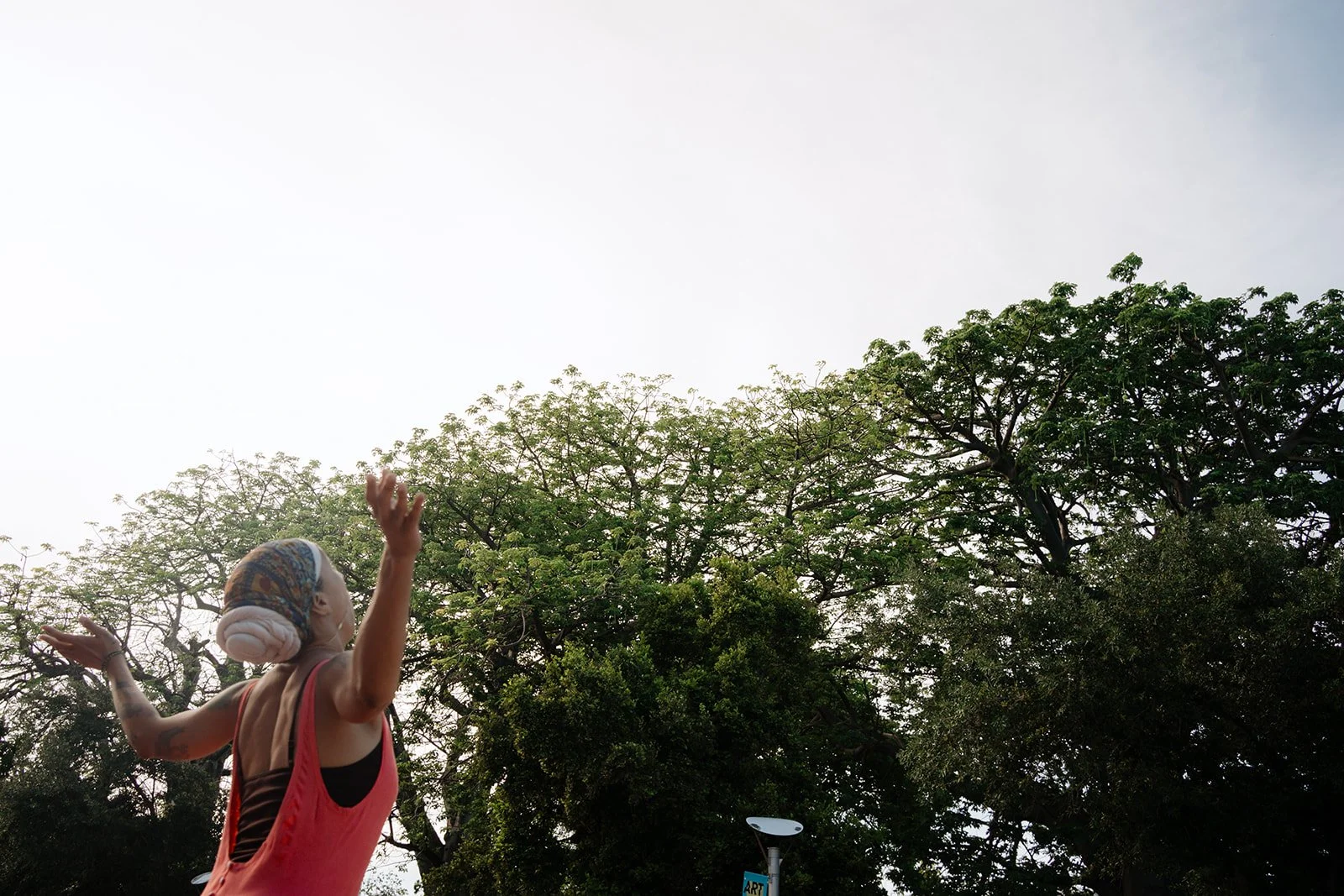
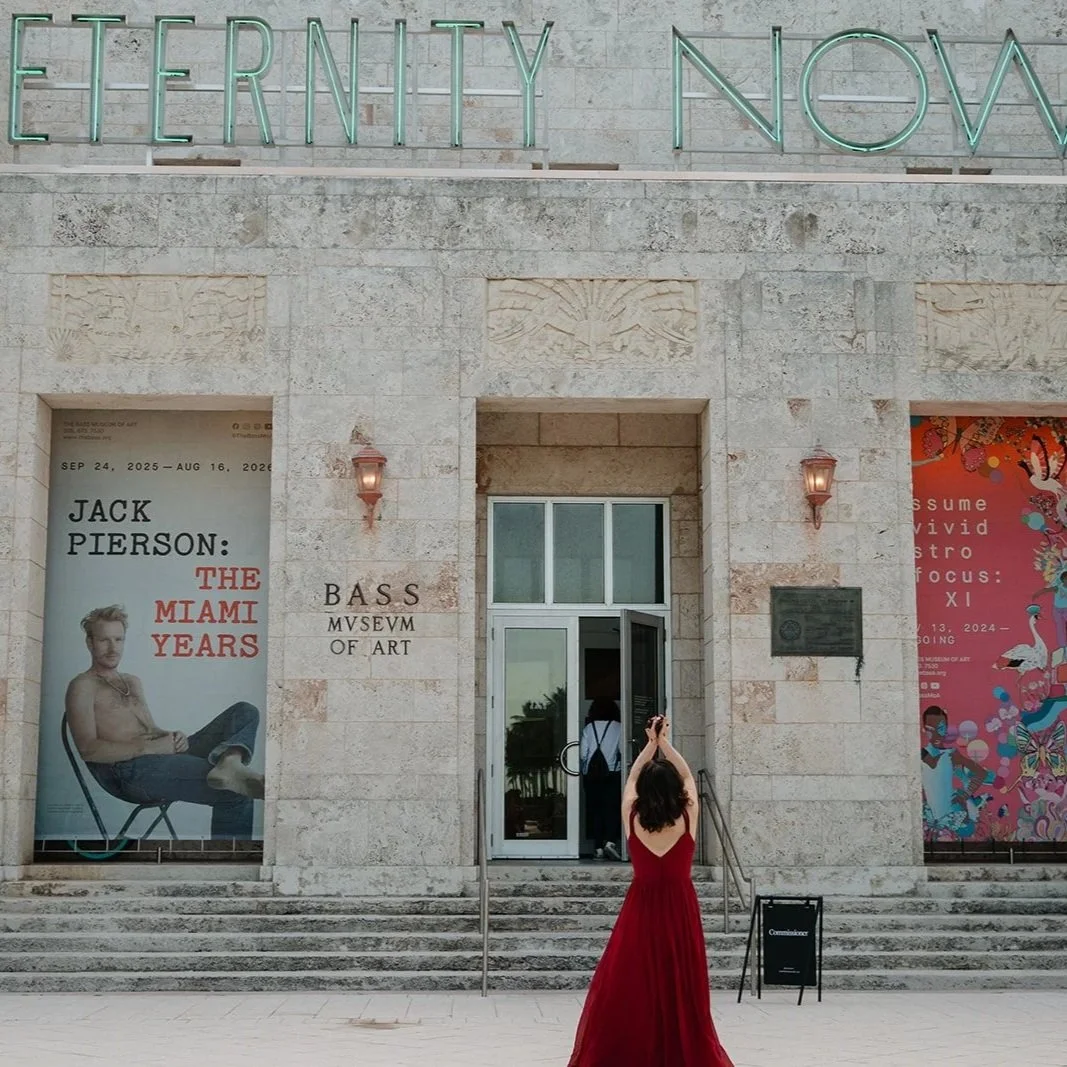
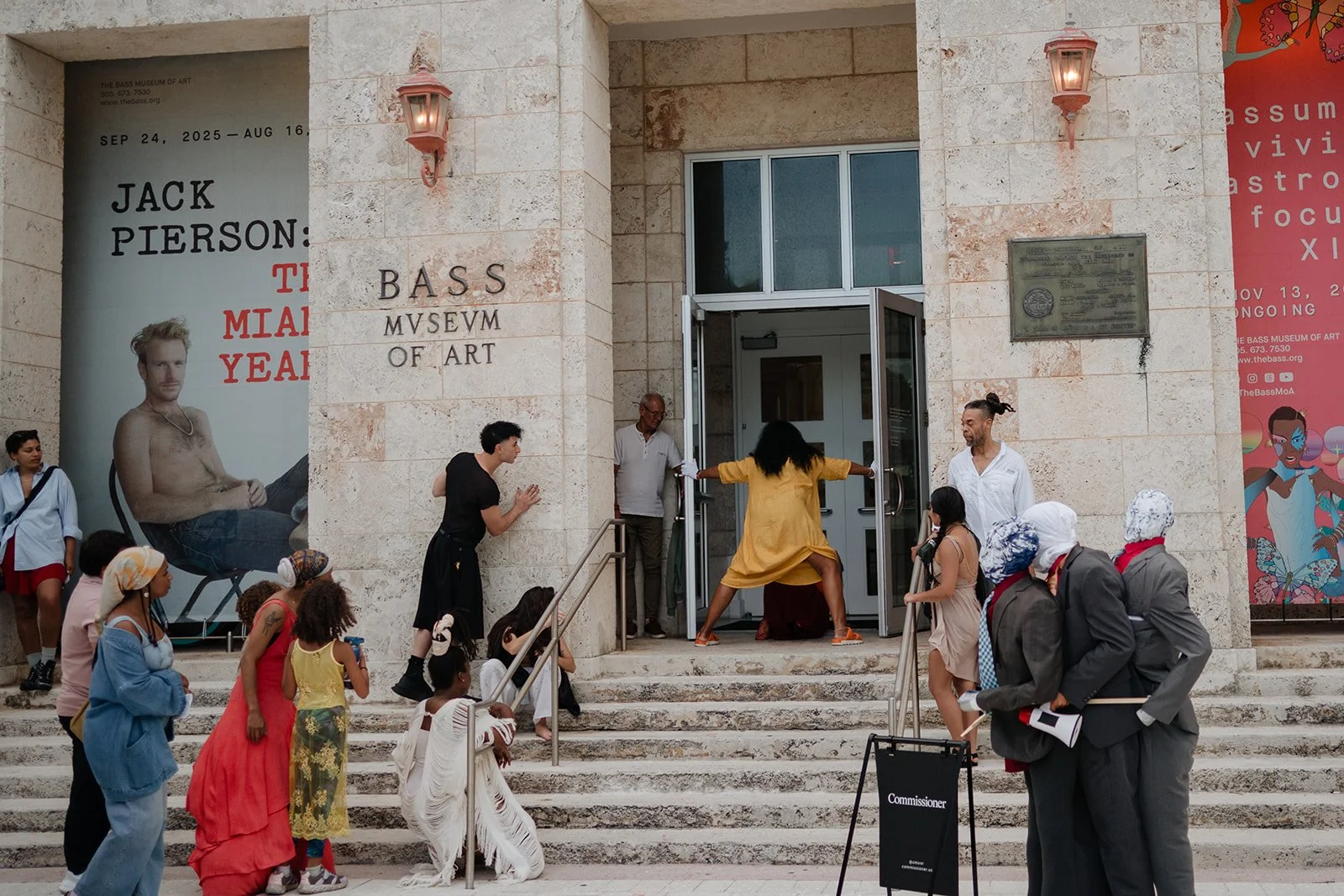
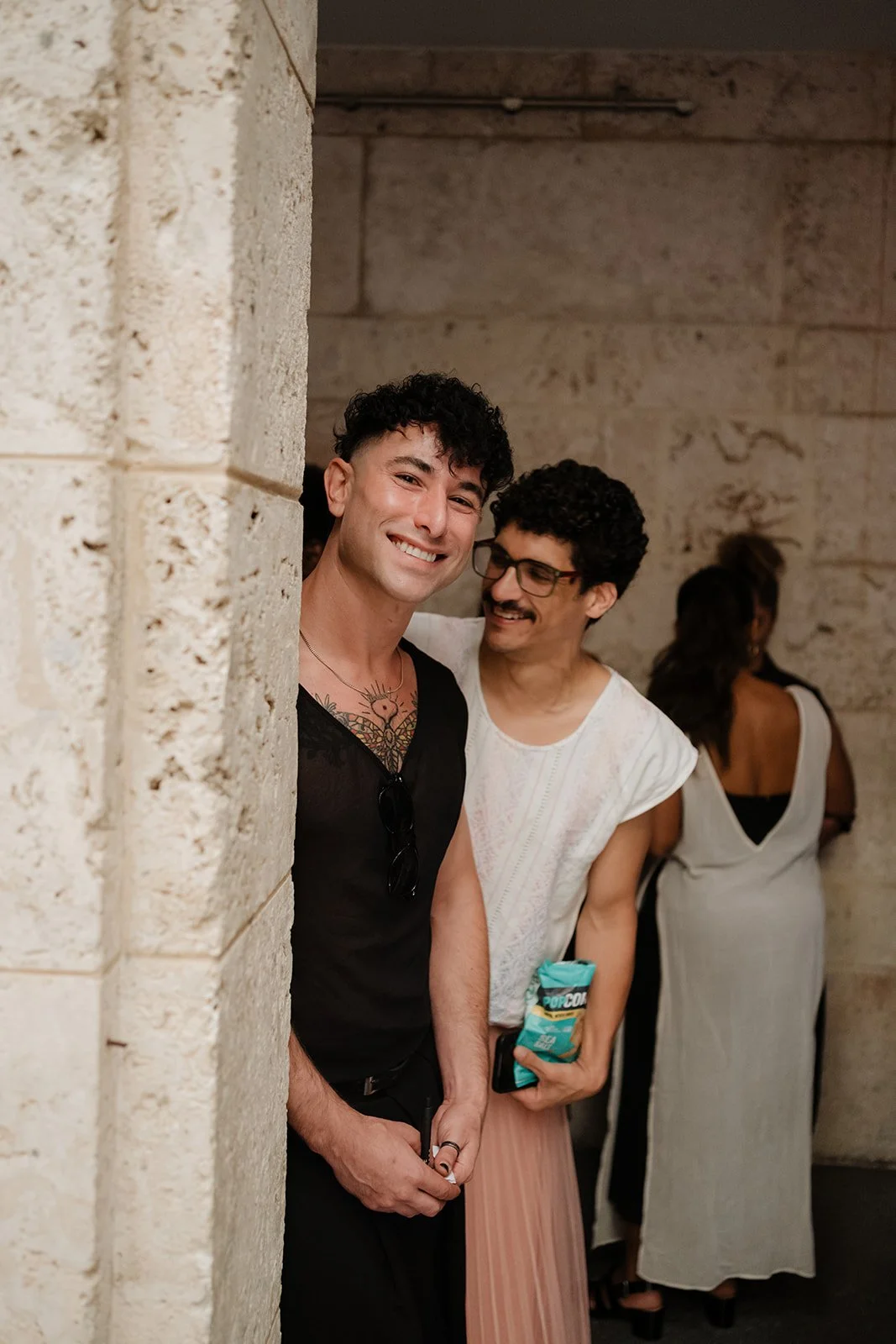
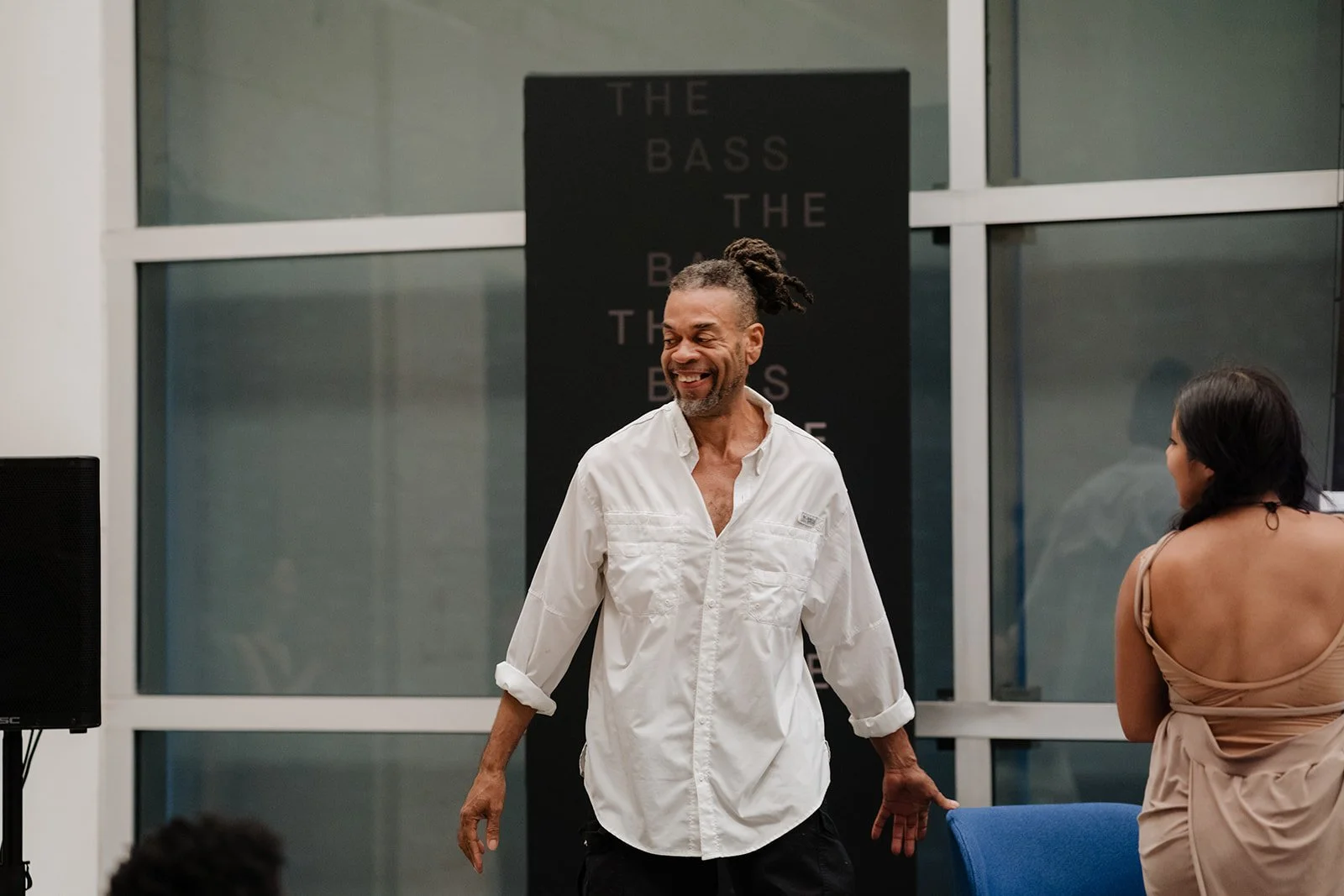
Searching for Collective Memory fittingly began by inviting Pioneer Winter’s 2026 Grass Stains program—a biennial performance residency by the acclaimed dance company—to occupy The Bass in Miami Beach. Artists-in-residence included Nina Osoria Ahmadi, Cecilia Benitez, Darryl Brown, Gabri Christa (mentor), Lisa Kusanagi, Arsimmer McCoy, Nicole Pedraza, and Hattie Mae Williams; led by founder Pioneer Winter.
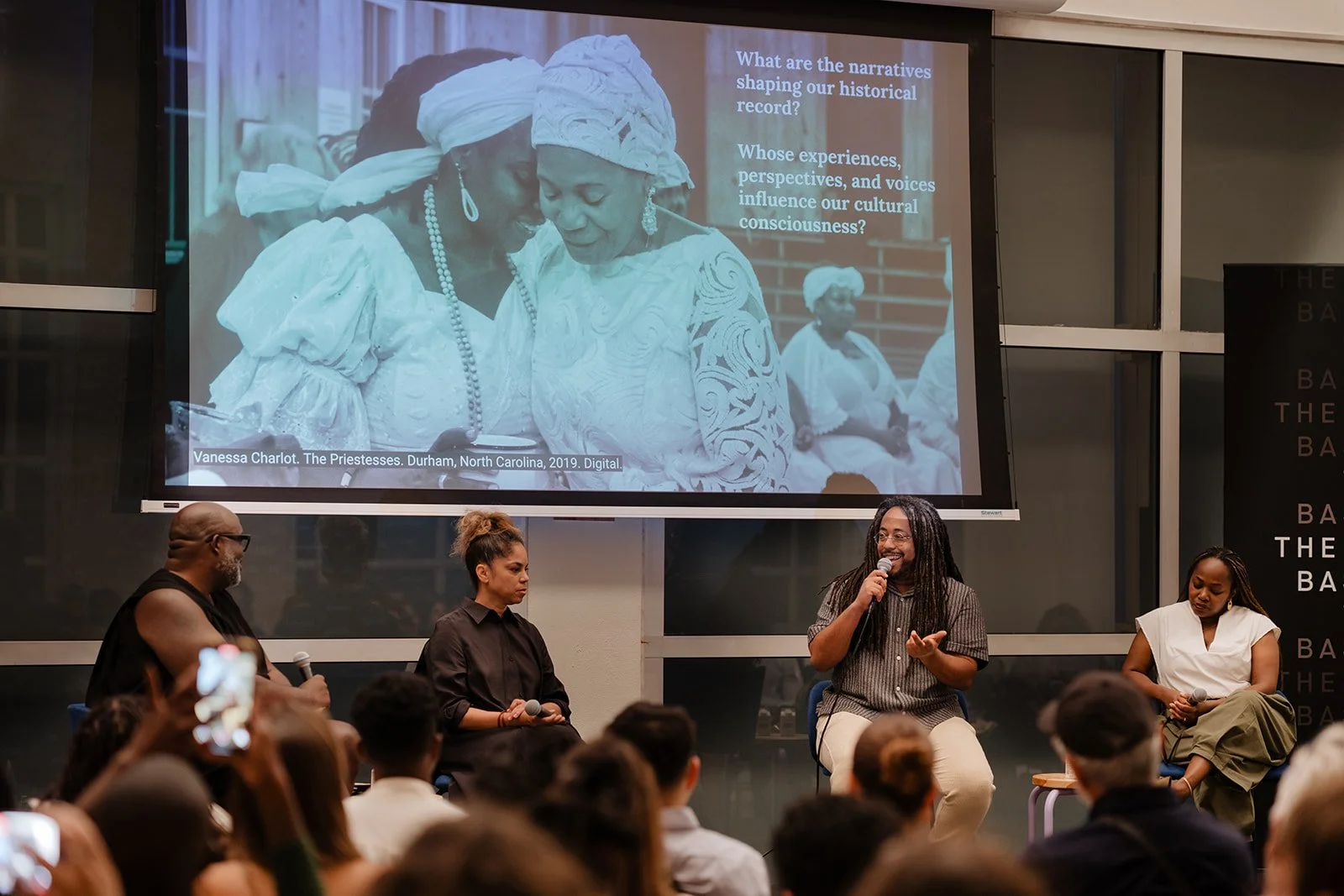
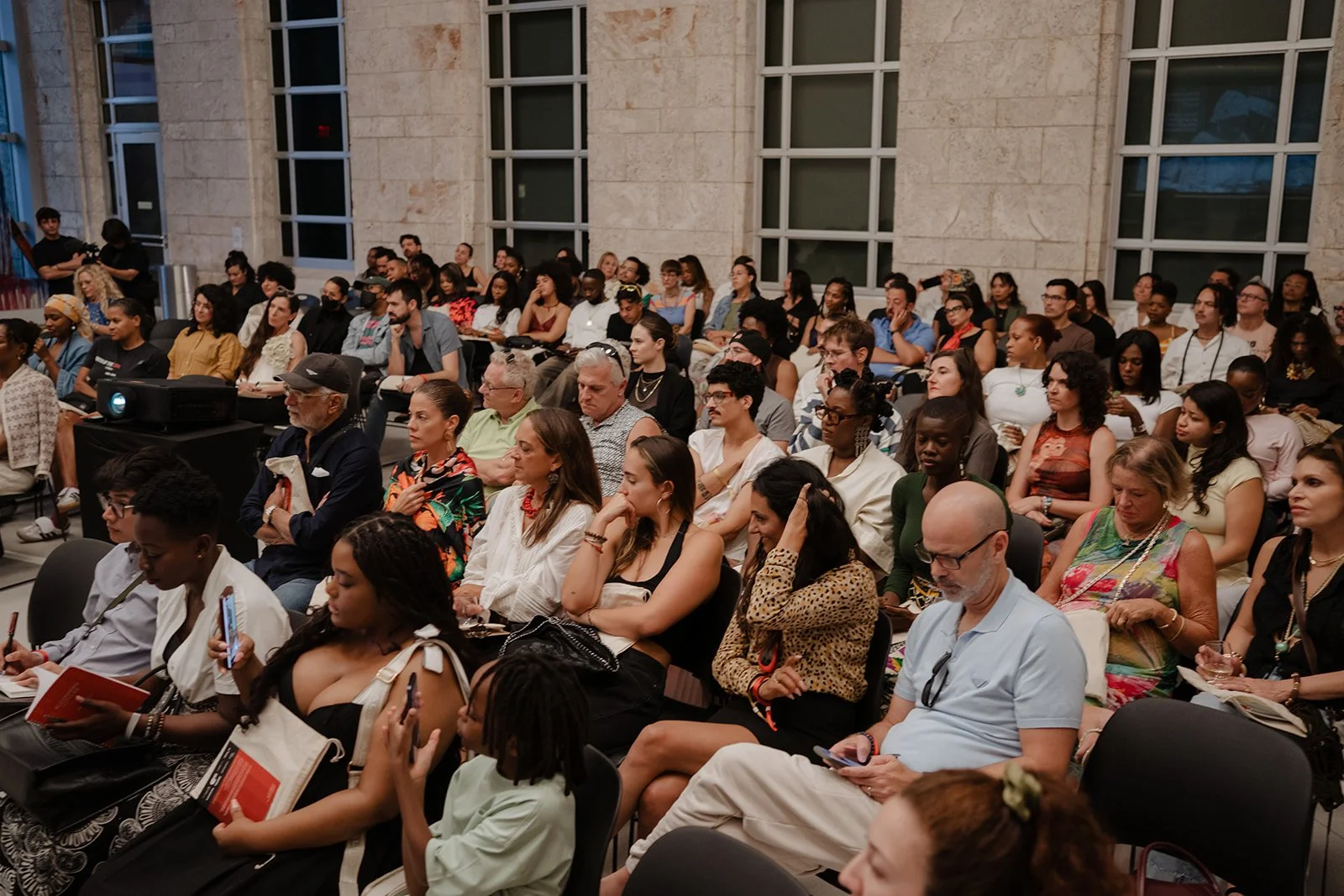
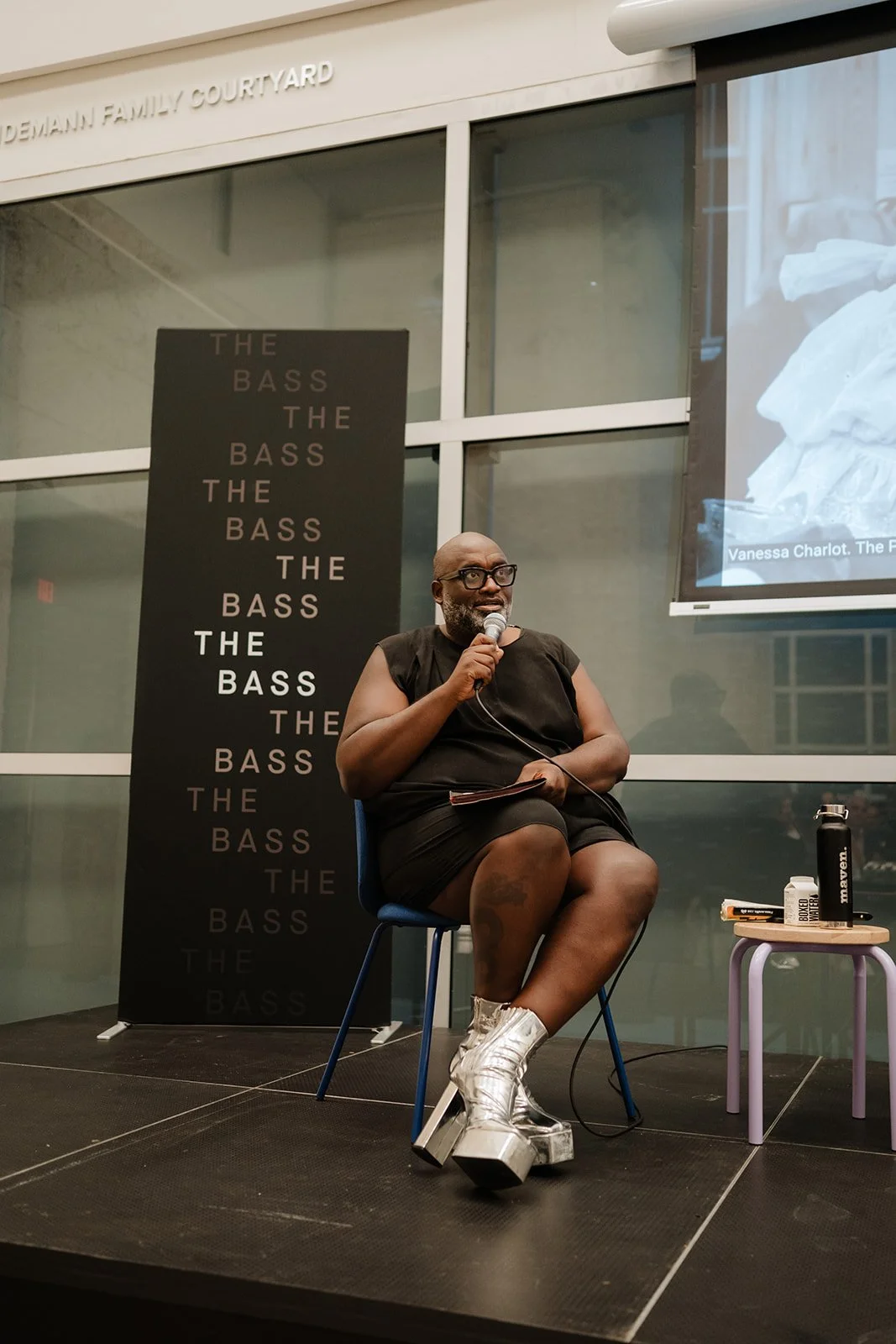
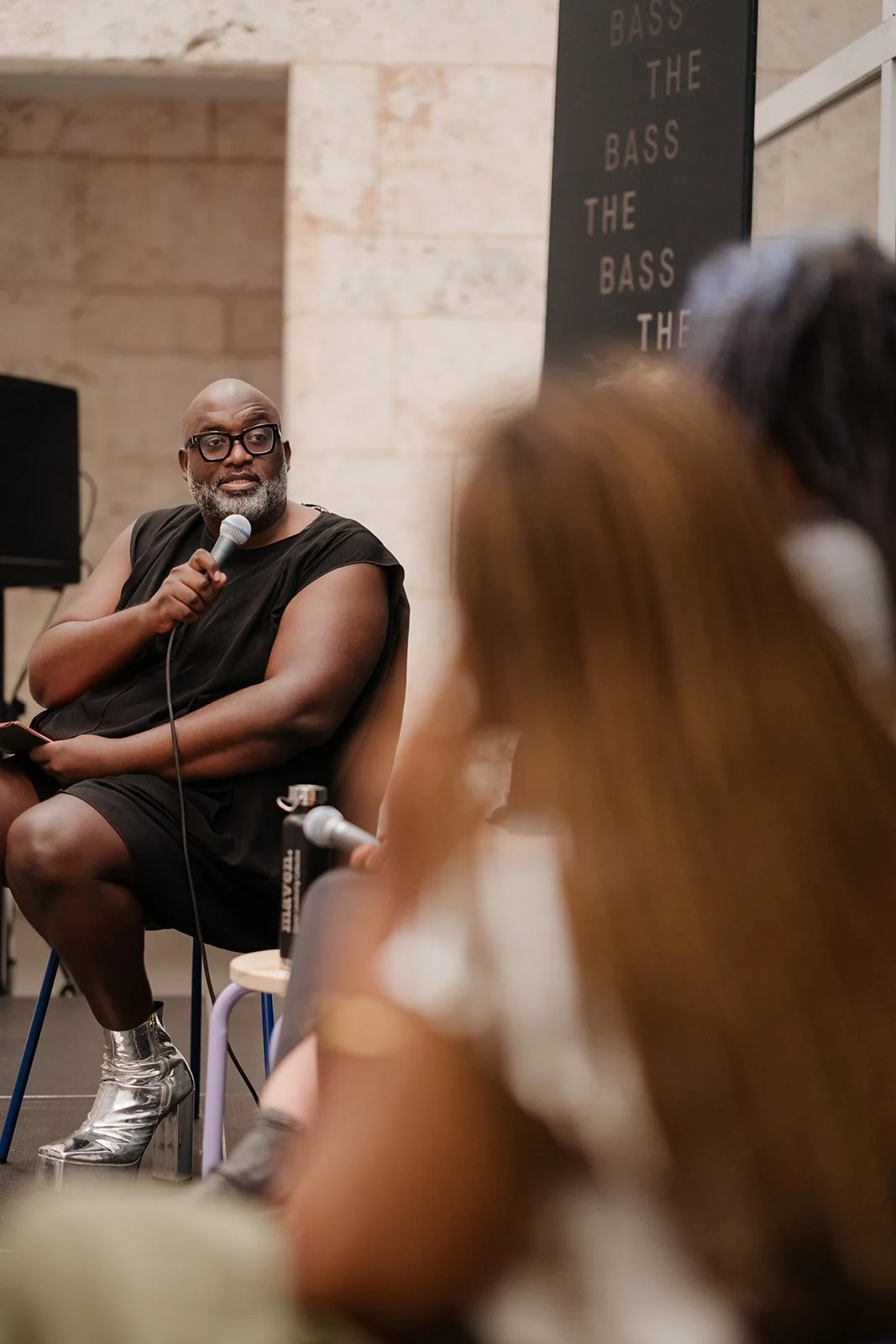
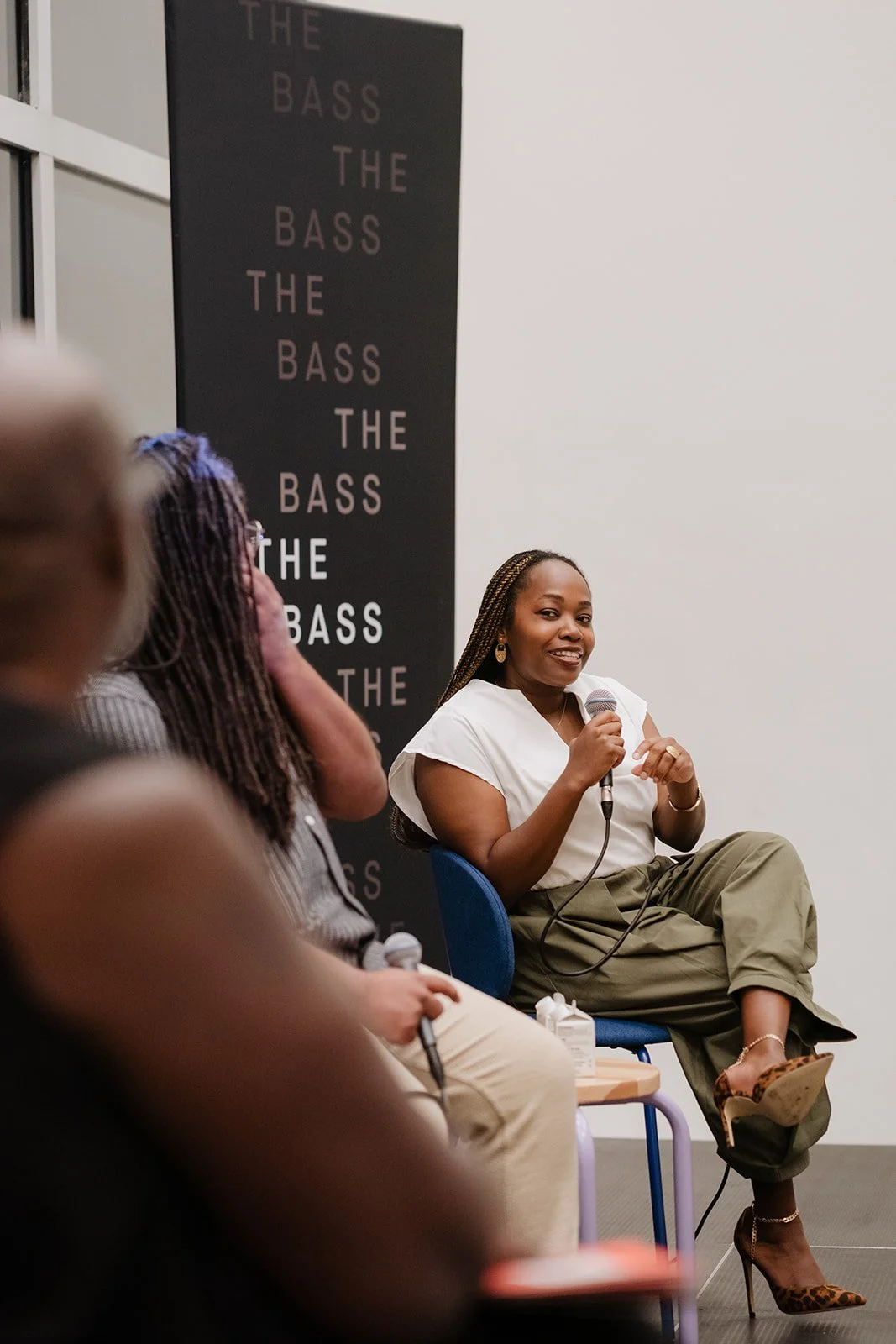
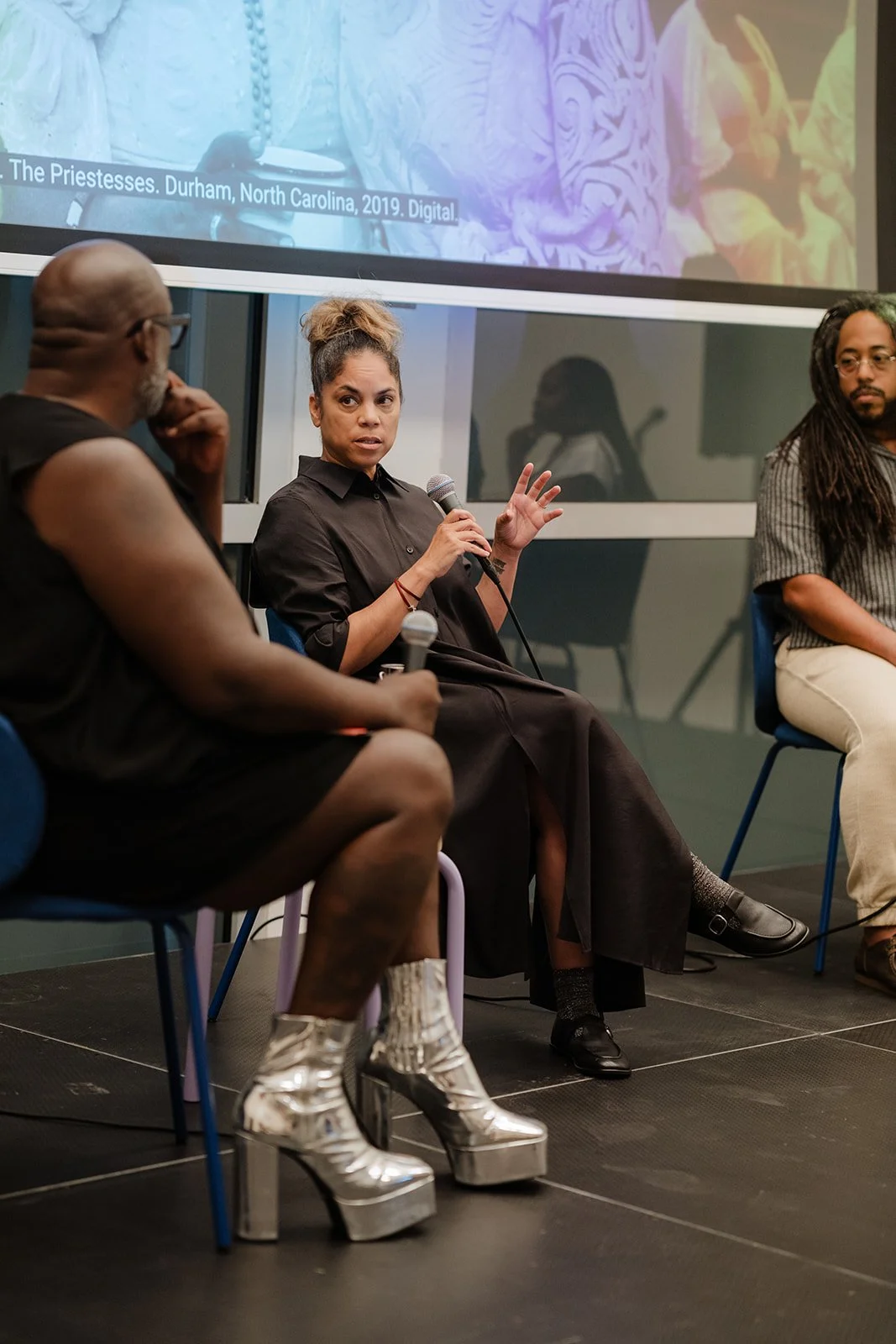
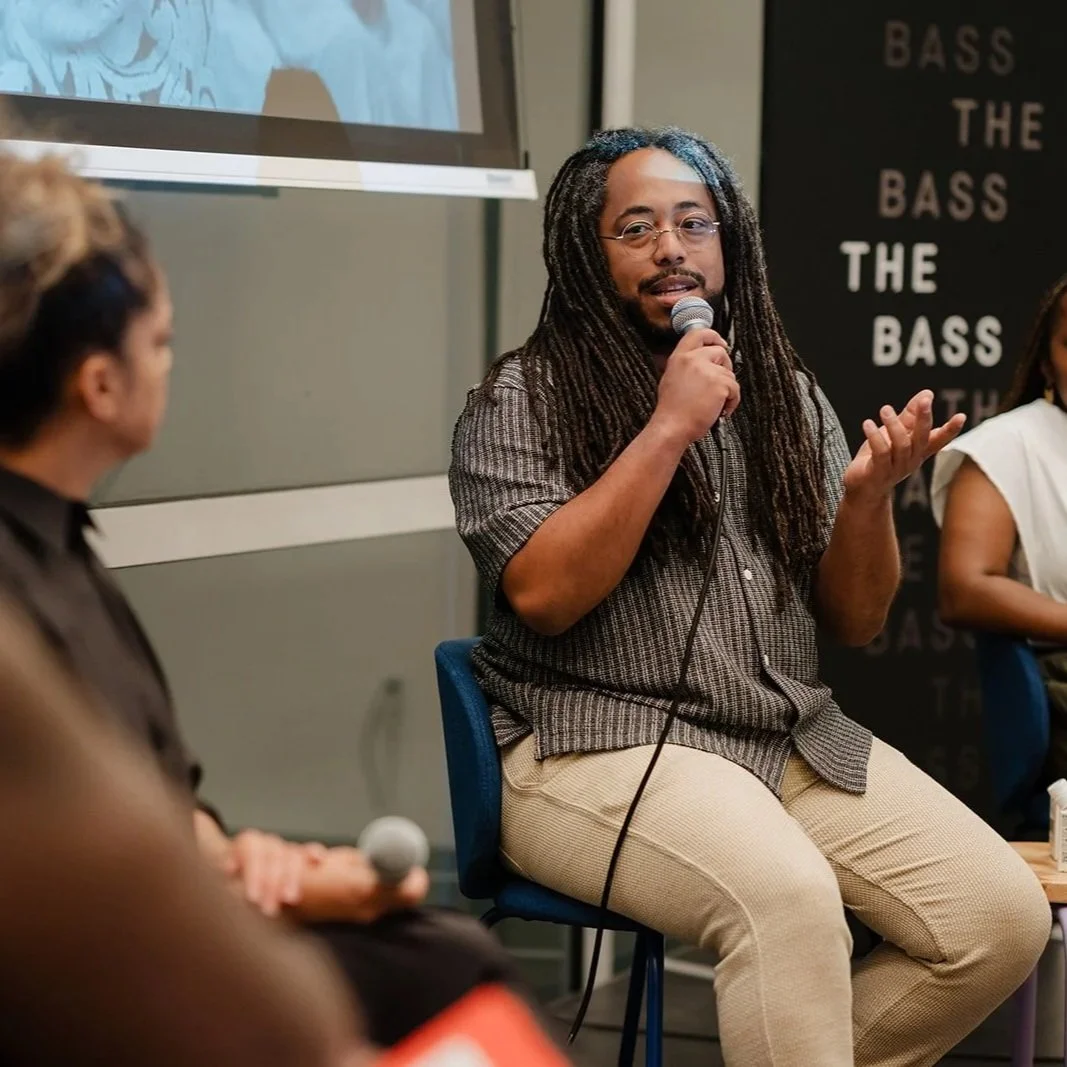
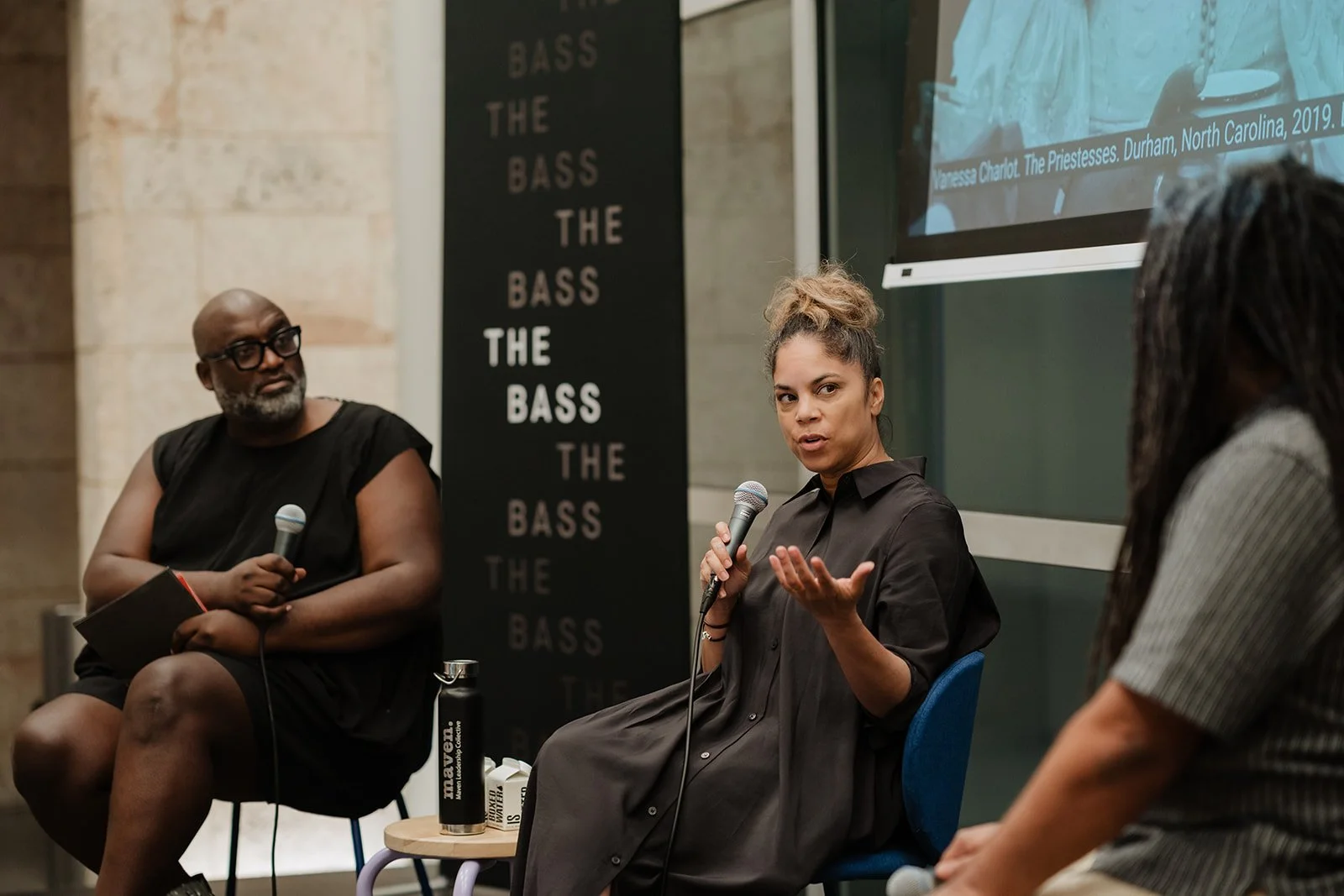
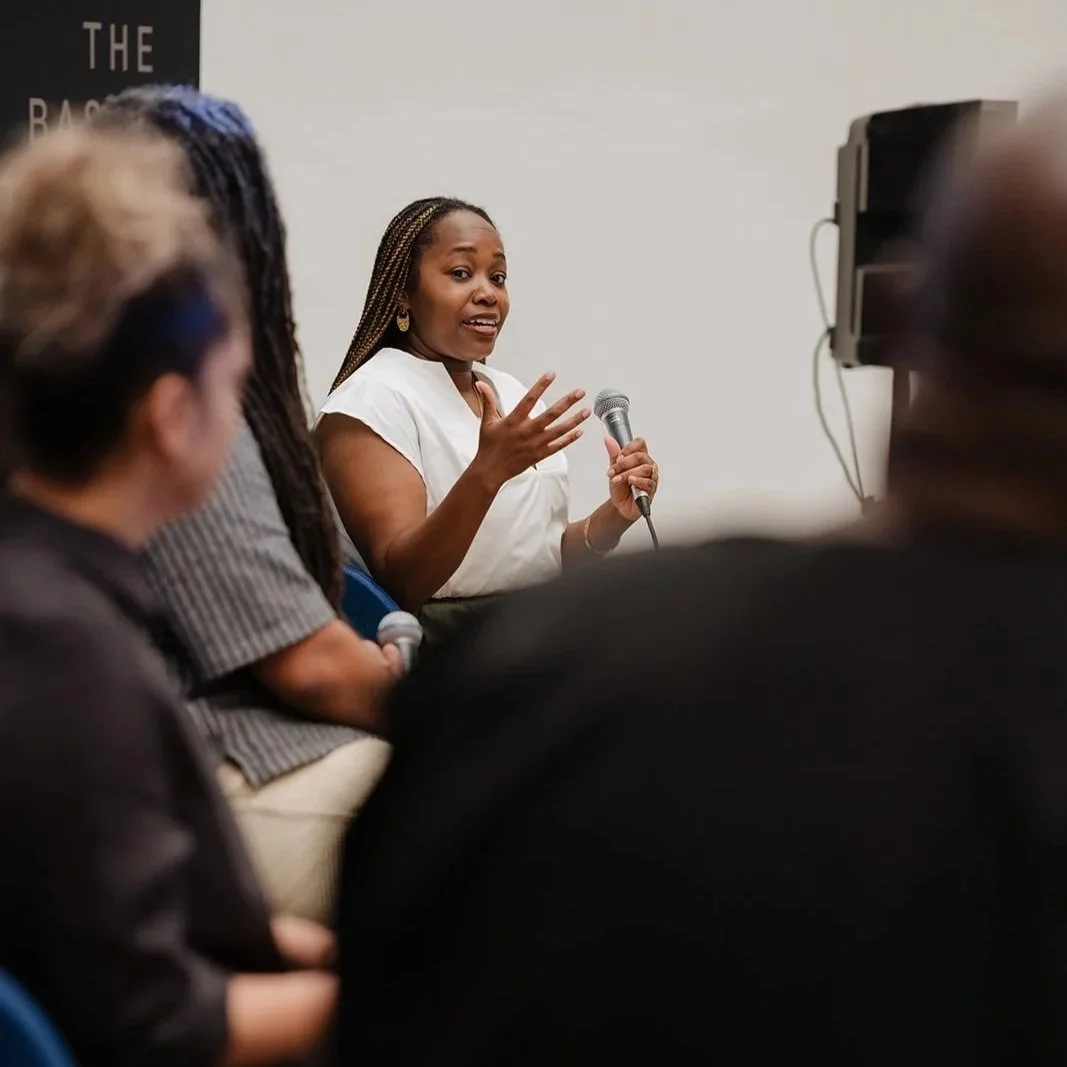
Searching for Collective Memory panel conversation. Photo by Chantal Lawrie
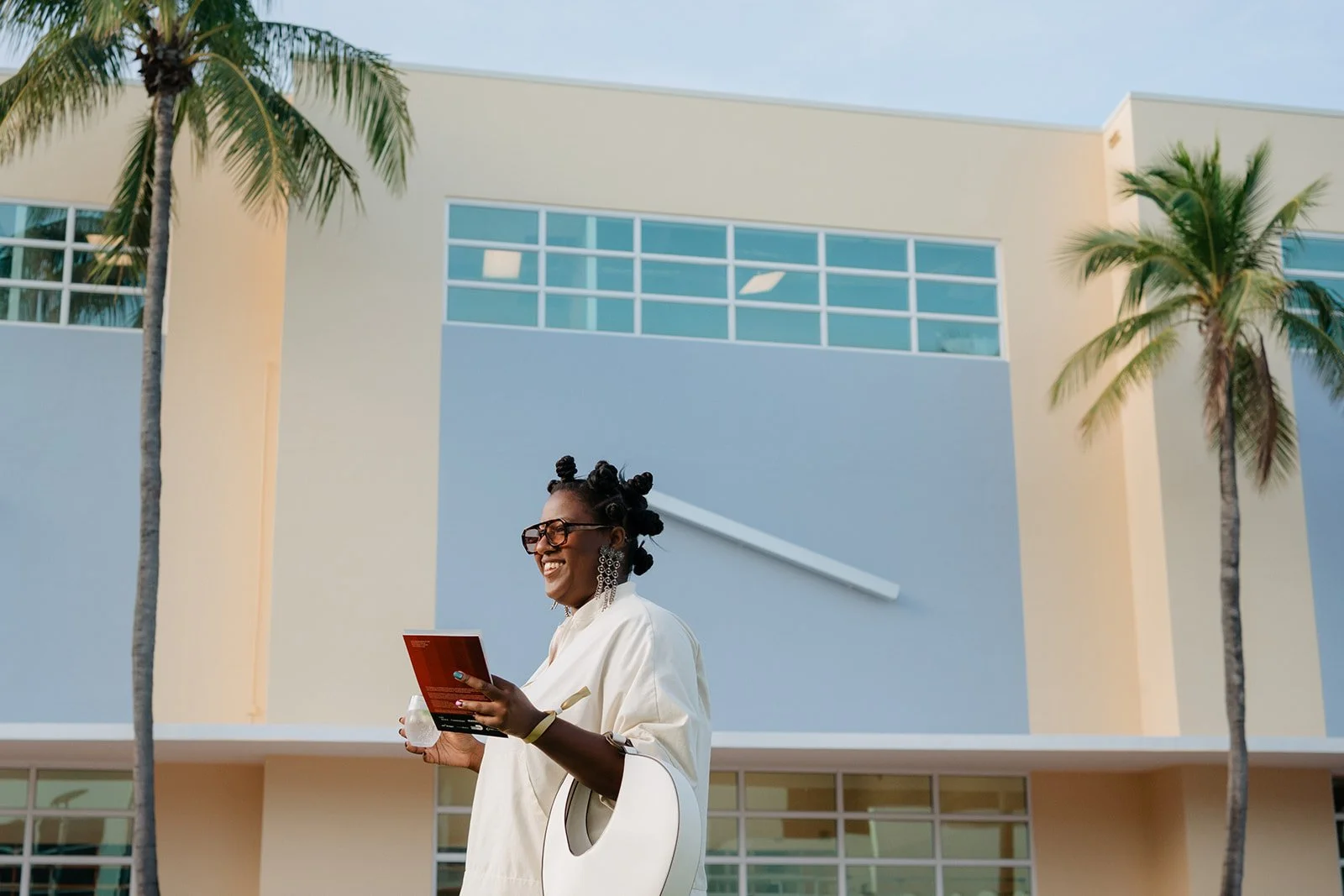
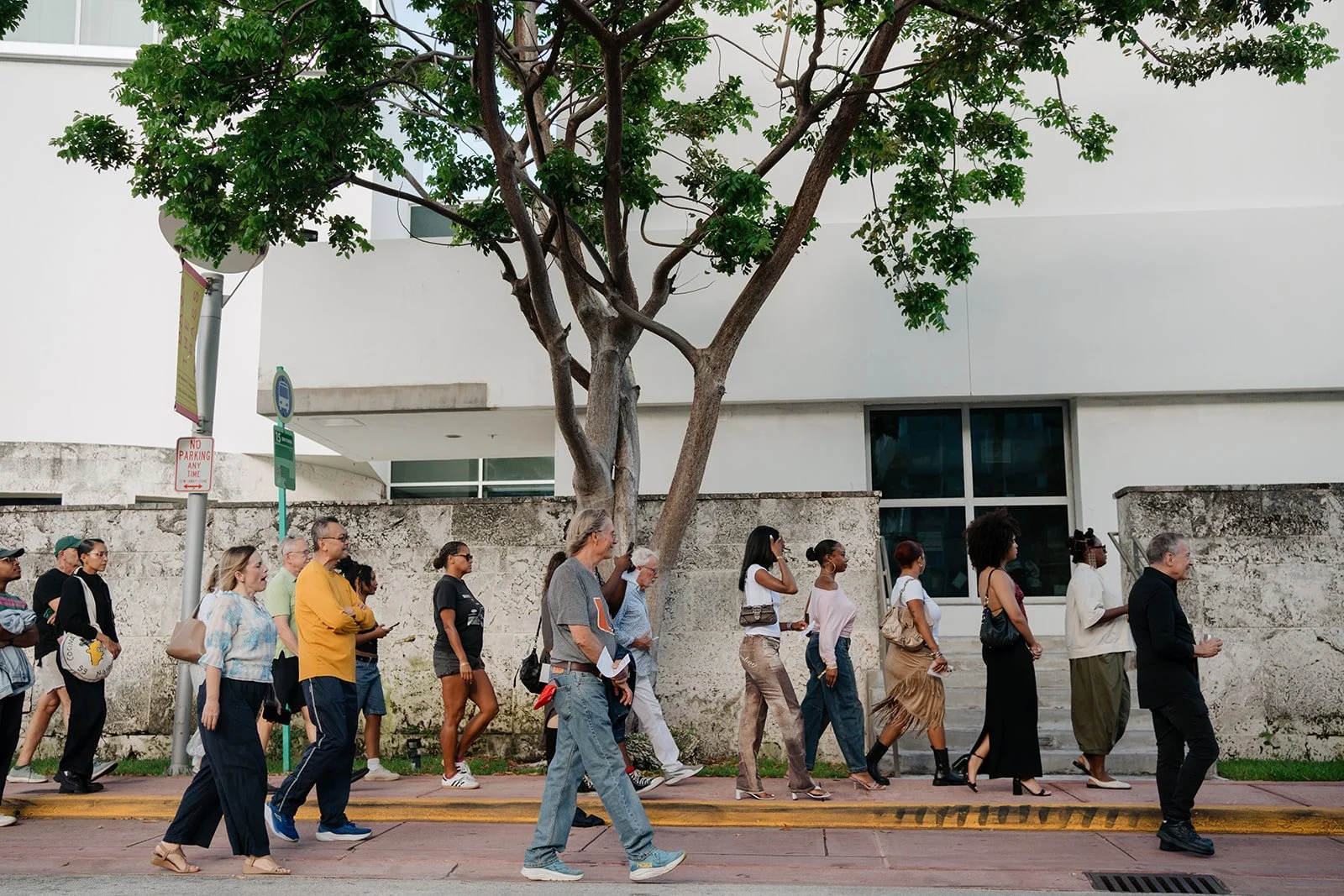
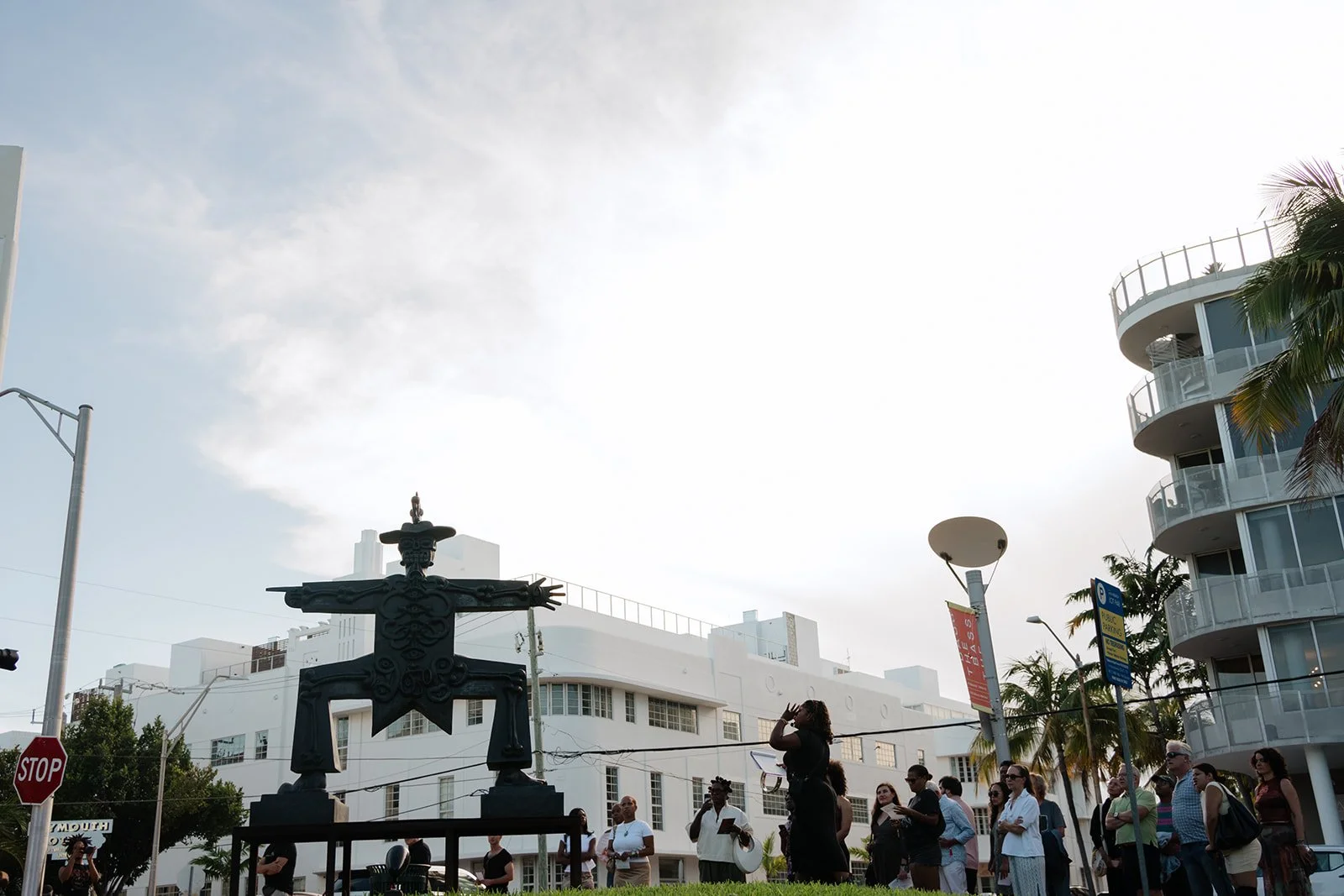
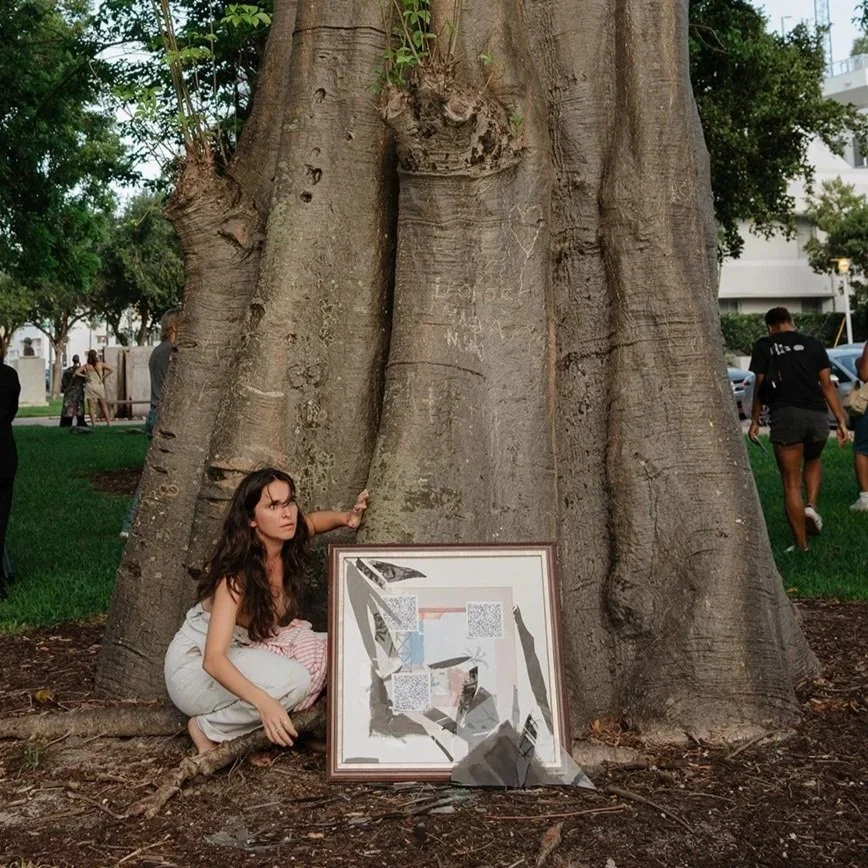
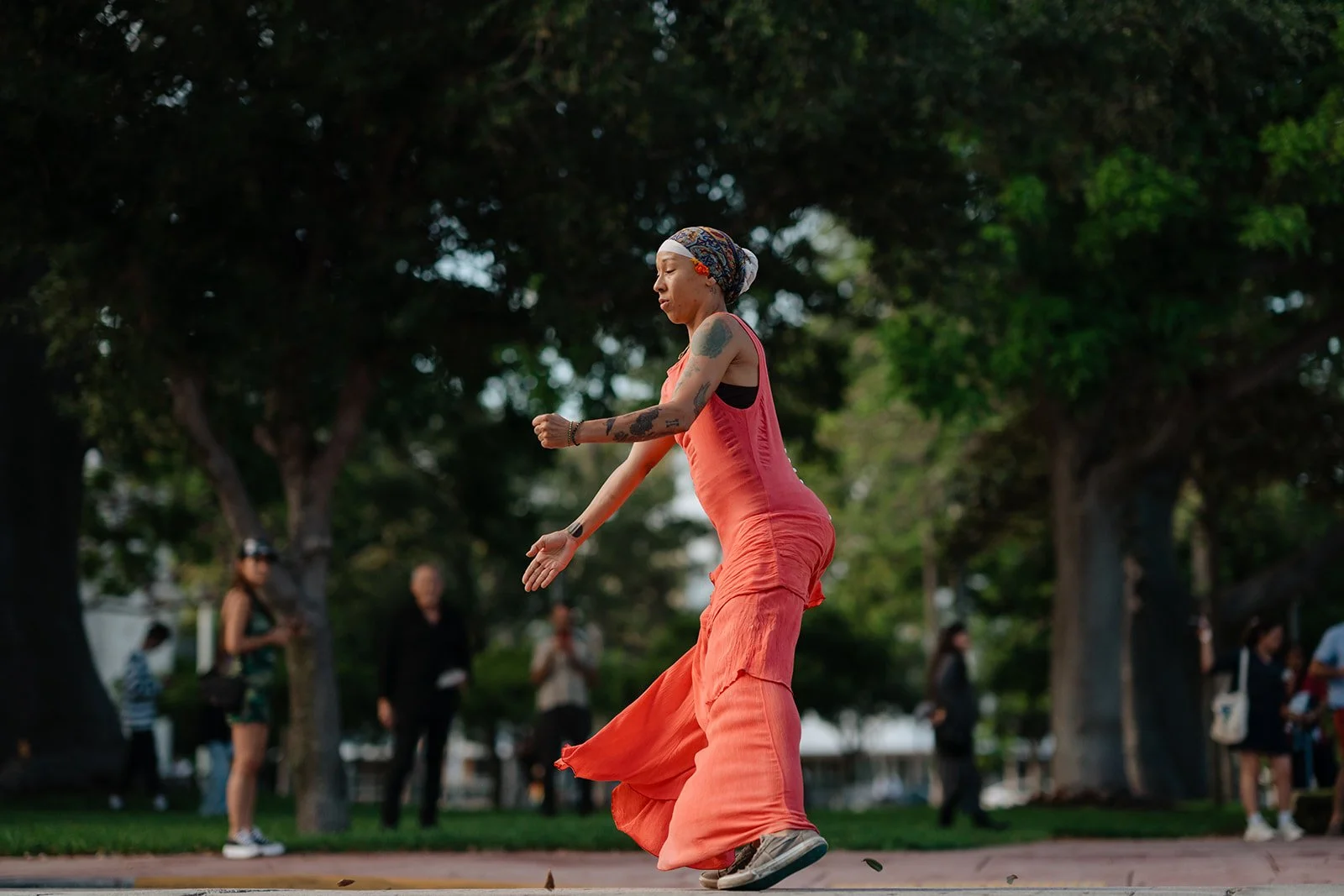
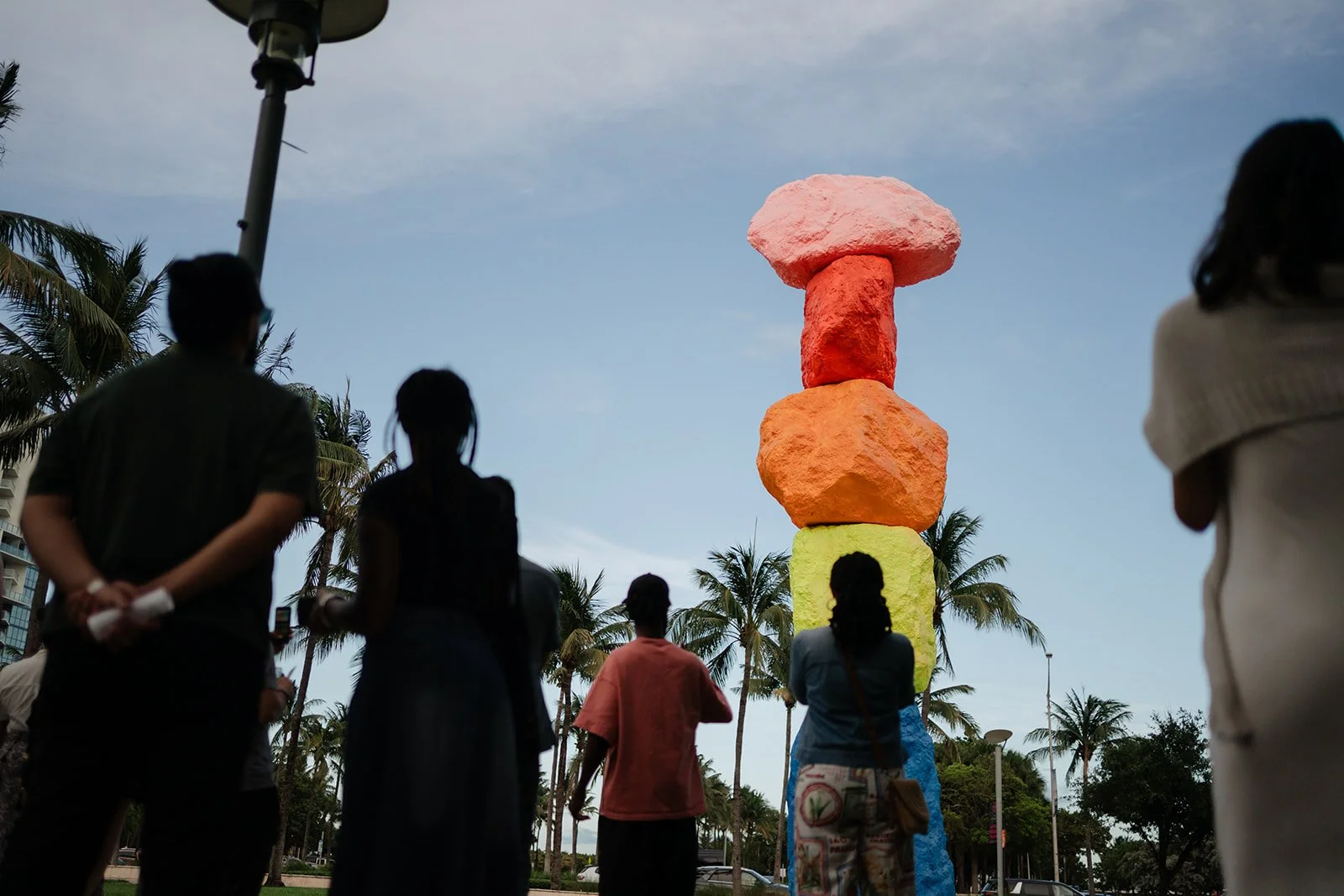
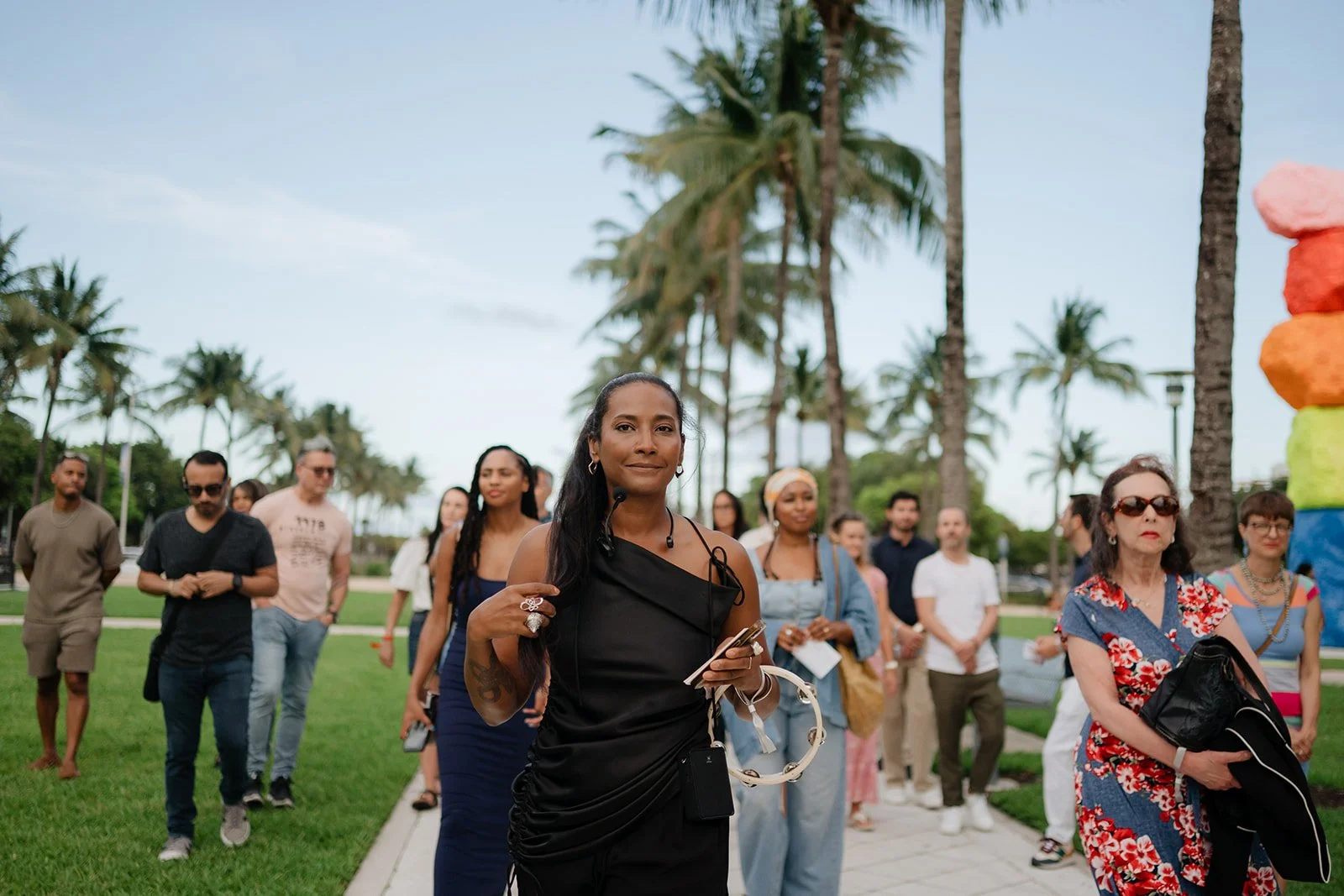
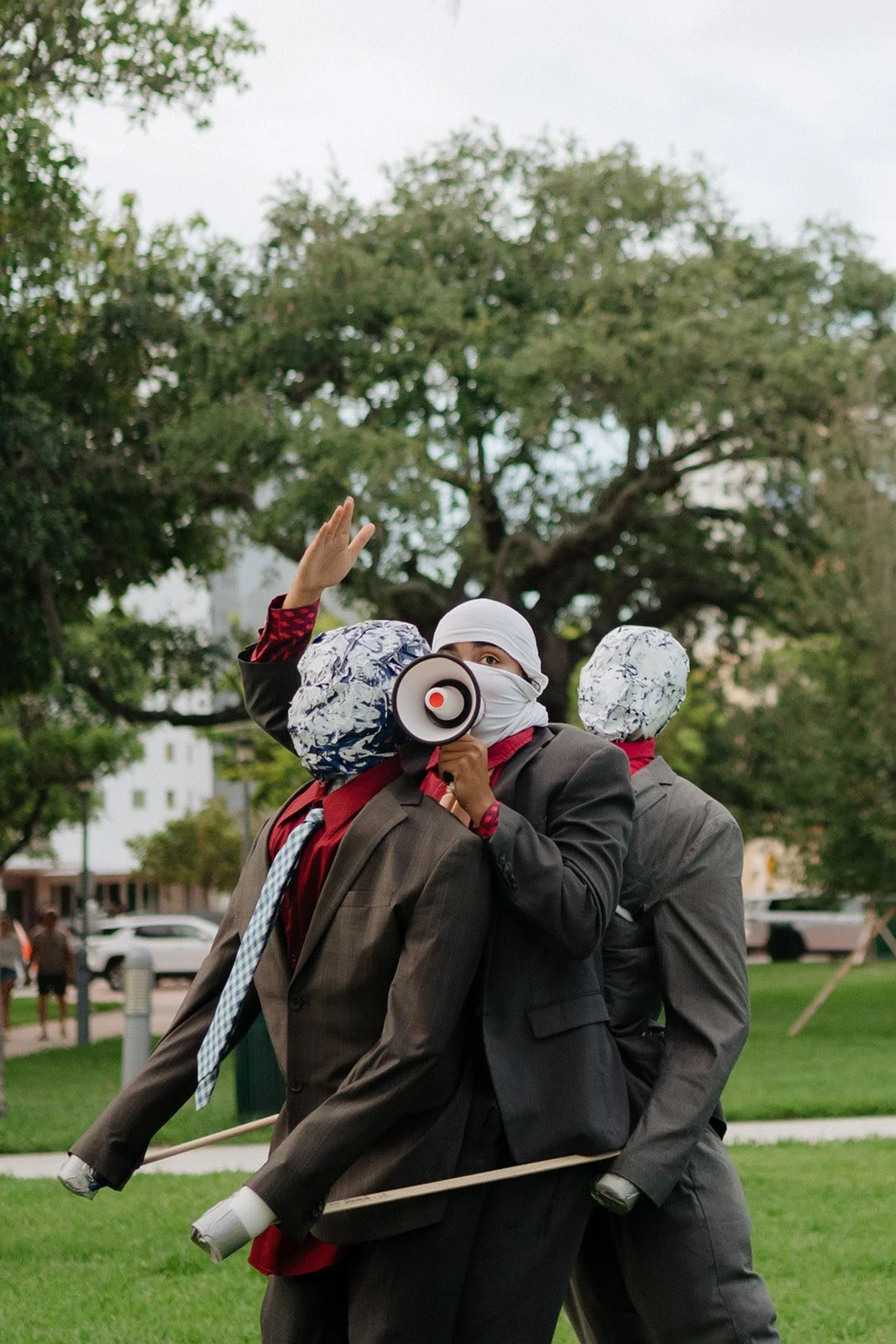
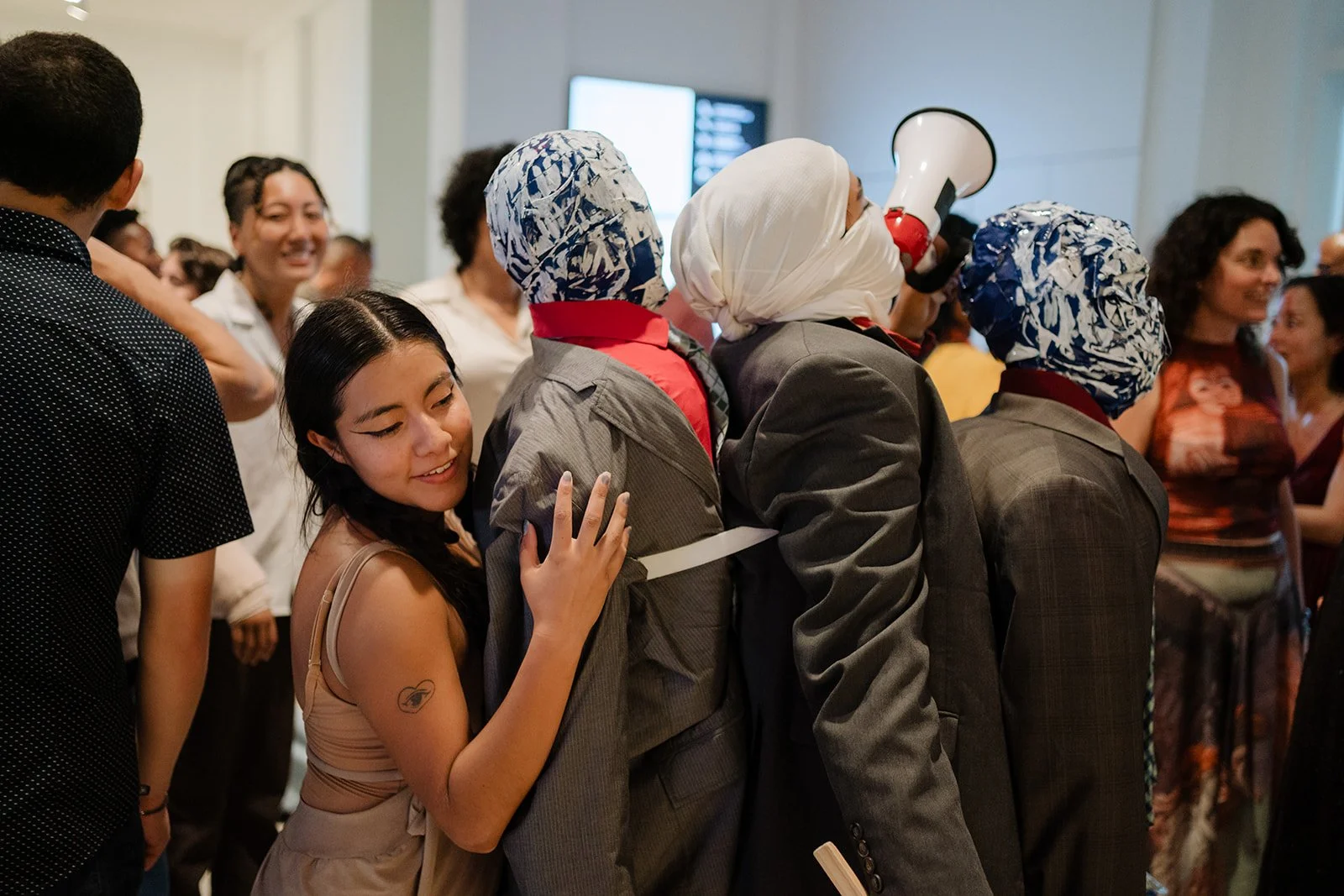
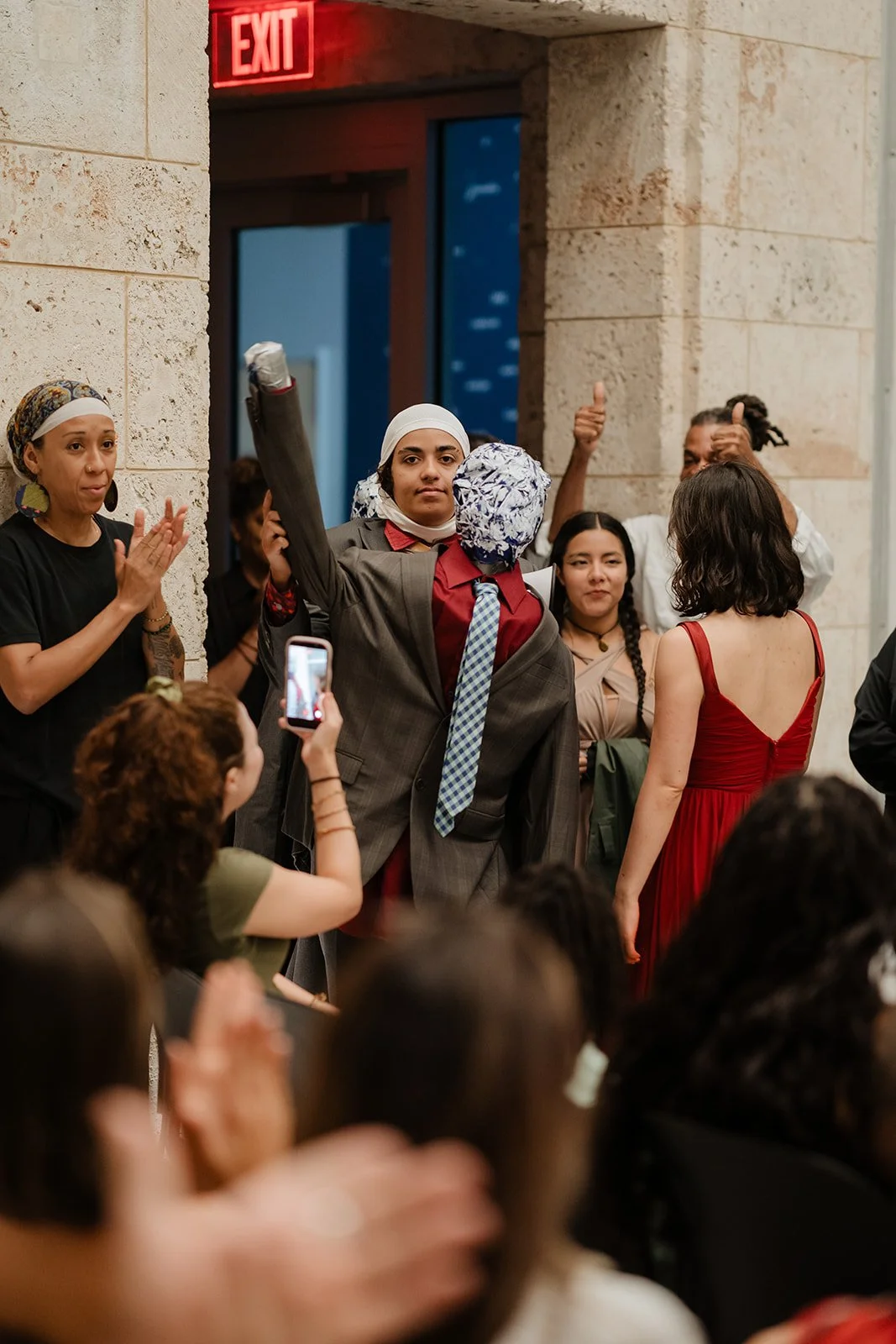
Interspersed throughout Collins Park, unwittingly flirting with the concept of “vagabond” by their very presence as movement artists, they freely intervened and interrupted guided tours led by practitioners and co-conspirators Lauren Baccus, Lauryn Lawrence, and Veronica Pesantes.
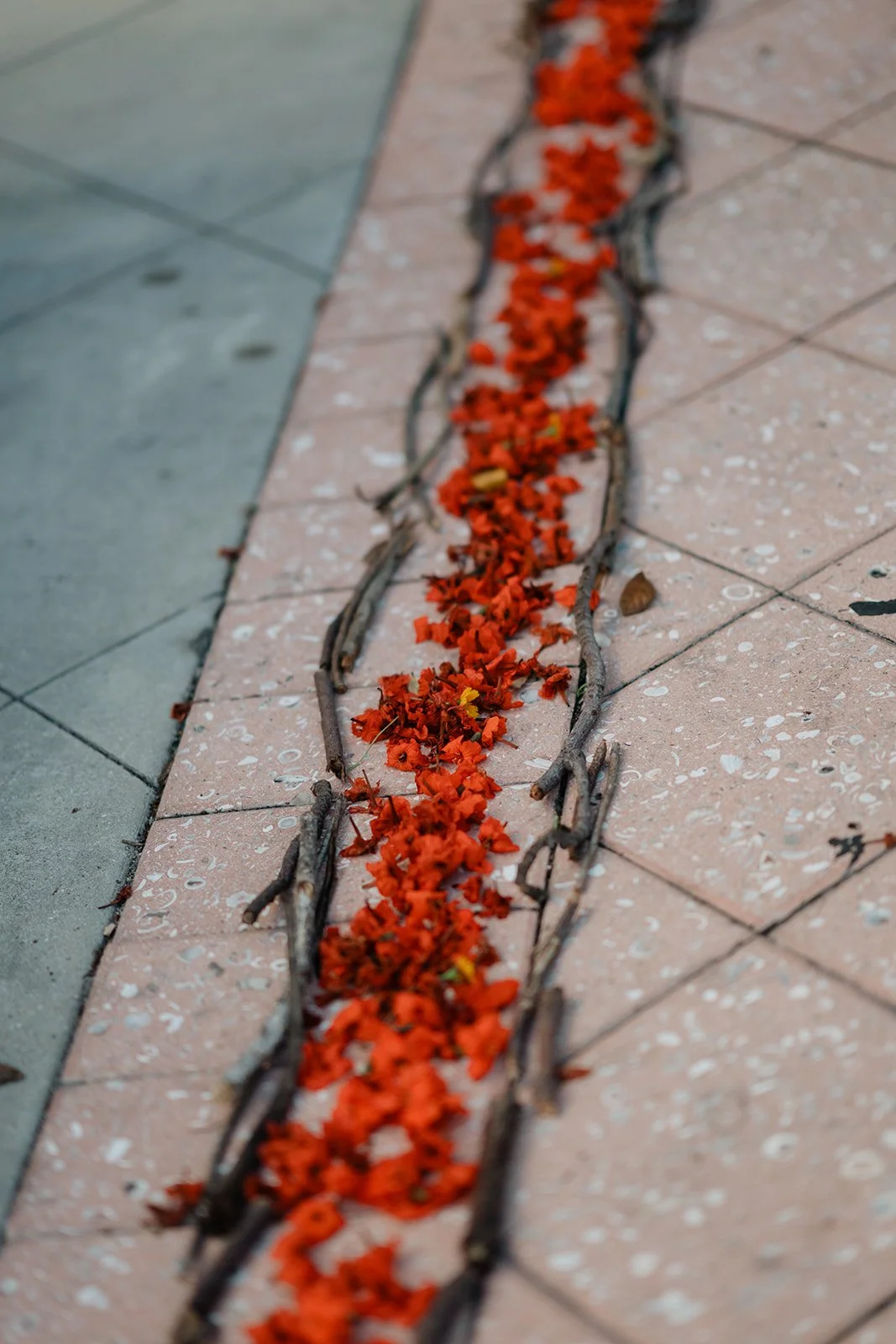
At times, these interventions had the effect of illuminating narratives about the public artworks in the park—installations, sculpture, and monuments by artists such as Carola Bravo, Jim Drain, Silvie Fleury, Carlos Luna, Ugo Rondinone, and Lawrence Weiner. Conversely, they also foiled assumptions, disrupting and even challenging established notions of art and ownership.
Most telling, performances brought the idea of the vagabond into focus, and a sense of dislocation not only in physical space but in visual language.
Resisting the binary
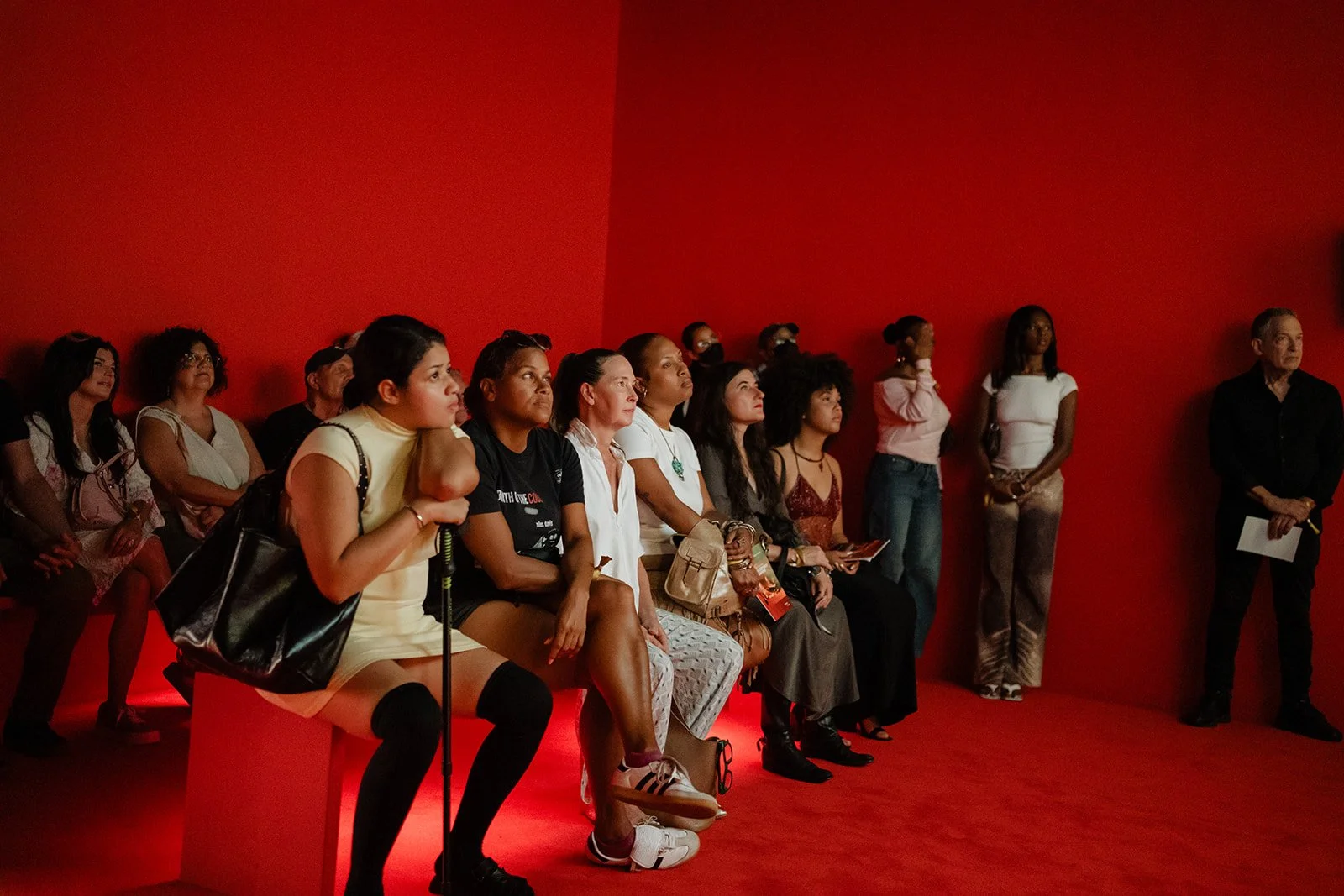
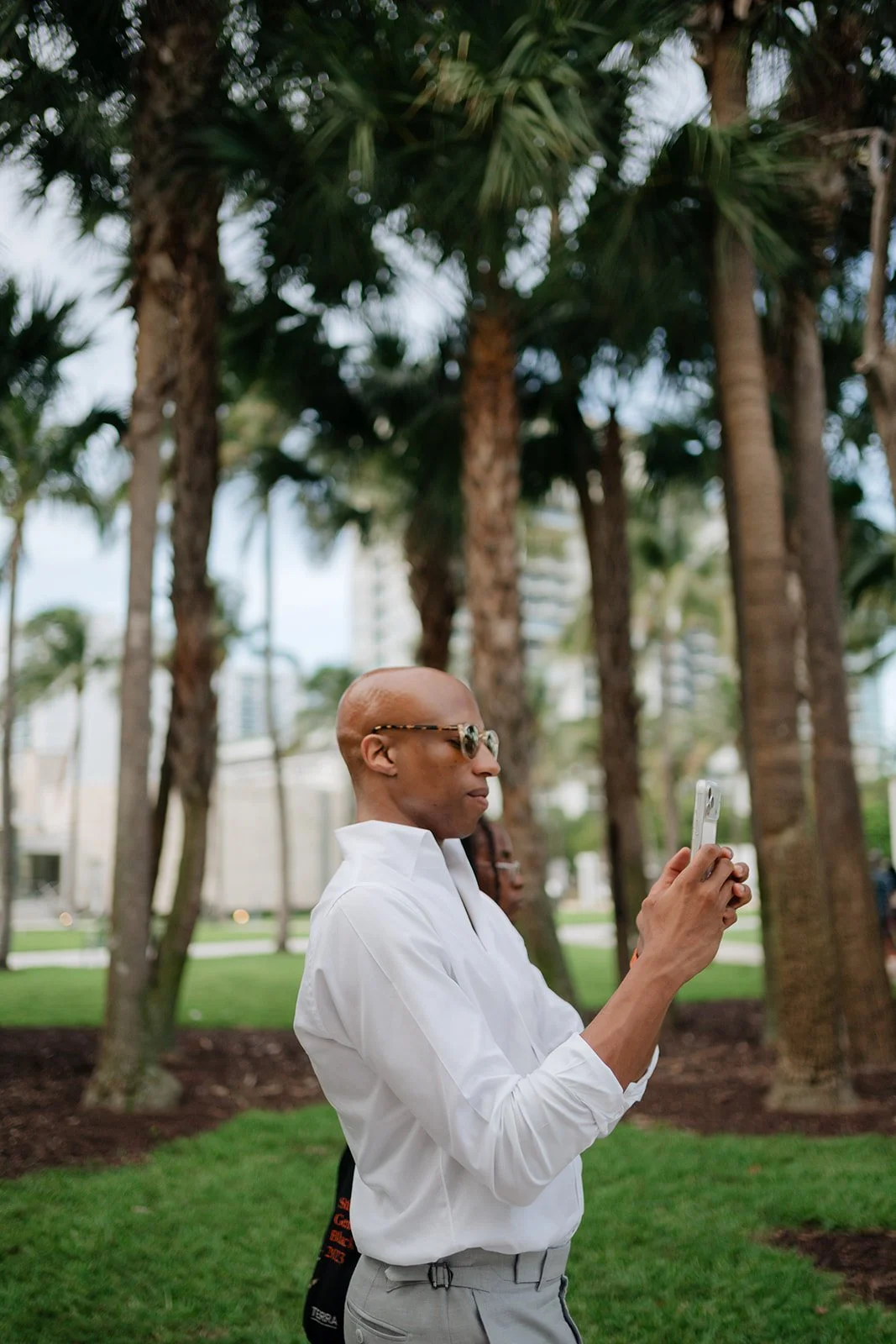
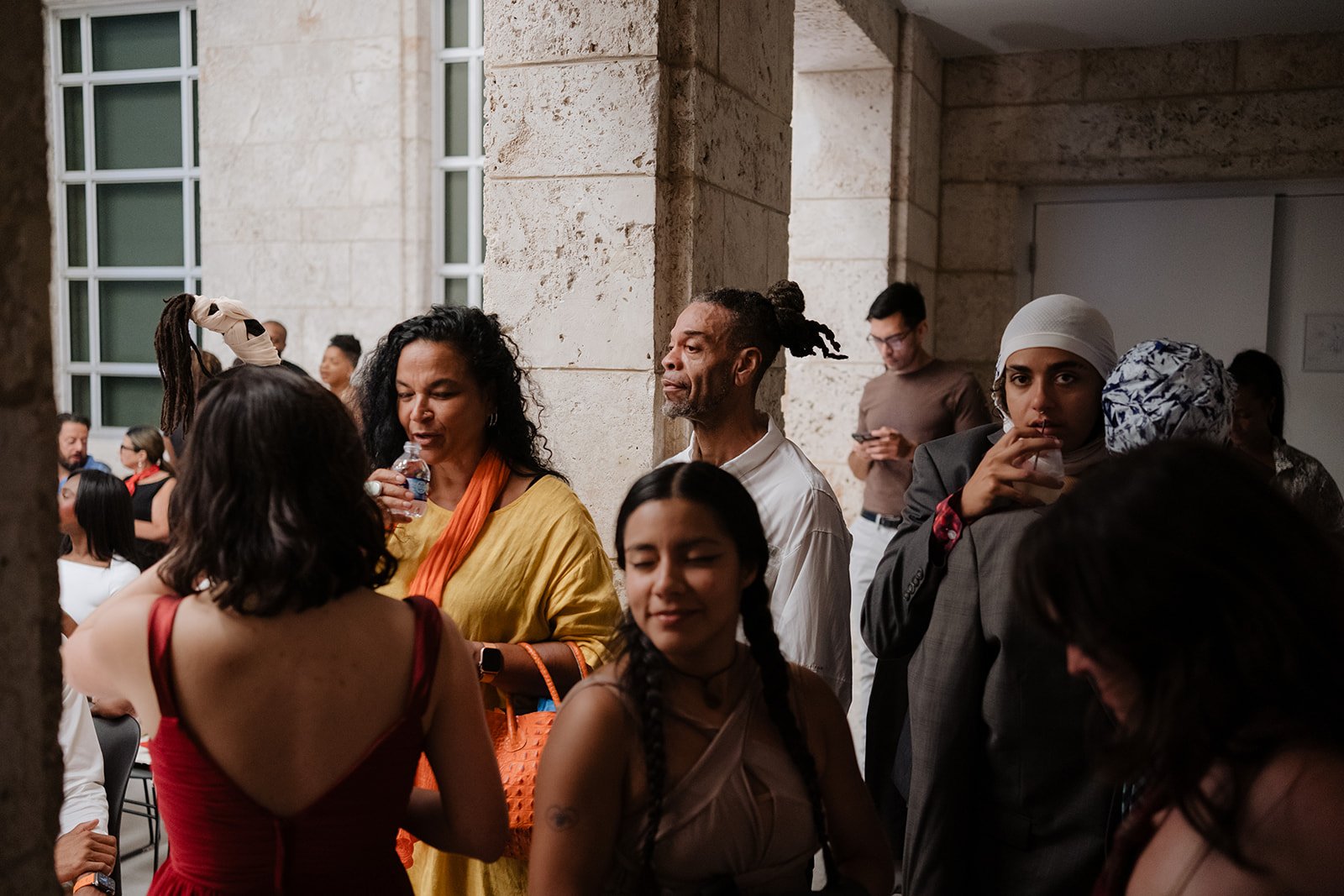
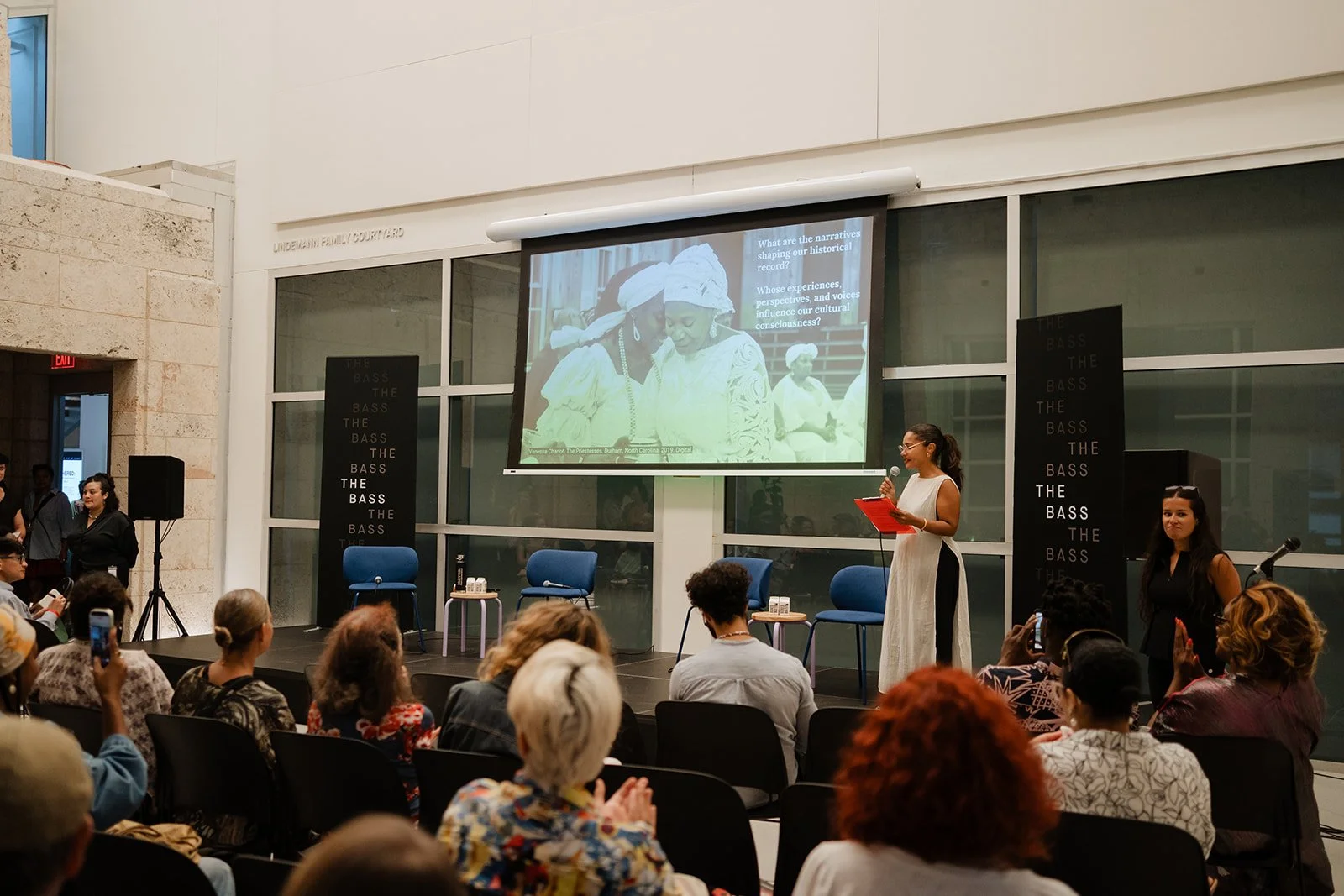
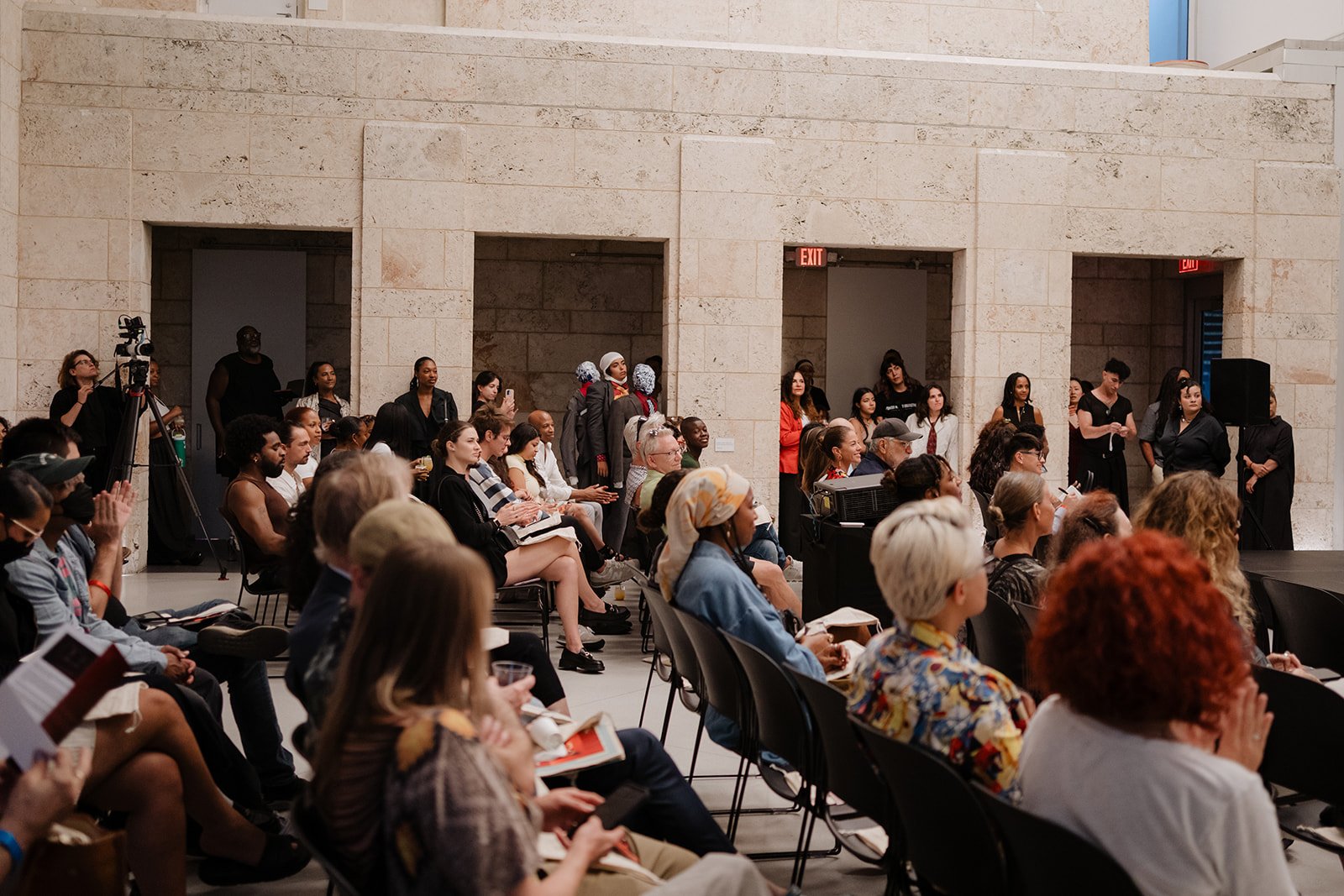
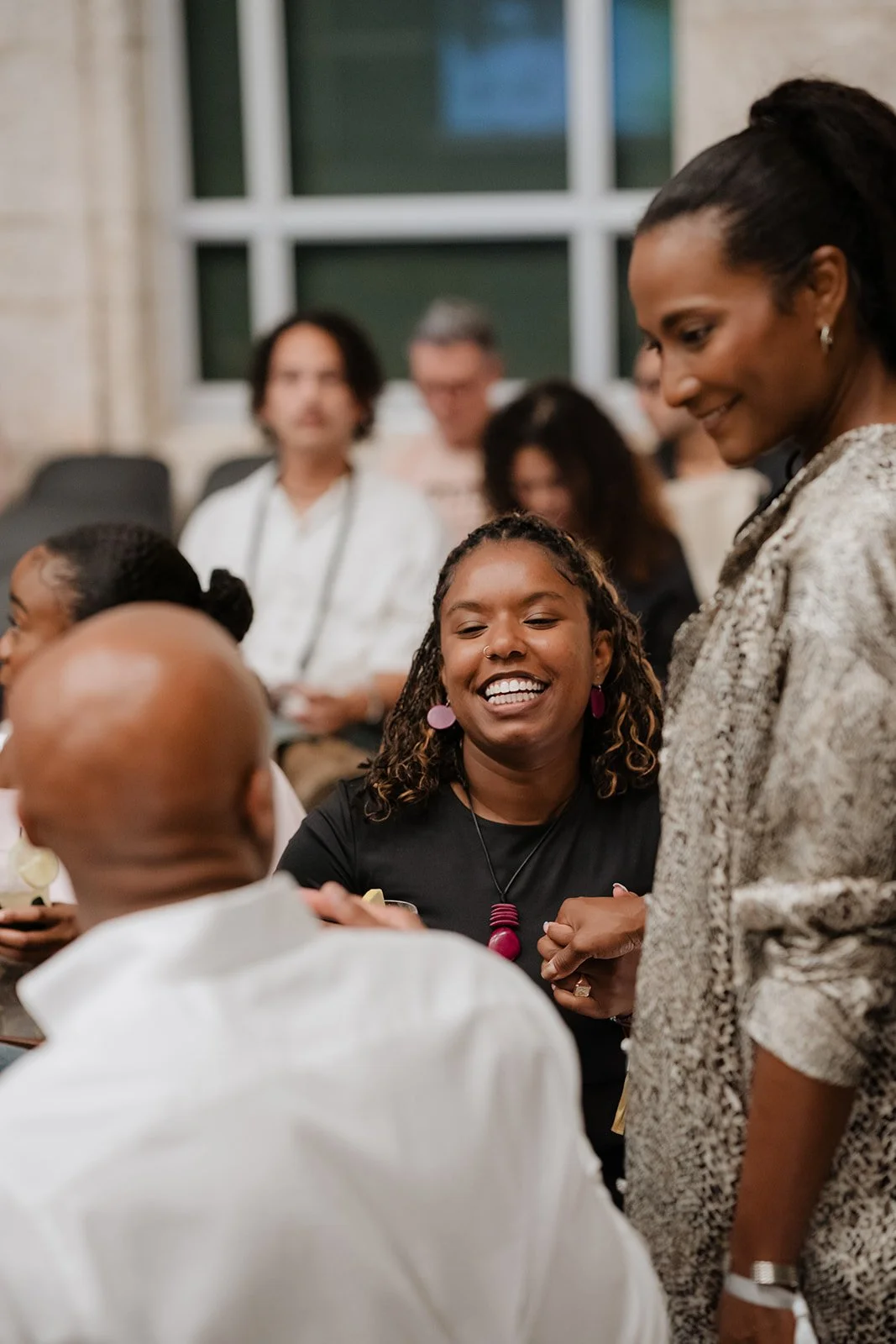
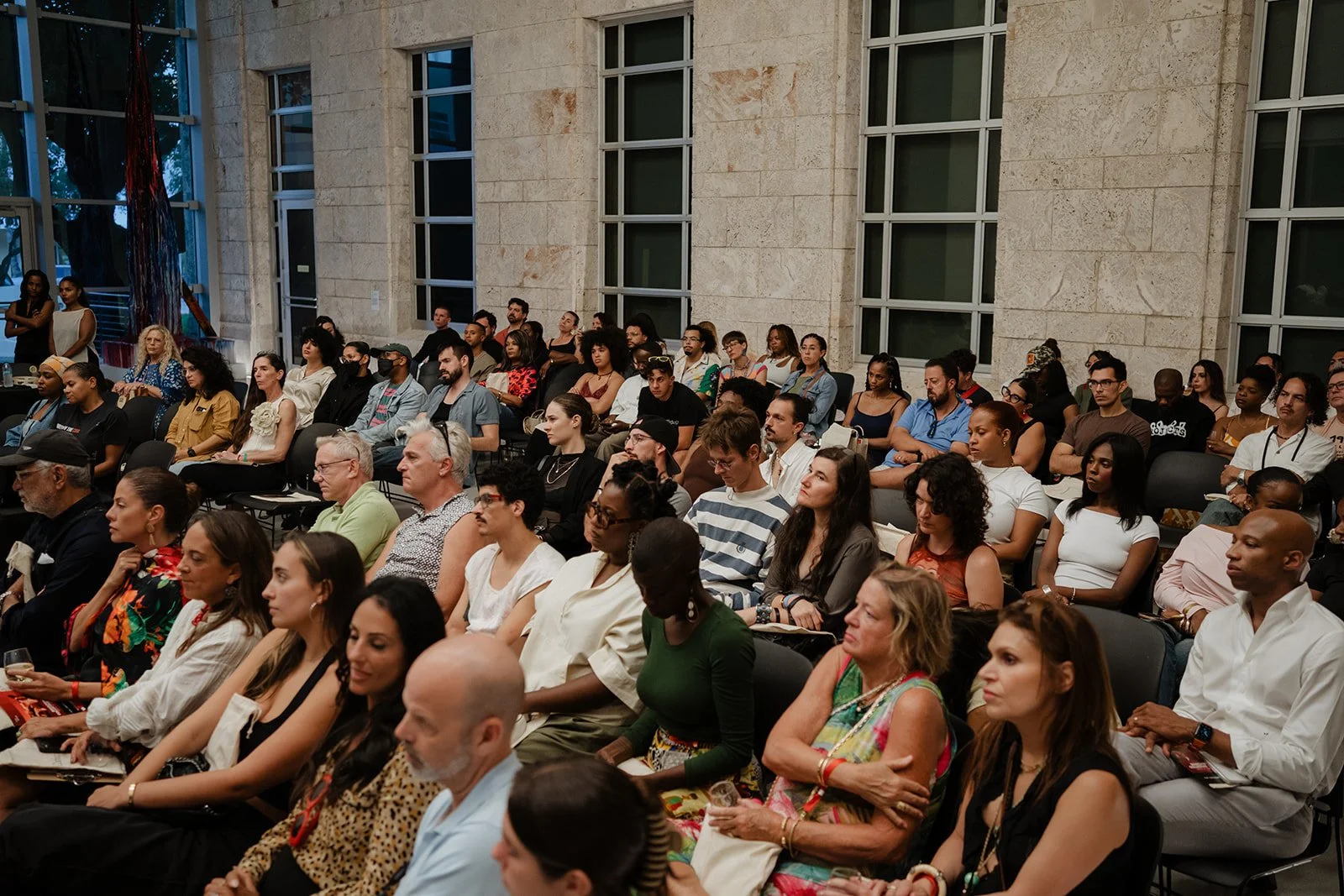
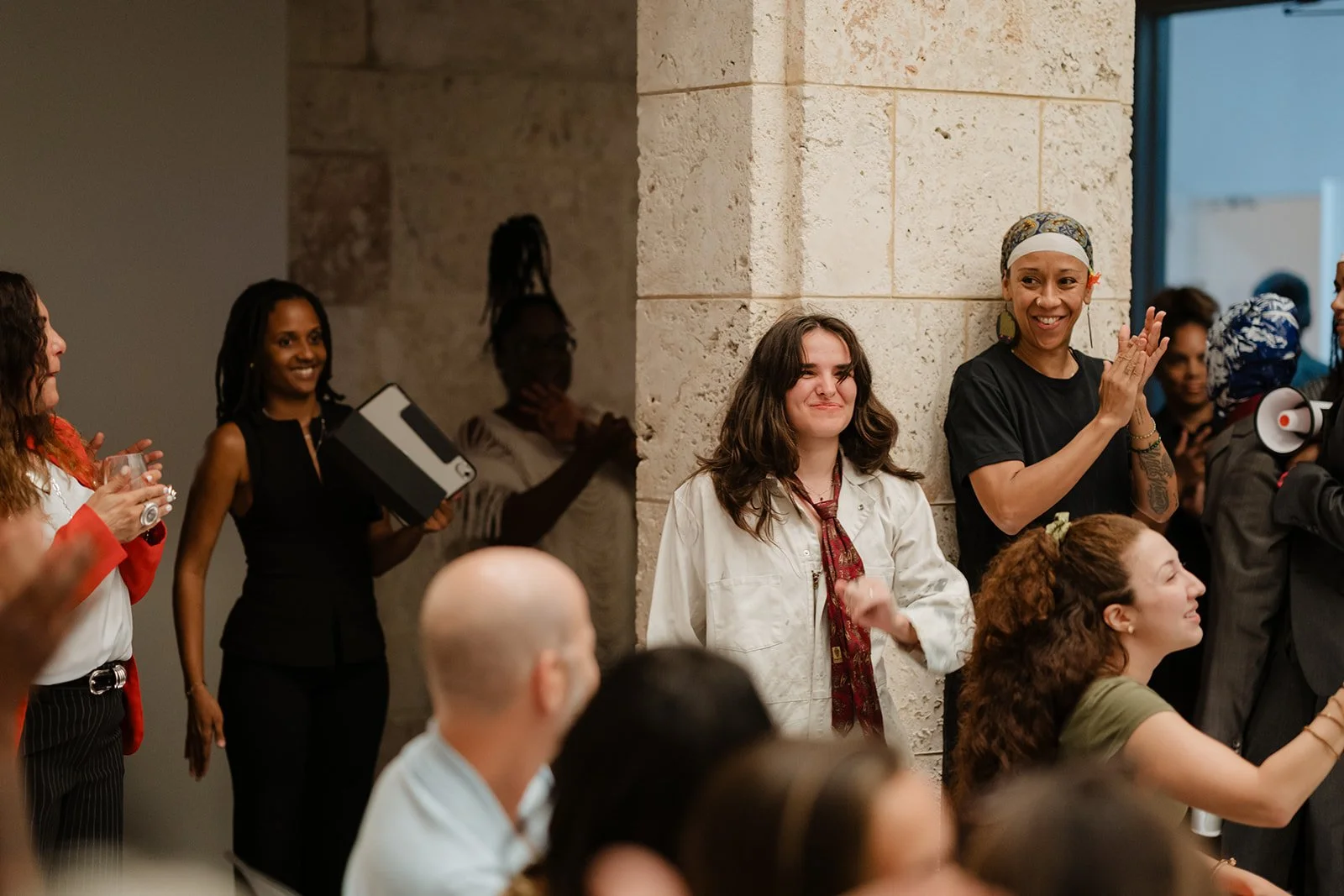
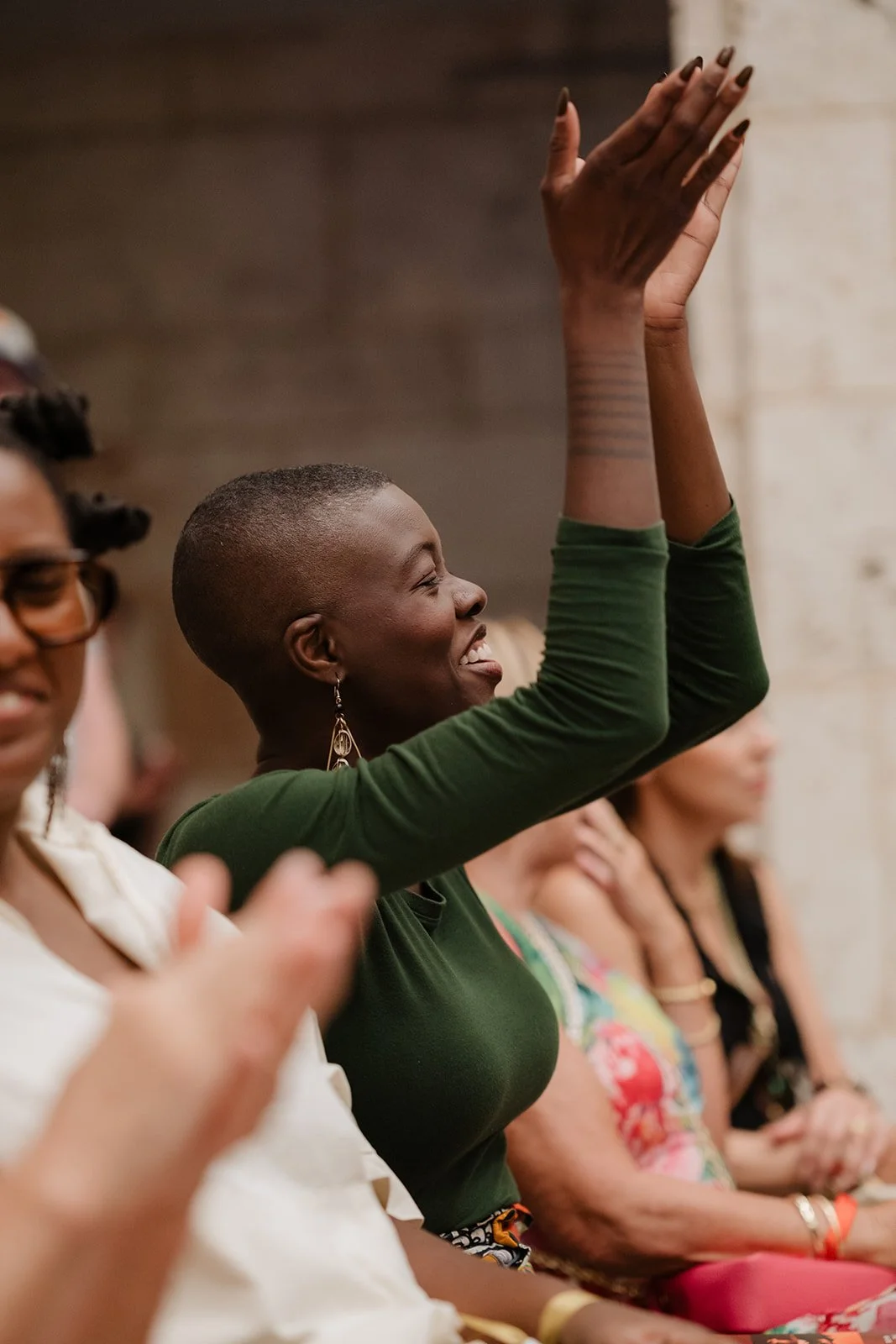
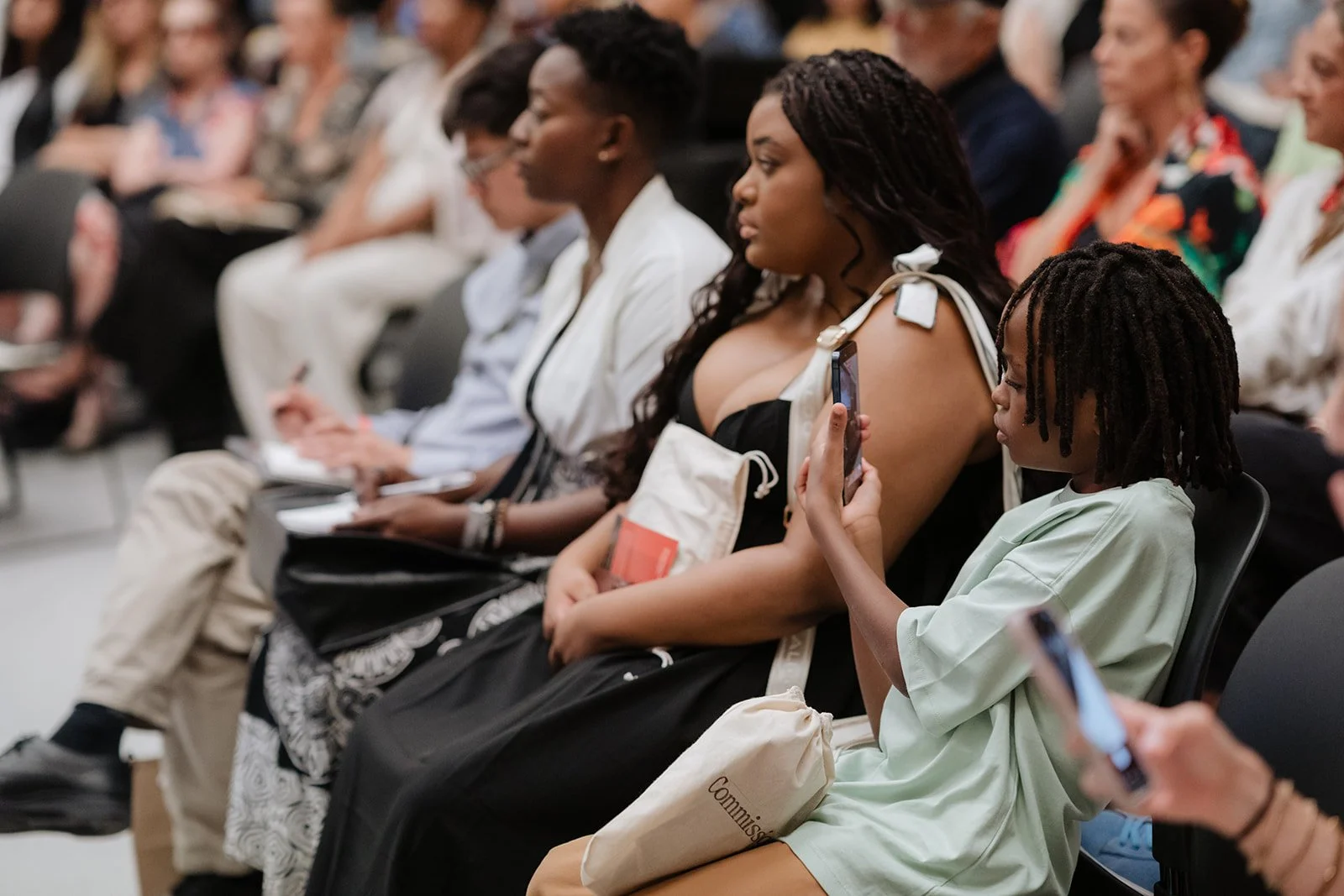
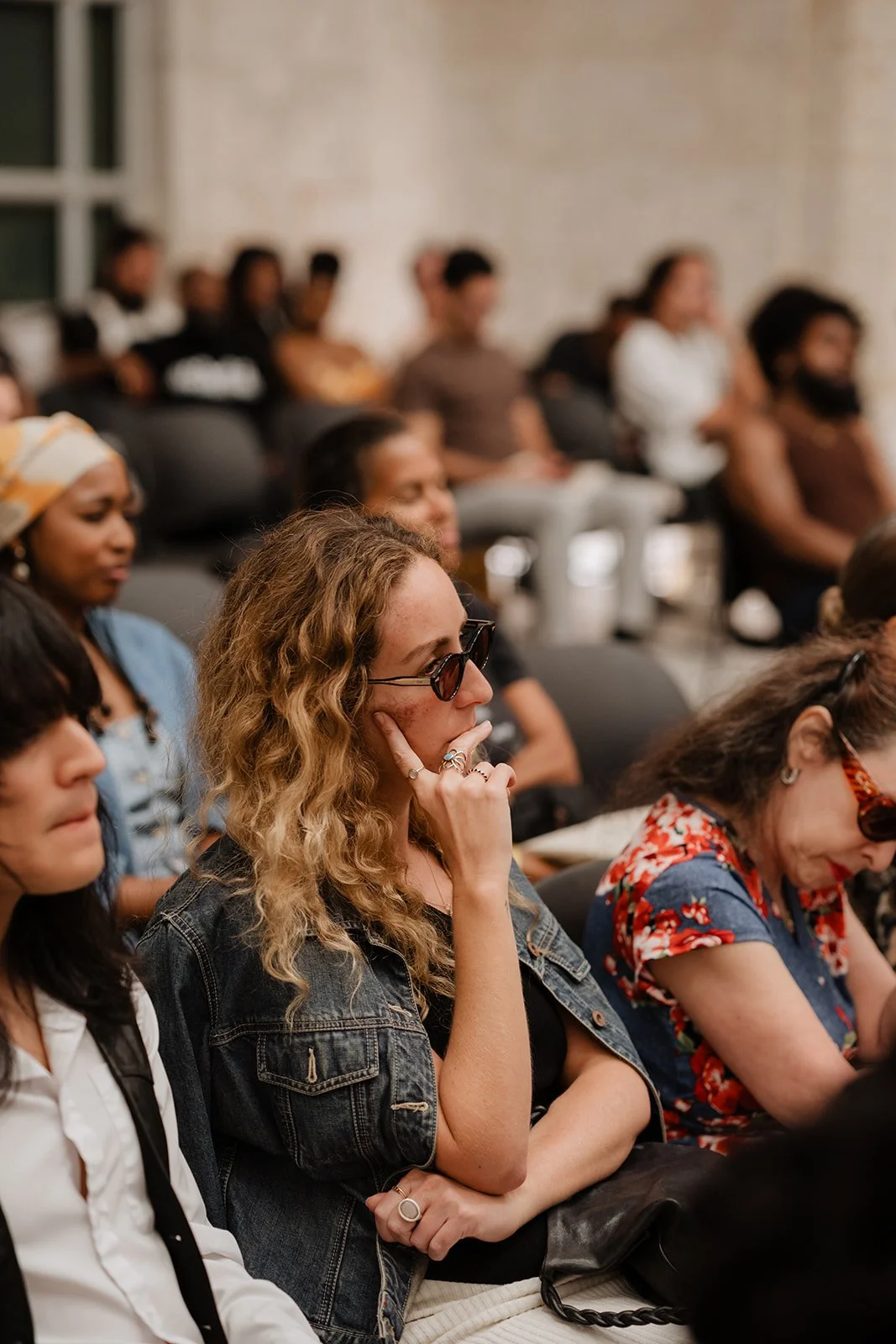
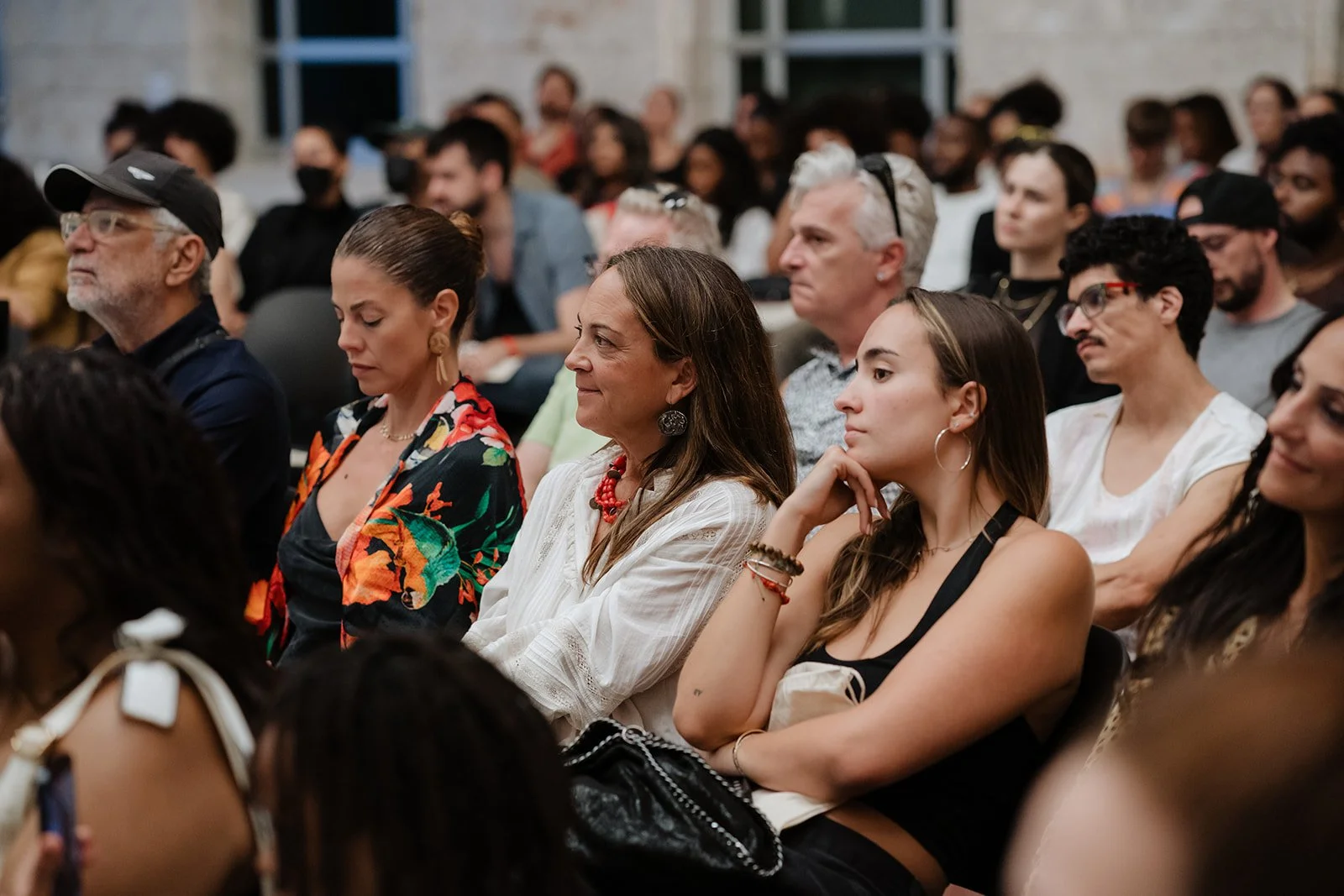
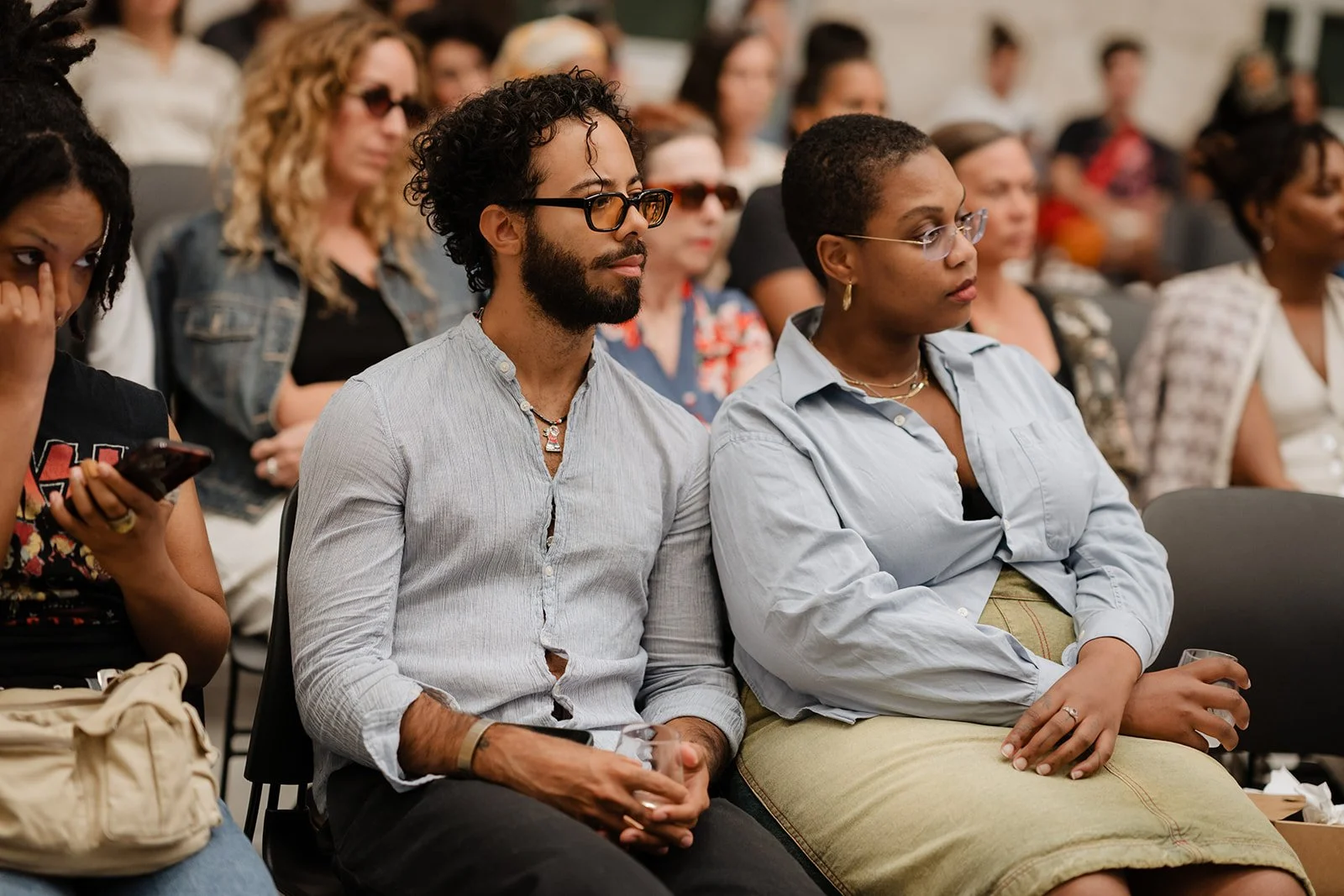
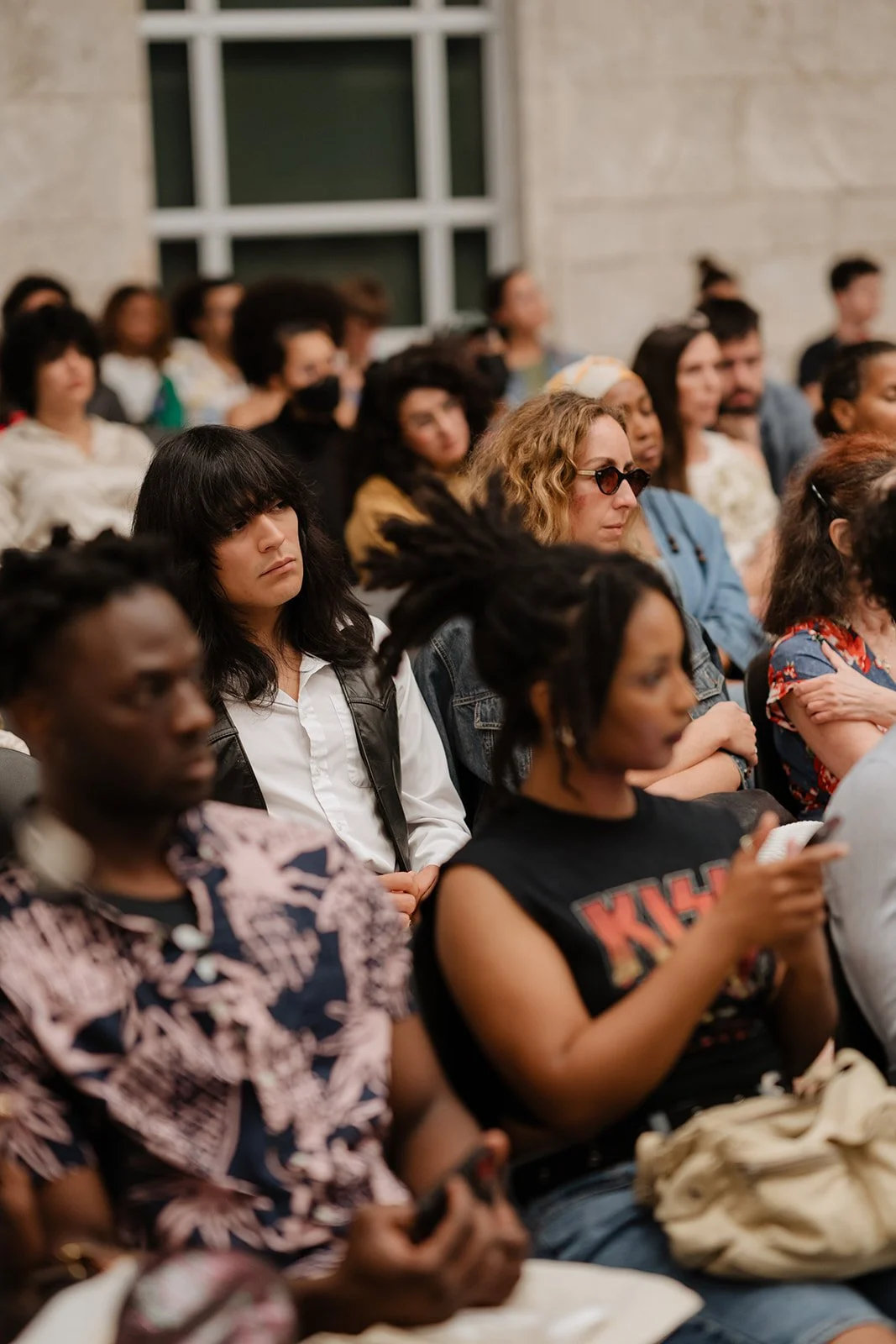
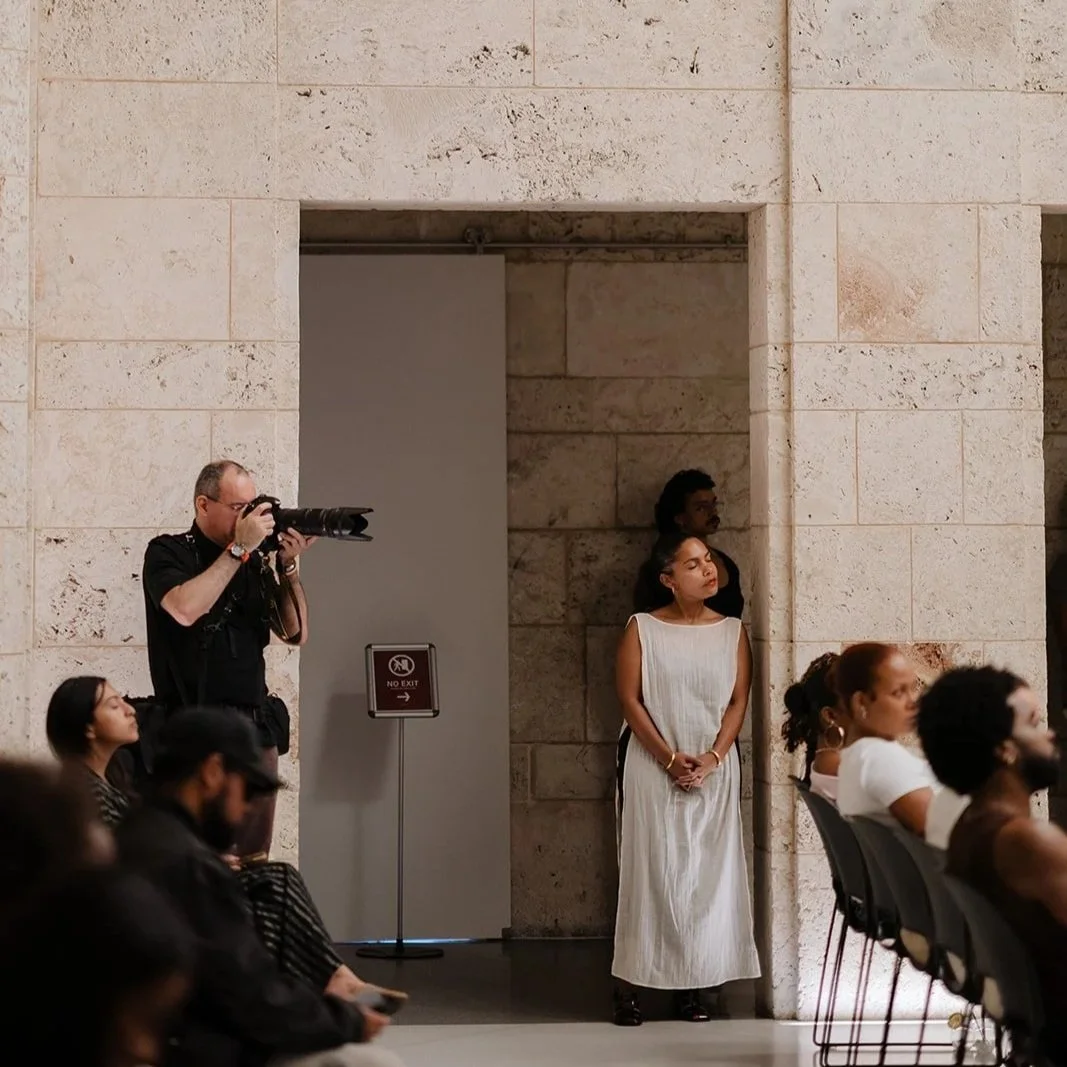
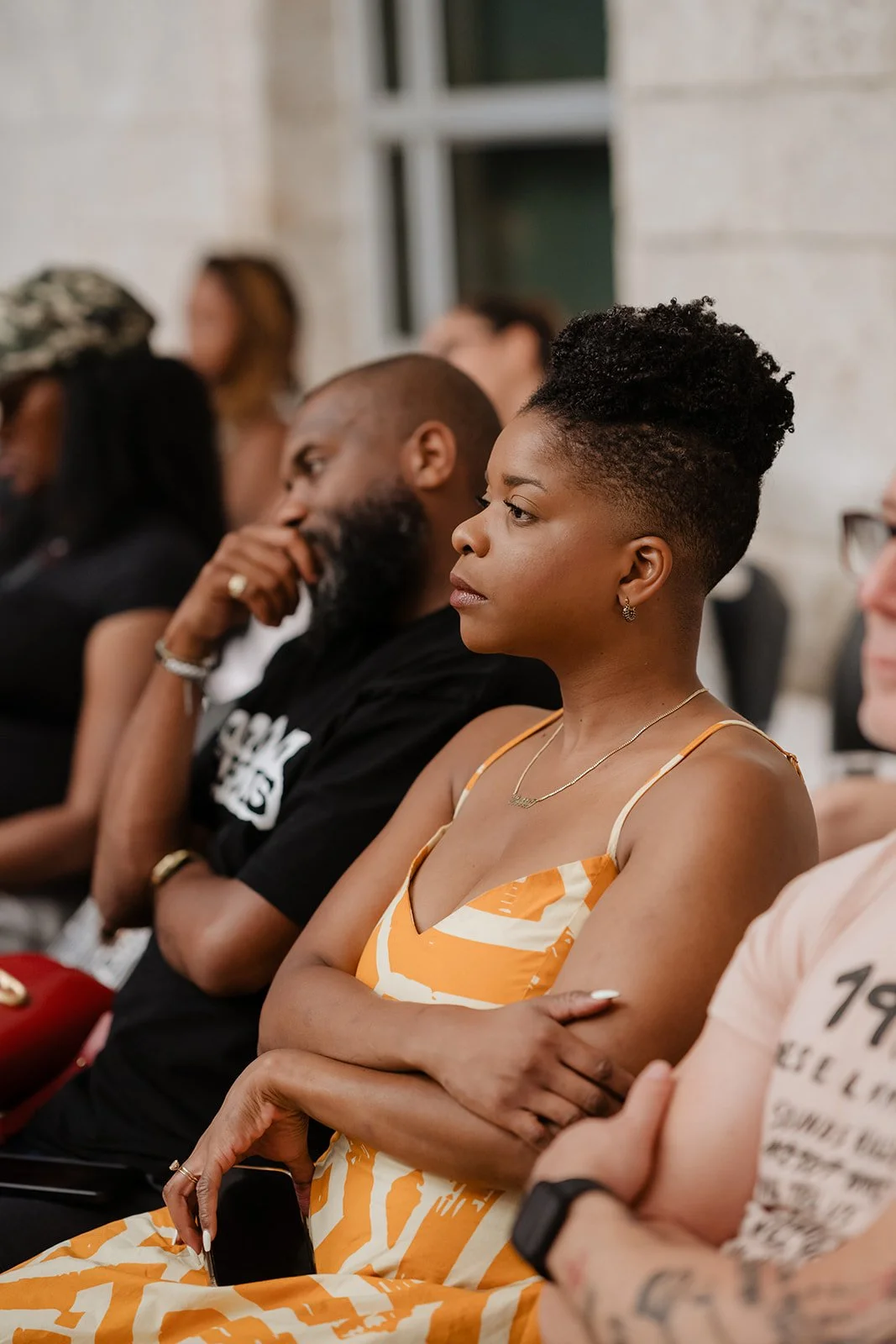
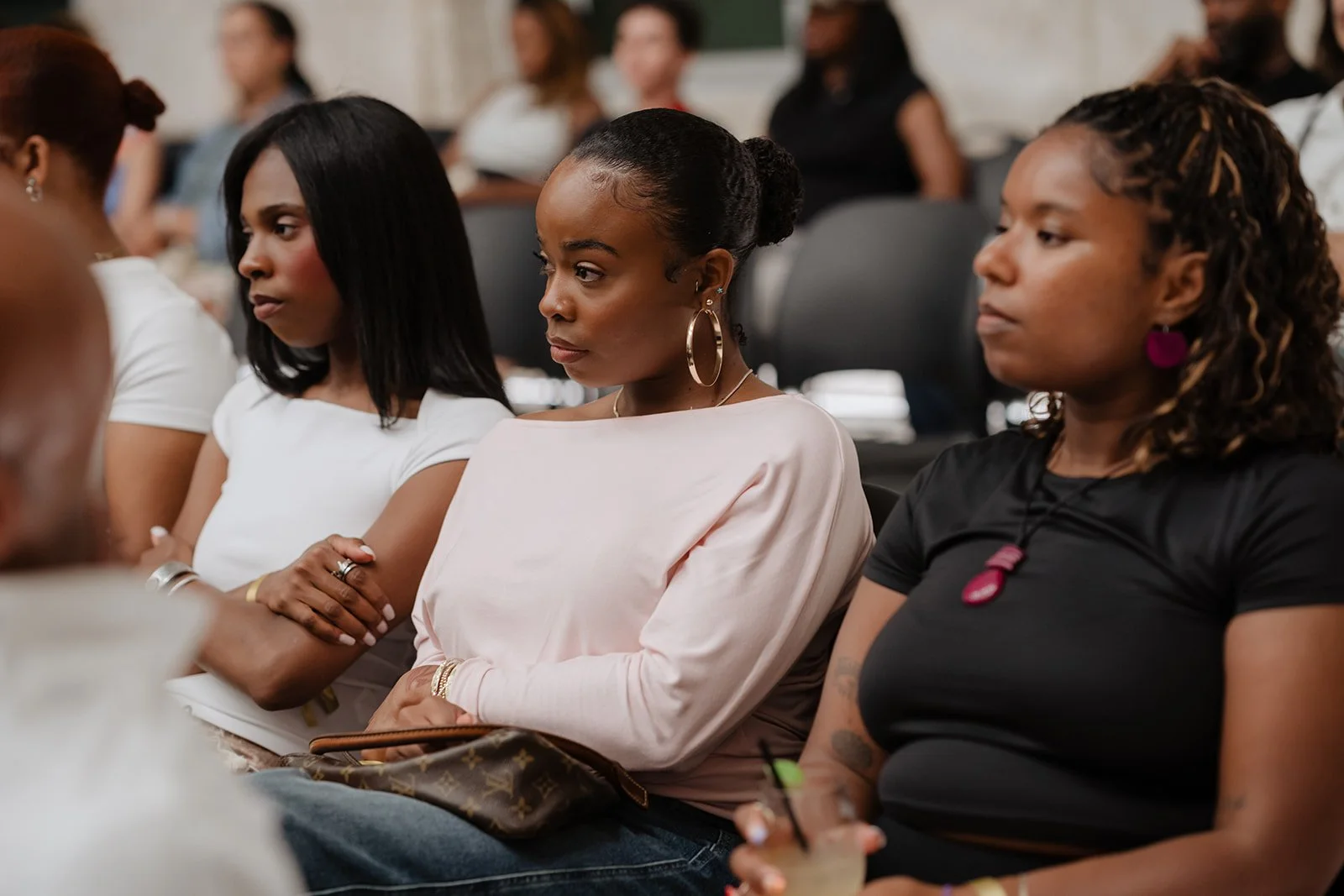
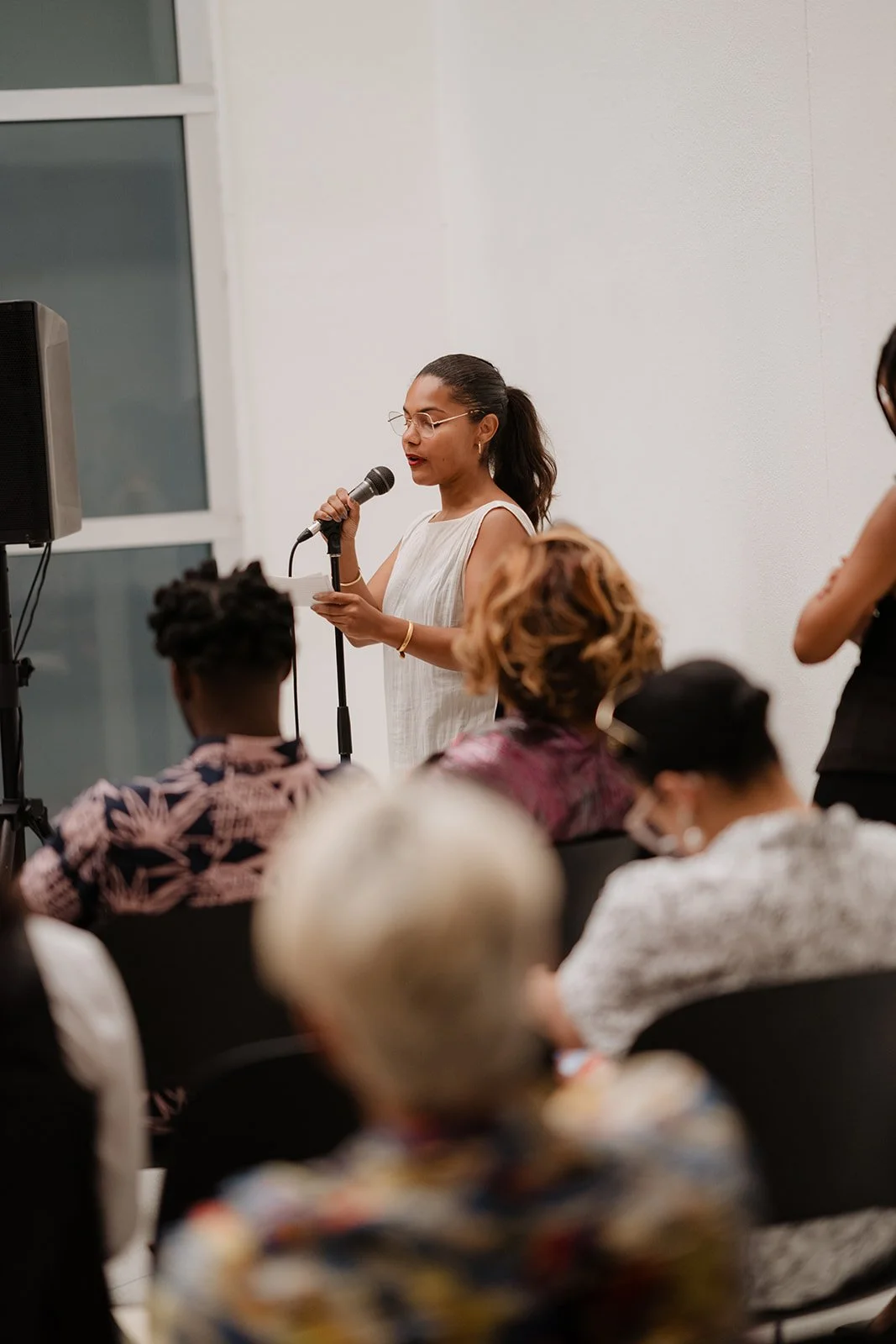
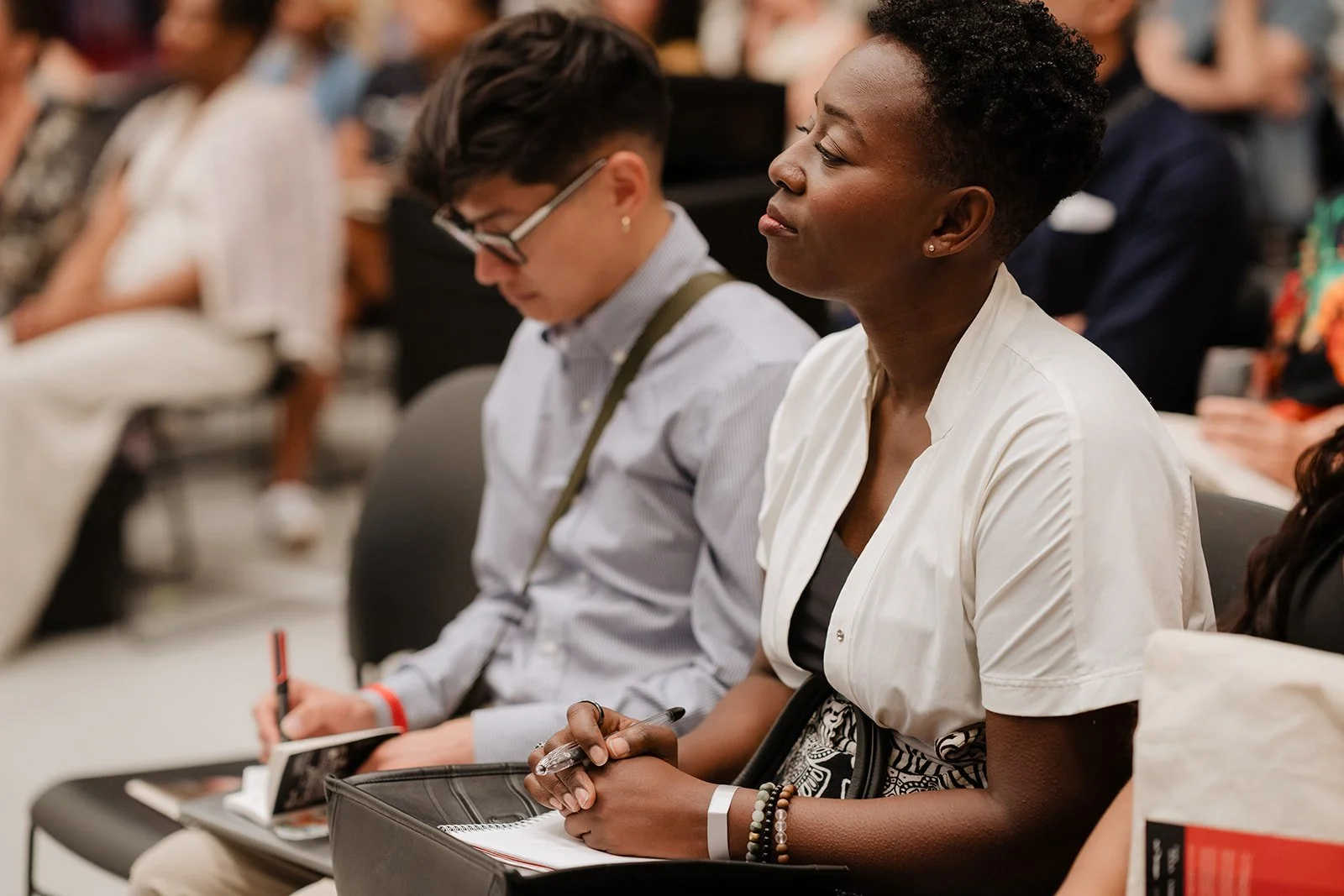
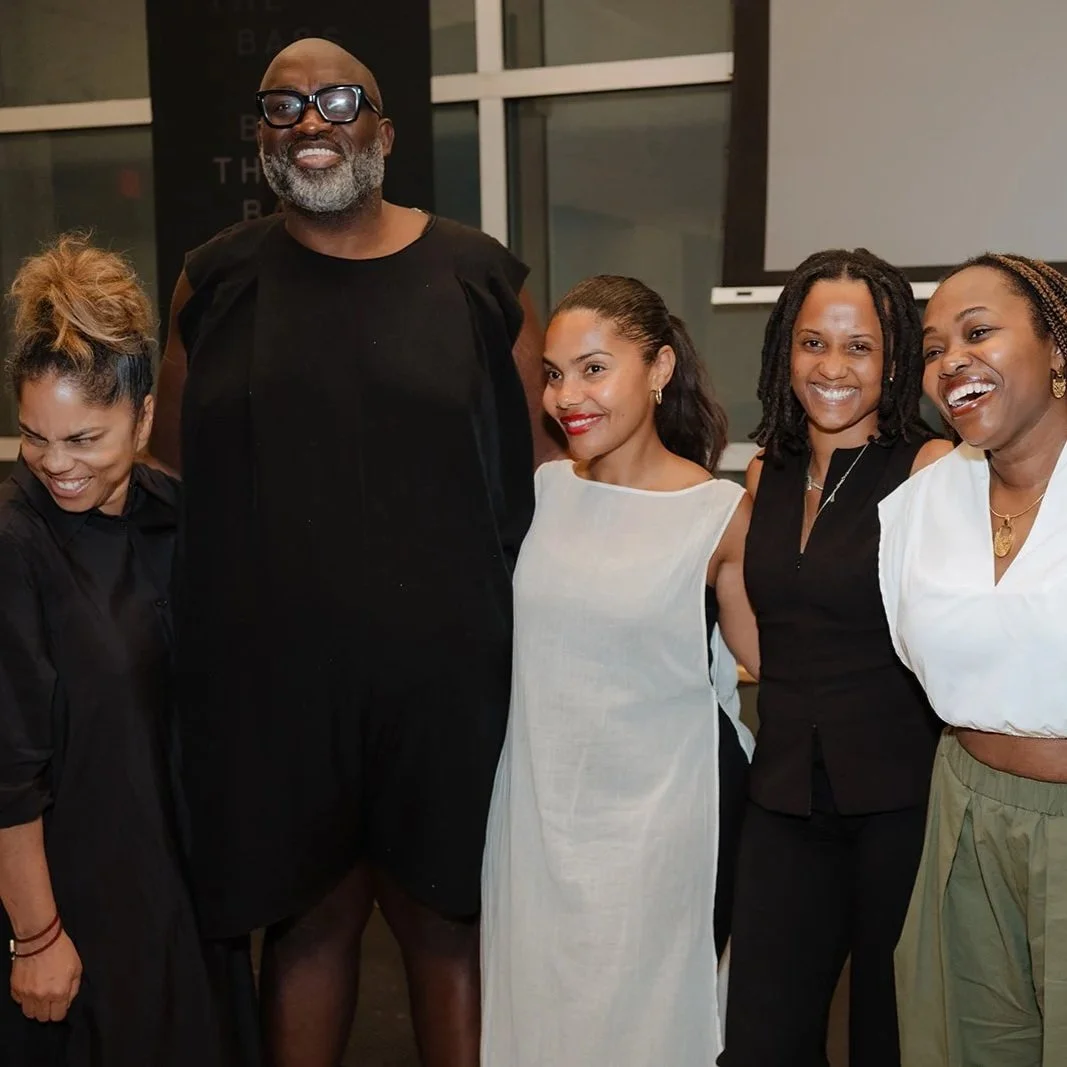
Bringing urgent questions around stewardship, memory, and erasure into the present, the experience shifted from performance to panel conversation inside the museum. In a full house of locals, creatives, arts workers, and supporters, we explored how contemporary society cares for cultural narratives.
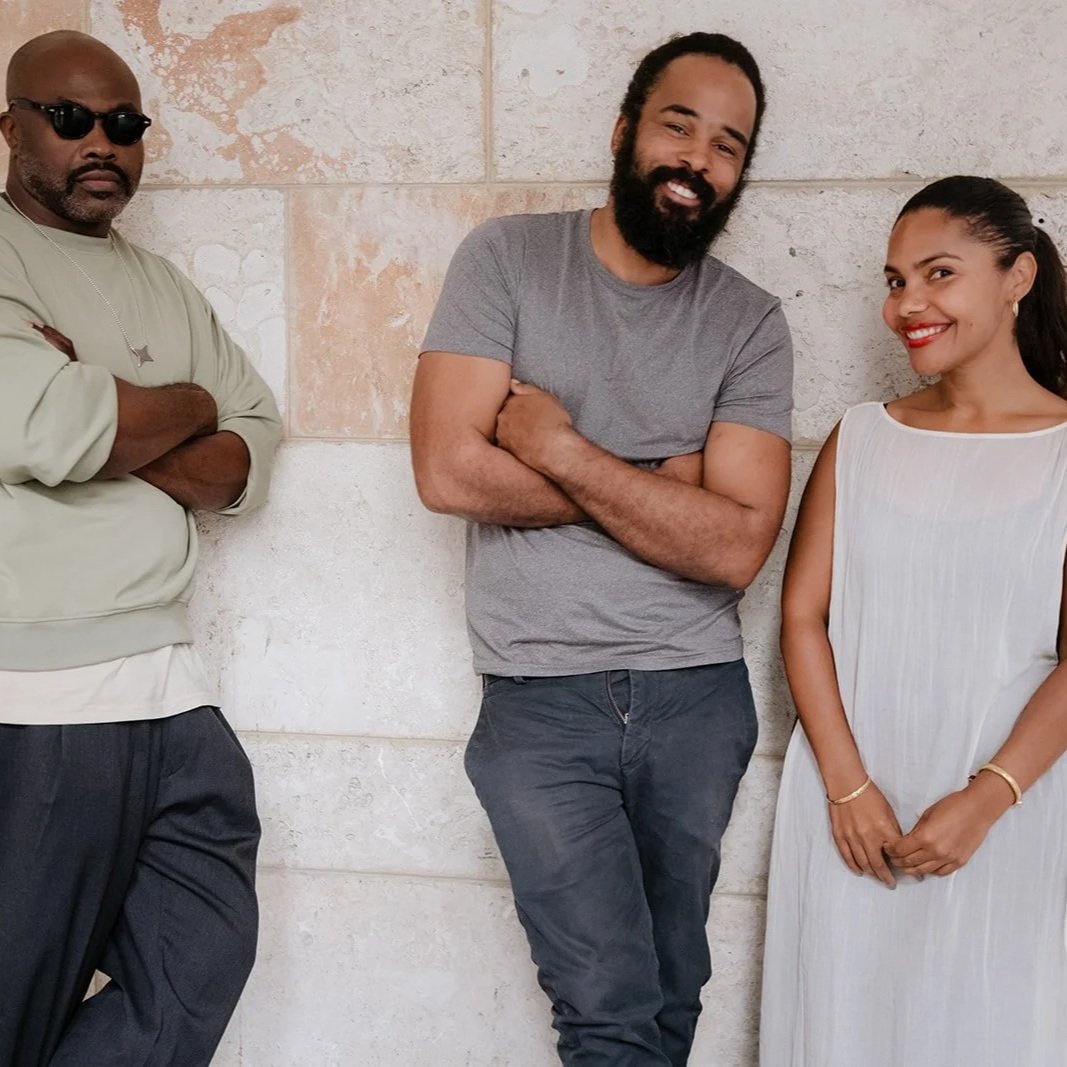
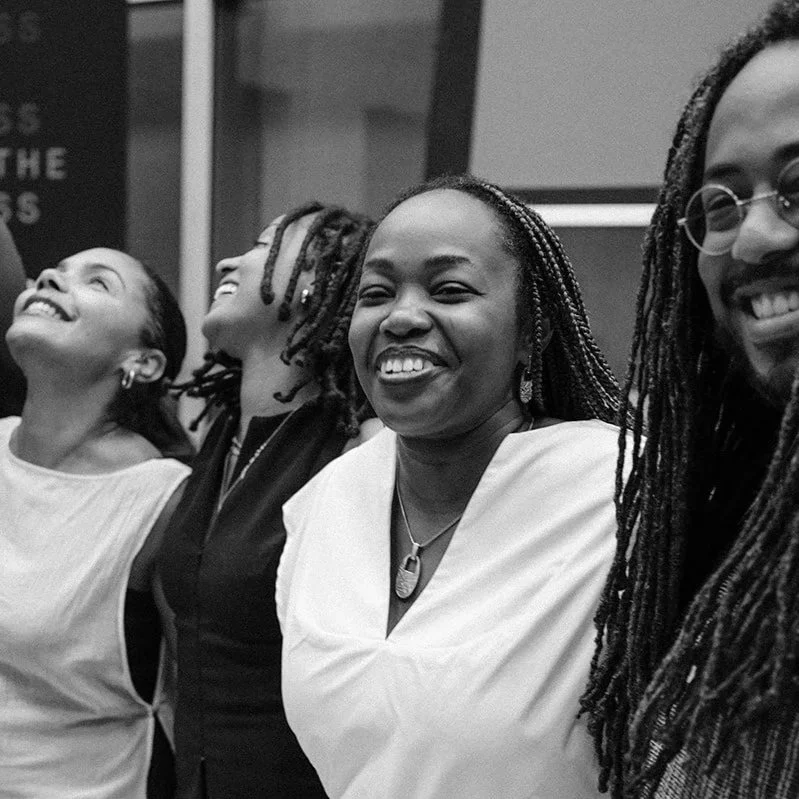
Alongside photographer and scholar Vanessa Charlot, filmmaker Jason Fitzroy Jeffers, and writer Lise Ragbir, moderator Corey Davis interrogated how institutions, including museums, are tasked with preserving collective memory, and where perspectives have been erased or overlooked within their own professional and personal environments. As the conversation unfolded, we found shared language with the protagonists in Julien’s film and, by extension, the site-specific performances by Grass Stains artists and guides.
Reframed, the vagabond emerged as strategy: a fluid approach to engineering escape routes from dominant systems; a state that makes room for self-determination, self-actualization, and rest; a place beyond the binary.
With gratitude
This 2026 Grass Stains cycle by Pioneer Winter Collective was supported by The Andrew W. Mellon Foundation, Jorge M. Pérez Family Foundation, and the Miami-Dade County Department of Cultural Affairs, the Cultural Affairs Council, and the Miami-Dade County Mayor and Board of County Commissioners.
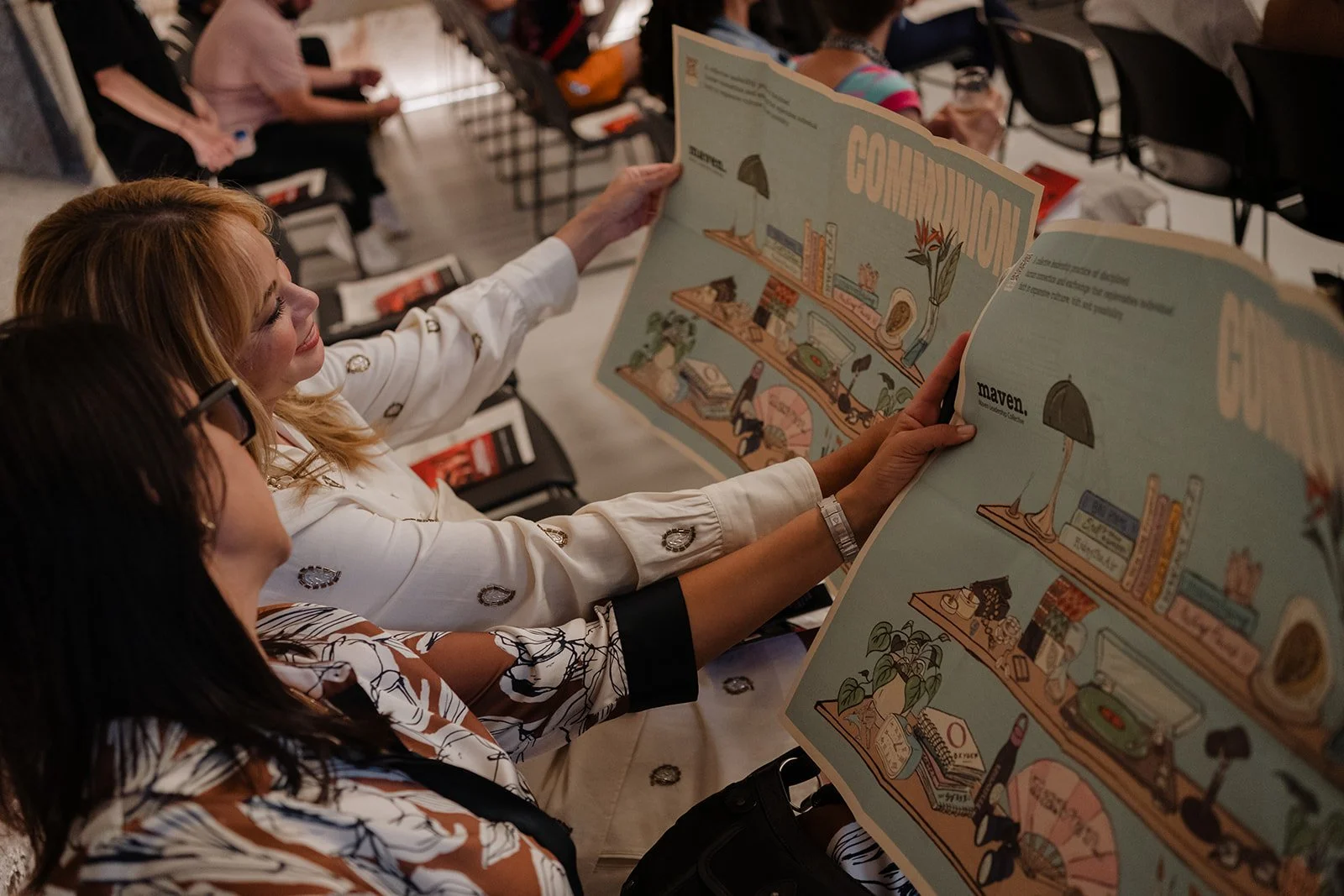
A special thank you for the vision-dreaming and creative support of Maven Leadership Collective, an ideas lab that cultivates ecosystems of support for queer and trans innovators and creatives of color and allies.
Searching for Collective Memory was curated by Commissioner and made possible through the generous support of the Art Bridges Foundation Access for All Program with The Bass, alongside community love from Frolic Culture/Black Miami Weekend.
Deepest gratitude to The Bass Museum of Art and their incredible team for opening their doors and creating opportunities for this collaboration.
Photography by Chantal Lawrie and video by Alexa Caravia.